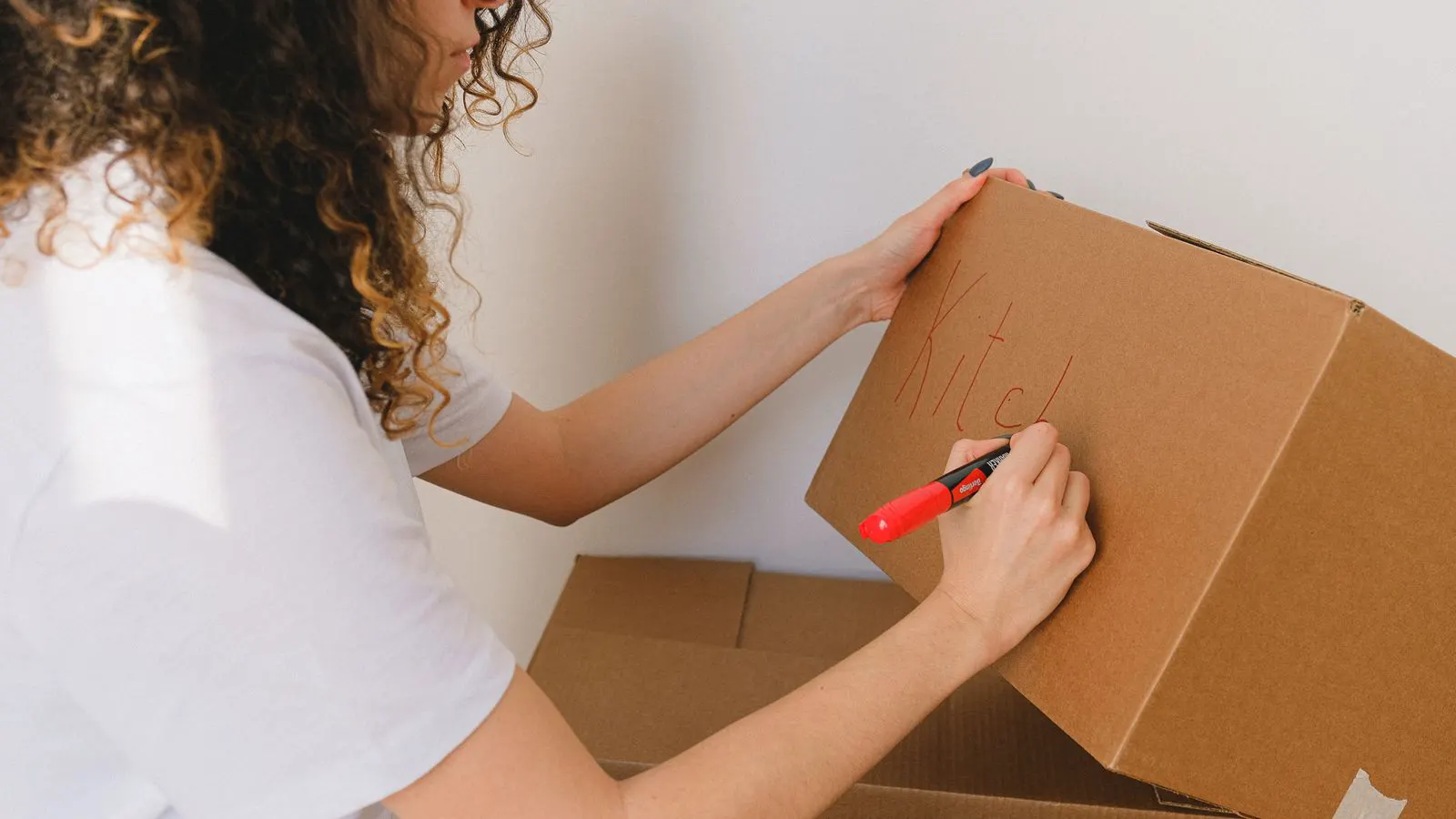
Printing & Finishing
Cost and Lead Time for Water-Based Ink Printing
Water-based ink printing adds a small cost premium compared with solvent inks but reduces cleanup and waste. Lead time is usually similar, but substrate prep and drying
Understand printing methods, ink types, and finishing options like lamination and coatings for durable branding.
Water-based ink printing adds a small cost premium compared with solvent inks but reduces cleanup and waste. Lead time is usually similar, but substrate prep and drying
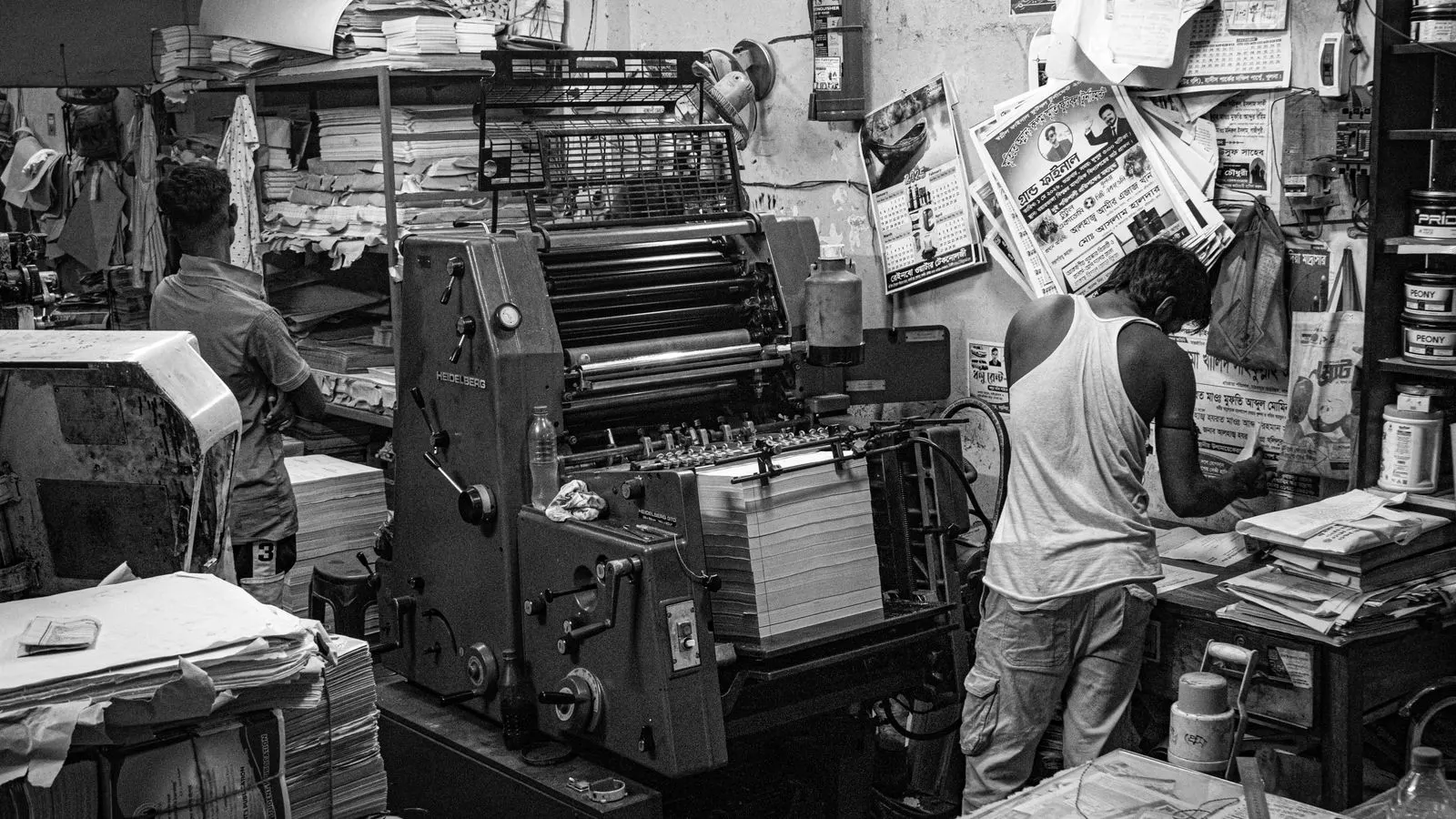
Selecting a reliable packaging printing vendor requires a structured evaluation of equipment, material compatibility, quality control, and communication. This guide
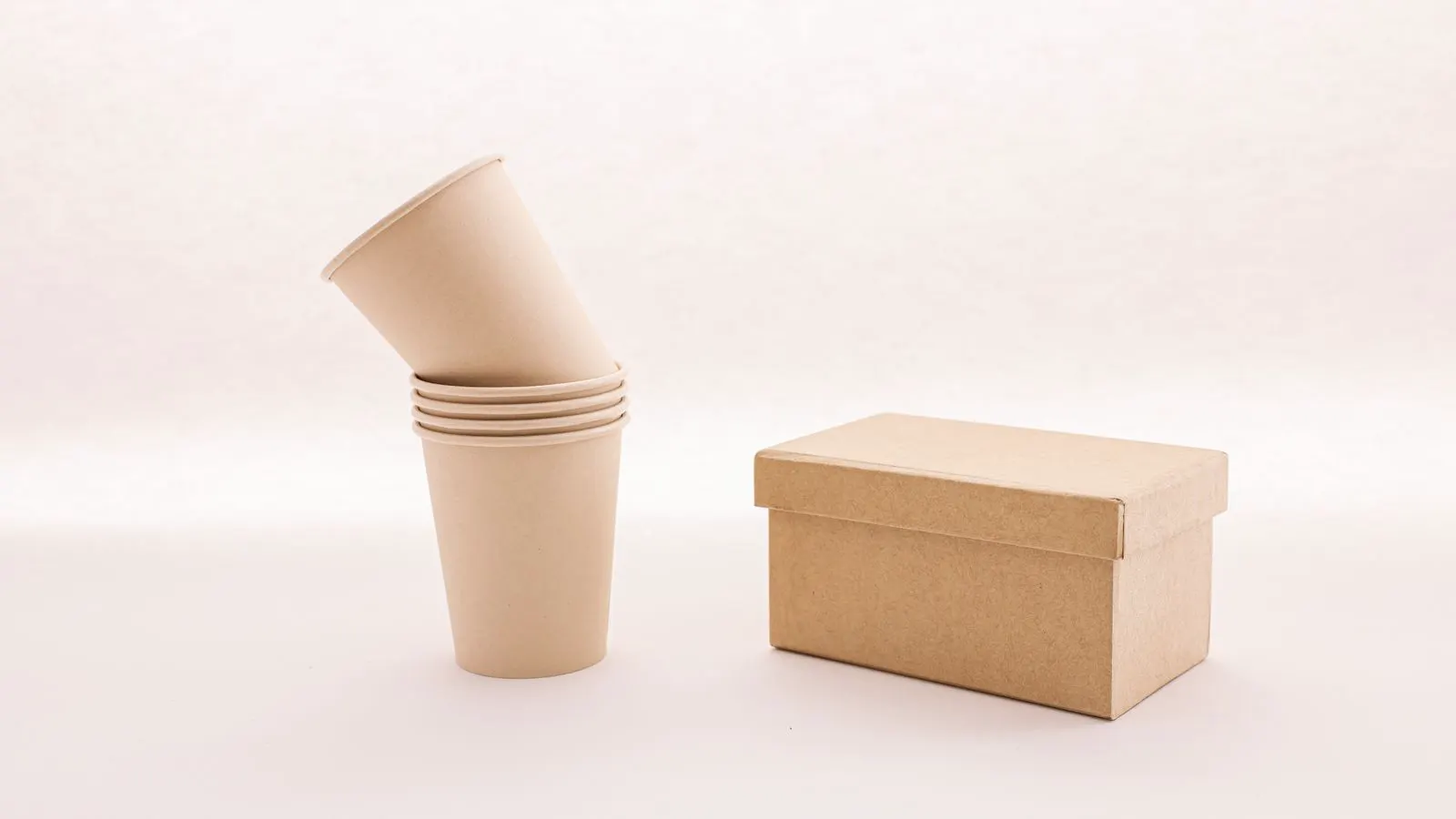
Buyers should plan for shifts in sustainable finishing options by reviewing material compatibility, sourcing, and performance standards. This guide outlines five key
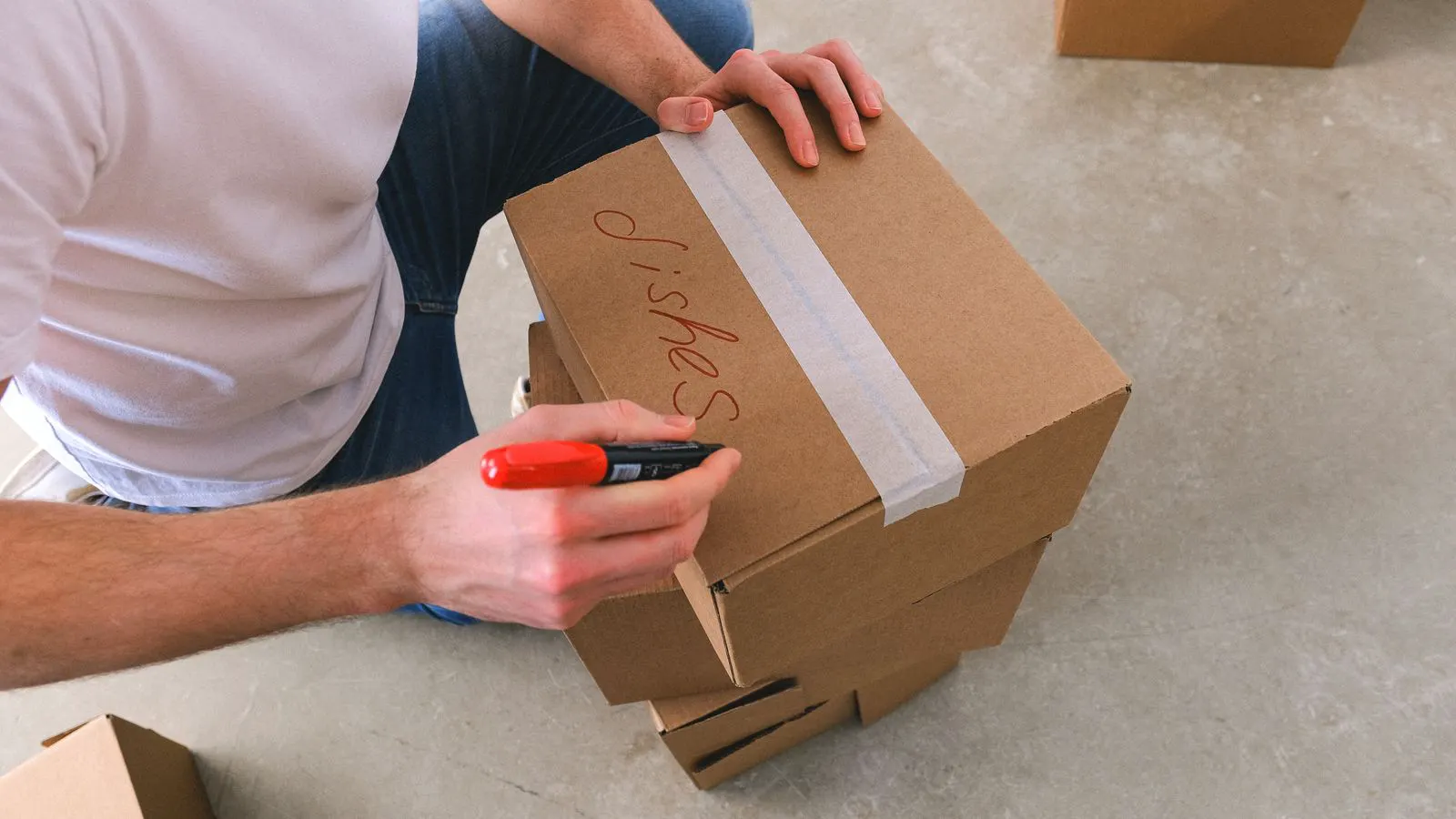
Matte and gloss coatings serve different brand and functional goals. Gloss provides high contrast and visual pop, while matte offers a premium, tactile feel and better
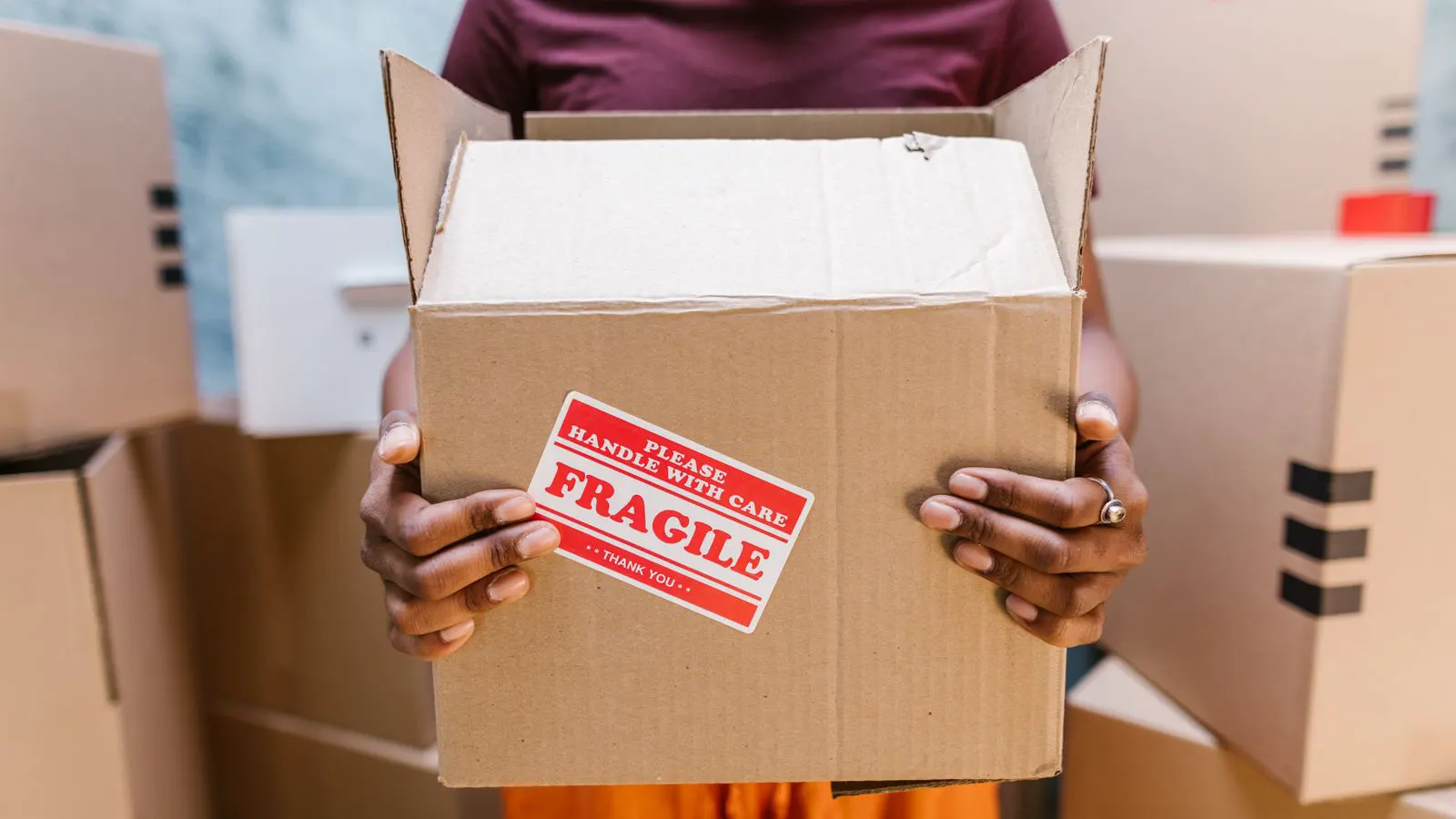
Lamination applies a thin plastic film to corrugated cardboard, creating a durable moisture barrier. This finishing option protects the board from water and humidity. It
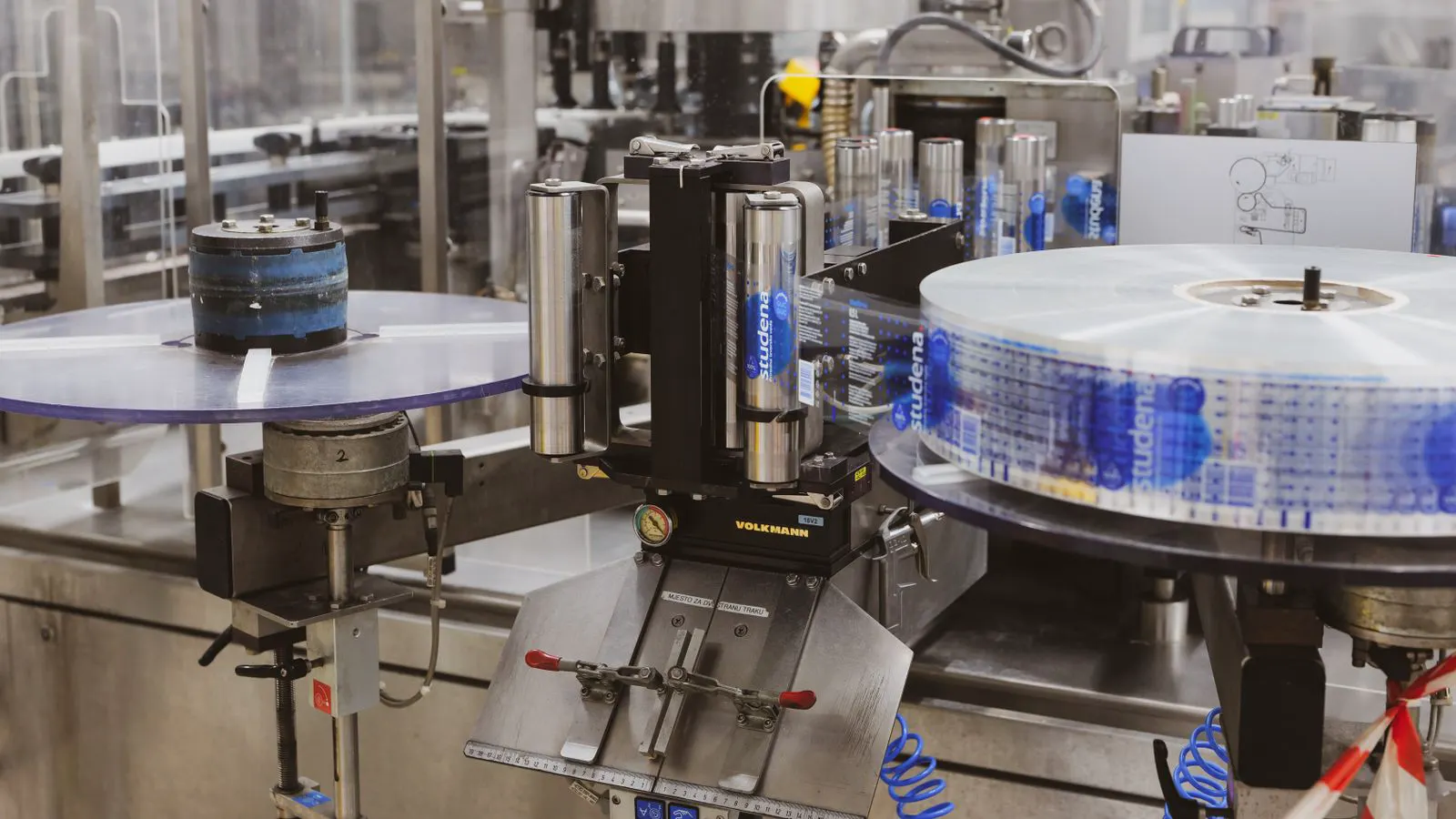
Digital printing reduces setup time and minimum quantities but costs more per unit. Offset printing lowers unit costs at scale but requires longer production lead time.
Blotchy ink on corrugated packaging usually stems from substrate moisture, misaligned ink heads, or inadequate drying. This guide lists common symptoms, likely causes

Engineers can verify ink compatibility and sustainability compliance using a structured audit checklist. This guide provides specific criteria for checking substrate
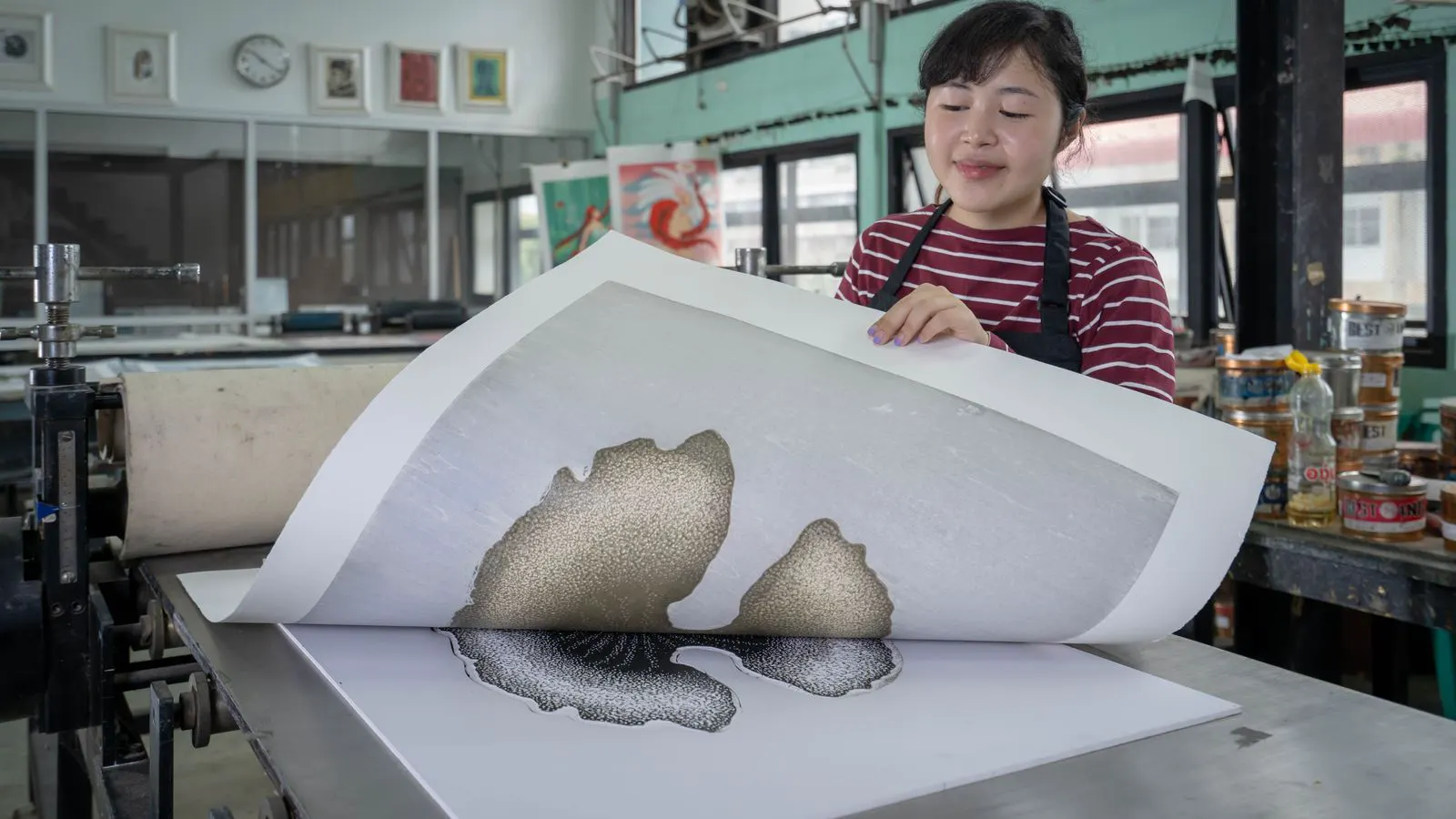
Choose offset printing for high-volume runs with fine detail and consistent color. Choose screen printing for low-volume runs, thick inks, or textured surfaces. Match