Selecting a reliable packaging printing vendor requires a structured evaluation of equipment, material compatibility, quality control, and communication. This guide outlines the key criteria importers should use to compare printing suppliers and reduce the risk of production delays or brand damage.
- Define print quality and turnaround requirements before contacting vendors to narrow the field.
- Verify material compatibility, as ink adhesion varies significantly by board type and coating.
- Require physical proofing and sample runs to test color accuracy and durability.
- Evaluate vendor communication and documentation practices to ensure smooth logistics.
- Check vendor capacity and backup resources to protect against supply chain disruptions.
Define Your Printing Requirements Before Contacting Vendors
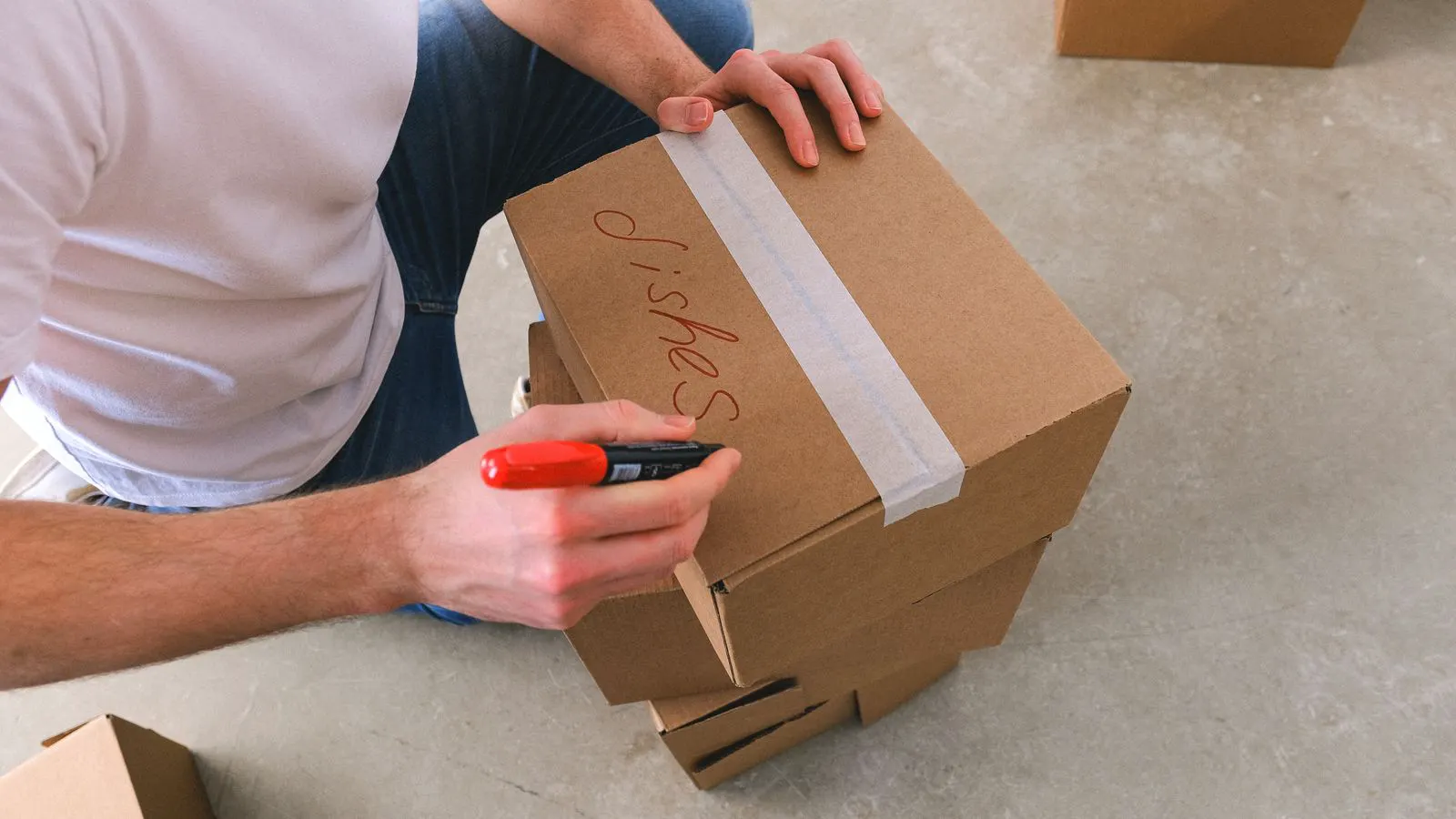
Importers often contact packaging printing suppliers with a finished design and expect a quote. That approach creates gaps. Vendors need clear specifications to price work accurately and recommend the right press type. Before sending inquiries, document the box dimensions, board grade, and required print quality.
Determine whether the design is a single color or full color. Single color work suits simple logistics labels or brand marks. Full color printing supports complex branding and retail shelf display. Specify the number of printed faces. A box with graphics on all six sides costs more than one printed on two sides.
Set a target lead time. Importers working with seasonal campaigns or tight port windows need vendors who can meet short turnaround. State whether you require digital or offset printing. Digital printing handles low quantities and rapid changes. Offset printing suits larger runs with consistent color.
Prepare a document list. Include die cuts, fold lines, and bleed areas. Send files in the format the vendor accepts. Ask for a print-ready checklist. This document prevents rework and saves time during production.
Evaluate Printing Methods and Equipment
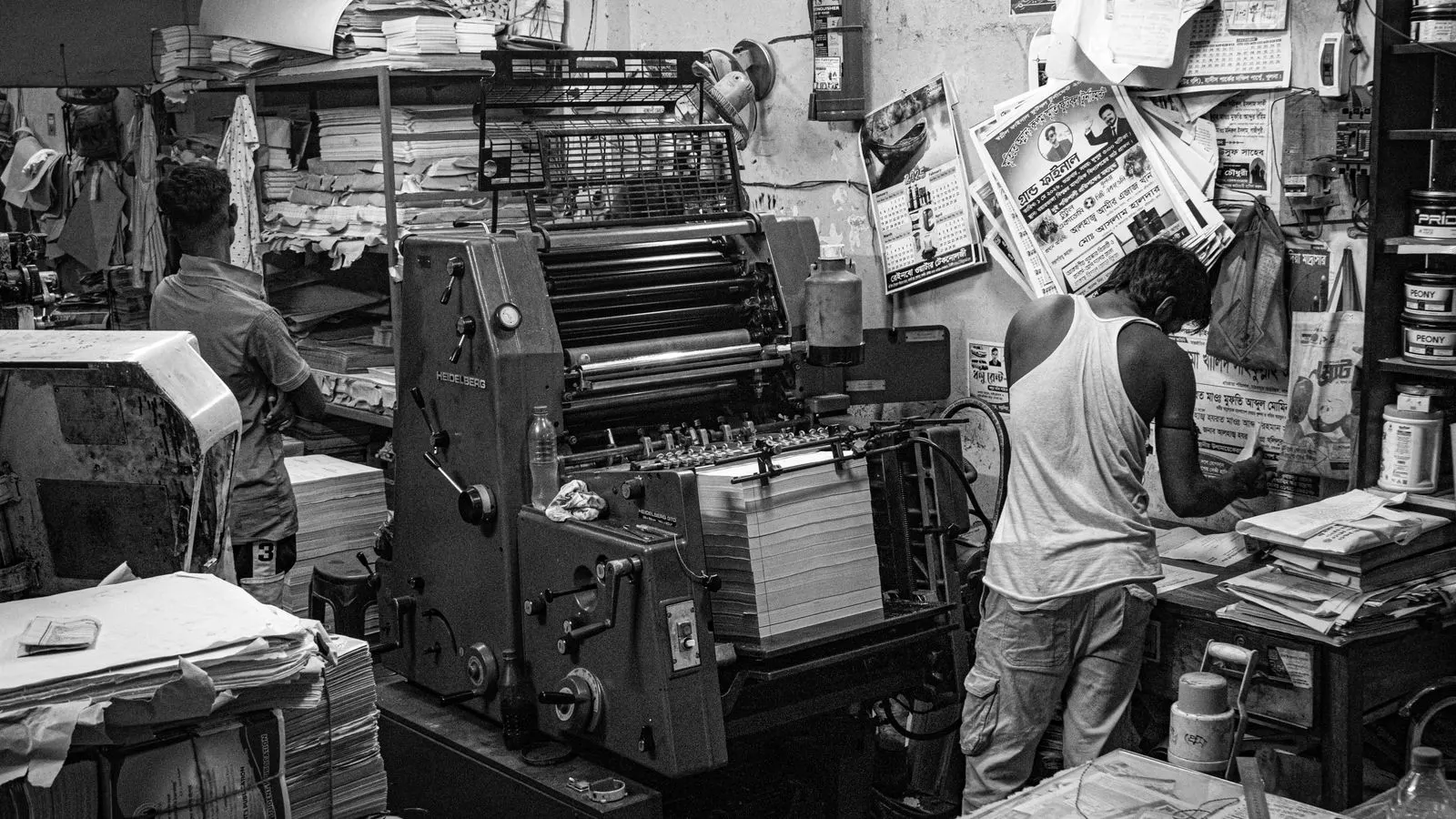
Packaging printing methods differ in setup, cost, and quality. Ask each vendor which equipment they use for your specific requirements. Equipment capability determines the final result.
Digital Presses
Digital presses are fast to set up. They handle short runs without high initial costs. Inkjet technology works well for short runs and variable data. Ask about the maximum board thickness the press accepts. Corrugated boards vary in thickness. A press that handles thin boards may struggle with heavy double-wall board.
Offset Presses
Offset presses use separate plates for each color. They produce sharp, consistent color for long runs. Setup takes longer. Vendors using offset should be able to explain their plate making process. Ask about the number of color stations available. More stations allow for more colors or special inks.
Flexo and Screen
Flexo printing uses flexible rubber plates. It is common for corrugated packaging. It handles thick substrates well. Screen printing is used for small runs or specific effects. Ask which method the vendor prefers for your board grade.
Check equipment age and maintenance records. Newer equipment often has better color consistency. Ask about their calibration process. Vendors should print test strips before running production. This catches color drift early.
Assess Material Compatibility and Ink Selection
Corrugated packaging is a porous substrate. Ink behavior depends on the board type. Vendors must understand how different inks interact with corrugated board.
Ask about ink types. Water-based inks are common for food safety and sustainability. Solvent-based inks offer strong adhesion on certain boards. Ask about the specific ink formulation they use.
Check adhesion performance. Corrugated board can wick ink into the flutes. This causes color loss. Vendors should recommend a primer or sealer for some board grades. Ask if their process includes a coating or varnish.
Request a material compatibility list. A good vendor will match ink types to board grades. They will flag potential issues before production. This knowledge separates experienced suppliers from generalist printers.
Review Quality Control and Proofing Processes
Quality control determines whether the printed boxes meet brand standards. Vendors should have a documented check process.
Ask about their proofing method. Digital proofs are fast but not accurate for color. Physical proofs are more reliable. Vendors should offer a physical proof on the actual board. This shows how the ink sits on the corrugated surface.
Check their inspection points. Vendors should inspect at three stages: after proofing, during production, and before packing. Ask about their acceptance criteria. What is the tolerance for color difference? What is the limit for ink bleed or misalignment?
Request a sample run. Print a small quantity first. Test the boxes in your warehouse. Check for ink transfer, durability, and color consistency. This test reveals issues that a static proof cannot show.
Compare Vendor Selection Criteria
Use a structured table to compare vendors. This reduces bias and focuses on measurable factors.
| Criterion | What to look for | Why it matters |
|---|---|---|
| Equipment capability | Press type, board thickness limits, color stations | Matches your design and box specifications |
| Material compatibility | Ink types, primers, coating options | Prevents ink failure on specific board grades |
| Proofing process | Physical proofs, sample runs, calibration | Ensures color accuracy and adhesion before full run |
| Lead time and capacity | Production speed, backup resources, scheduling | Protects against delays and supply chain risks |
| Communication | Response time, documentation, language | Reduces errors and clarifies expectations |
Check Logistics, Communication, and Reliability
Packaging printing is a service business. The vendor’s workflow matters as much as the press.
Evaluate communication. Respond quickly and clearly. They should send a written confirmation of your specifications. Ask about their point of contact. A single dedicated contact reduces confusion.
Check their logistics support. Do they handle packaging and shipping? Ask about their packaging standards. Corrugated boxes are fragile. Vendors should use proper packaging to prevent damage in transit.
Ask about their backup plan. What happens if a press breaks down? Do they have a secondary vendor? Vendors with a backup plan can meet tight deadlines. This reliability is critical for importers working with strict schedules.
Review their documentation. Good vendors provide a print certificate or a quality report. This document confirms the run met your specifications. It helps with customs clearance and internal audits.
Build a Long-Term Vendor Relationship
Selecting a packaging printing vendor is not a one-time transaction. The best vendors become partners.
Start with a small run. This tests their process without major risk. Evaluate the results. Check the quality, the lead time, and the communication.
If the first run goes well, increase the order size. Provide feedback. Tell them what worked and what needs improvement. A good vendor will adjust their process.
Keep a list of backup vendors. Do not rely on a single supplier. Having alternatives protects you from capacity issues. Update your vendor list annually. Check for new equipment or new capabilities.
Decision Checklist
Use this checklist before finalizing your vendor selection.
- Confirm the vendor can print on your specific board grade.
- Verify the ink type meets your food safety or sustainability requirements.
- Request a physical proof on the actual corrugated board.
- Check the vendor’s lead time against your production schedule.
- Review their quality control process and inspection points.
- Evaluate their communication speed and clarity.
- Confirm their logistics and packaging standards.
- Check their backup capacity and equipment.
- Review their documentation and reporting practices.
- Agree on a small test run before committing to a large order.
Frequently asked questions
What is the best printing method for corrugated packaging?
There is no single best method. Digital printing suits short runs and rapid changes. Offset printing suits long runs with consistent color. Choose based on your quantity and design complexity.
How do I ensure ink adhesion on corrugated board?
Ask the vendor about their primer or coating process. Corrugated board is porous. Some inks require a sealer to prevent wicking into the flutes. Request a sample run to test adhesion.
Can I use the same vendor for digital and offset printing?
Yes, many vendors offer both. This allows flexibility. You can use digital for small runs and offset for large runs. Ask about their equipment and setup times for each method.
What documents should I send to a packaging printing vendor?
Send your design files in the correct format. Include die cuts and fold lines. Ask for a print-ready checklist to ensure your files meet their specifications. This prevents rework.
How do I evaluate a vendor's quality control process?
Ask about their inspection points. They should check after proofing, during production, and before packing. Request a quality report or print certificate for each run. This confirms the work meets your standards.