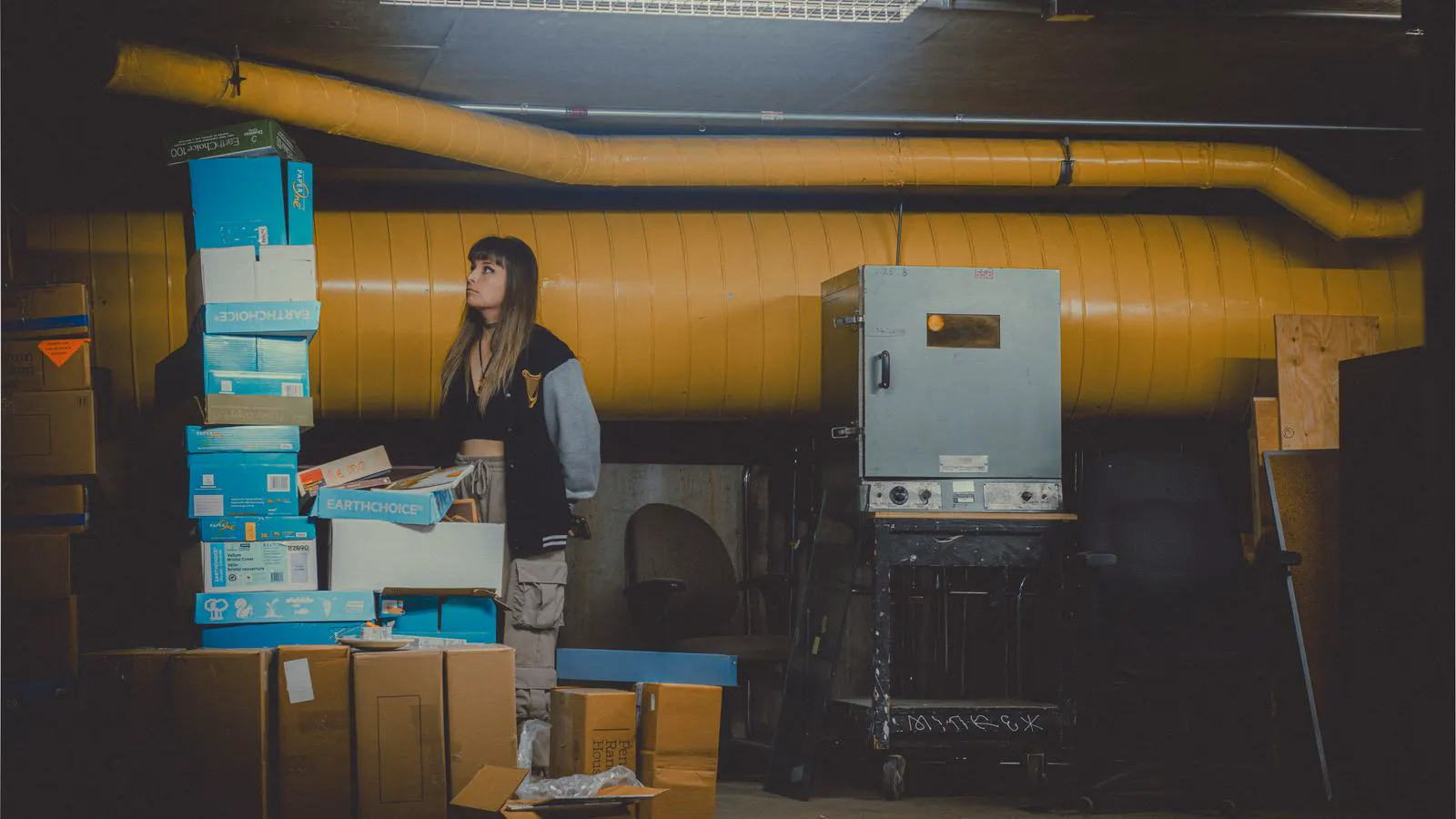
Boxes & Cartons
Best Box Types for Heavy Freight
The best box types for heavy freight rely on double wall corrugated construction, reinforced corners, and high compressive strength. These features protect dense loads
Practical corrugated packaging knowledge for informed sourcing decisions
Buying corrugated packaging is a technical decision. You need to match flute type, board grade, and structural dimensions to the product, the carrier, and the warehouse. This site explains how those choices interact so you can specify boxes that perform in the supply chain.
The content covers the full buying process. You will find clear explanations of construction, printing methods, and quality checks. It also explains how sustainability requirements and cost factors affect your final specification. The goal is to help you ask the right questions when reviewing quotes or evaluating samples.
Start with the stage of the sourcing process you are in.
Explore box types, construction methods, and structural options for different shipping needs and product protection.
Understand printing methods, ink types, and finishing options like lamination and coatings for durable branding.
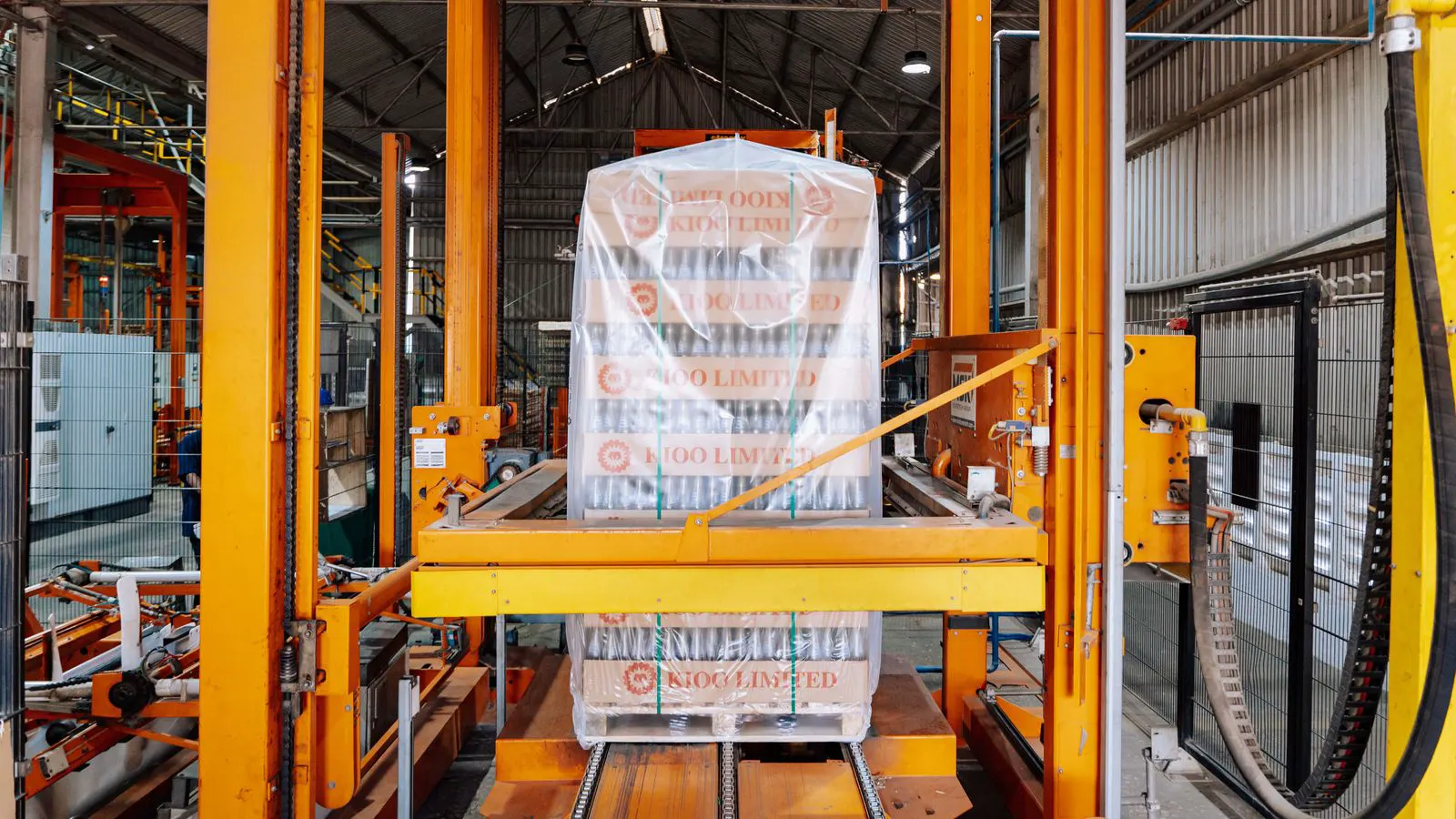
Review design principles, stacking loads, and testing standards to engineer packaging that protects products in transit.
The best box types for heavy freight rely on double wall corrugated construction, reinforced corners, and high compressive strength. These features protect dense loads
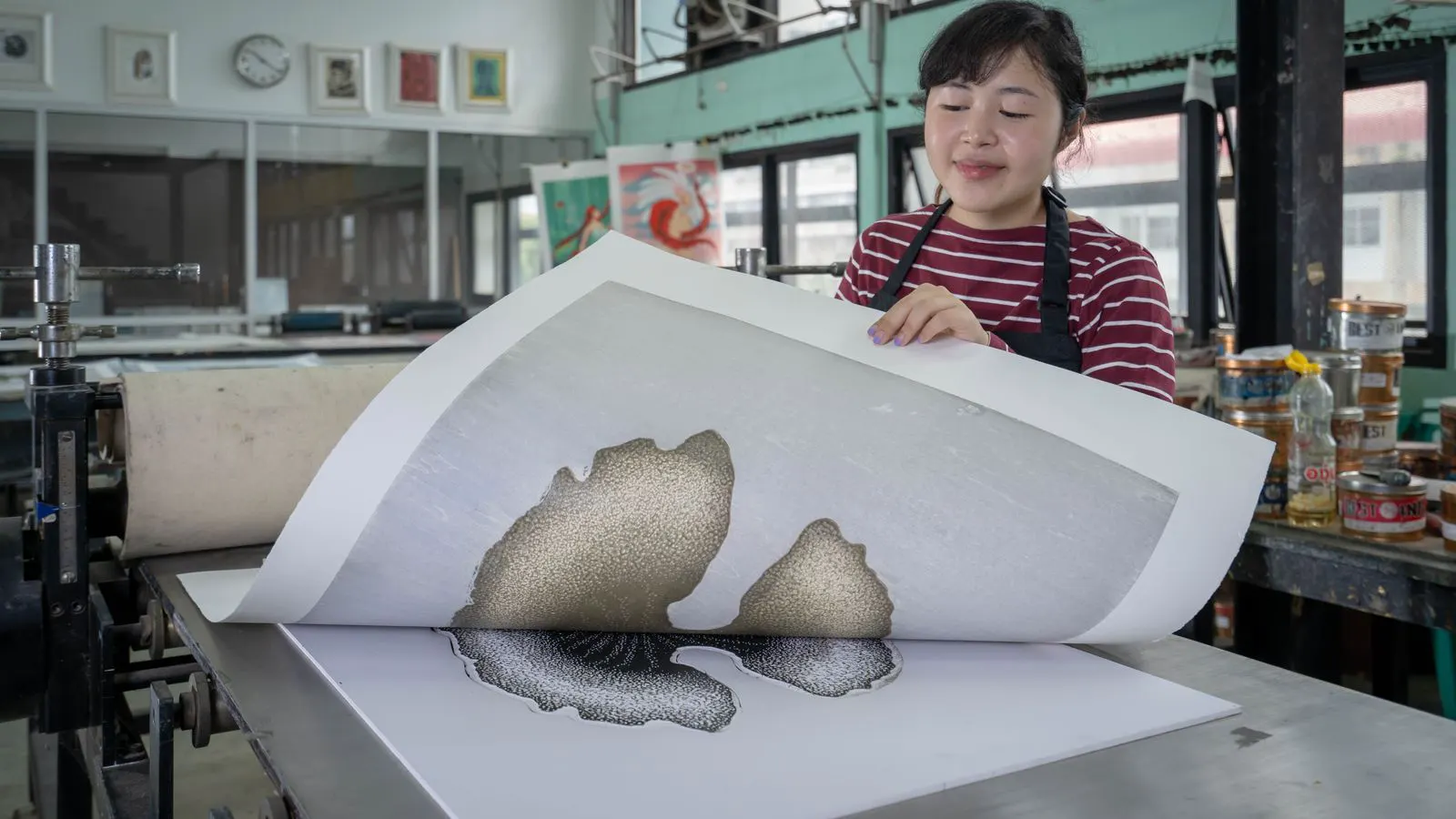
Choose offset printing for high-volume runs with fine detail and consistent color. Choose screen printing for low-volume runs, thick inks, or textured surfaces. Match
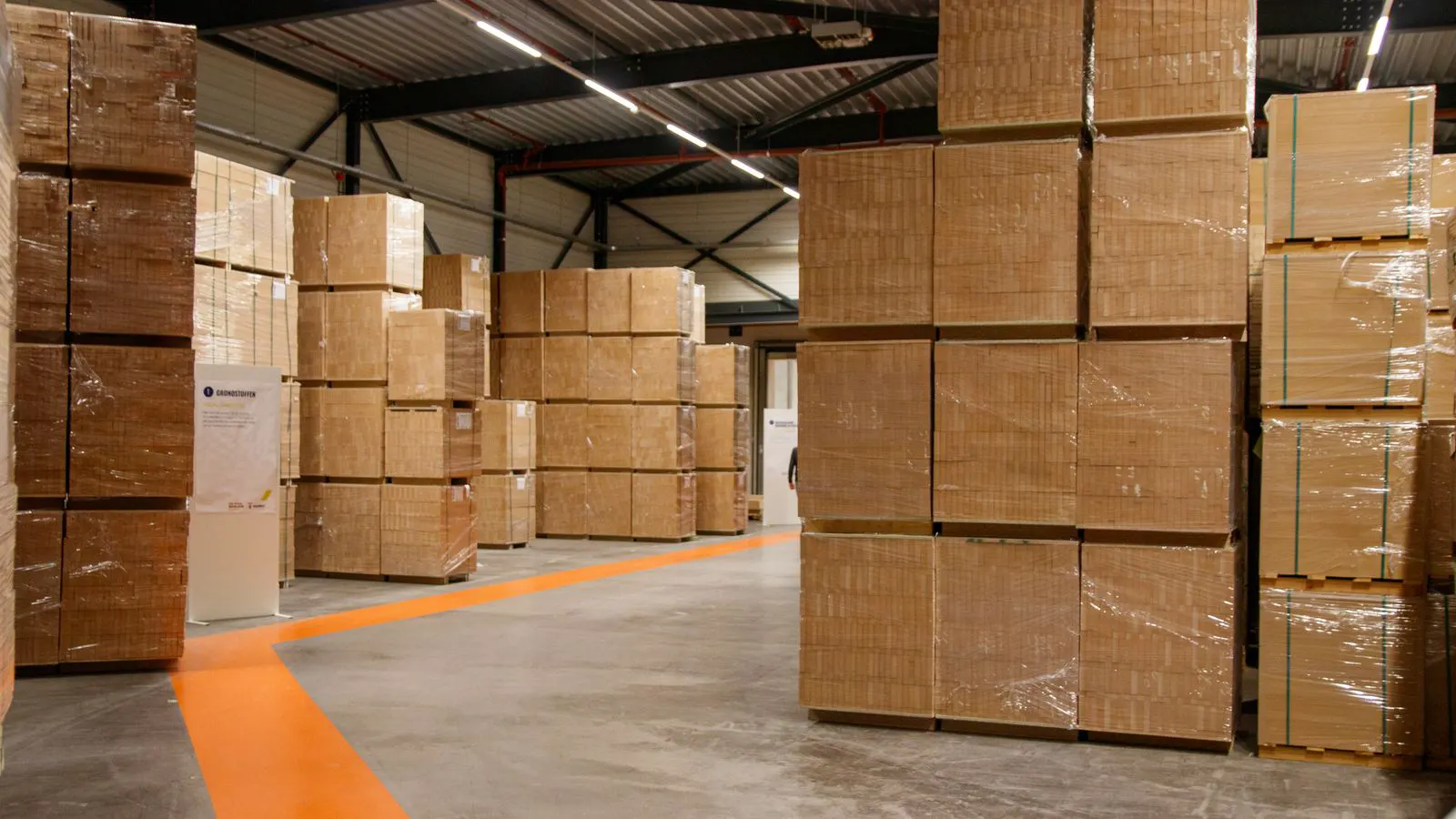
To calculate stacking load, identify box dimensions, select a test duration, and apply the appropriate structural design factors. Use the formula W = (A x P) / SF, where
Single-wall board uses one fluted core layer, while double-wall uses two. Single-wall is lighter and cheaper for standard retail boxes. Double-wall offers higher stacking strength and better cushioning for heavy or fragile goods.
Match the flute to the weight and handling method. Thinner flutes like E or B are good for small packages with less stacking load. Thicker flutes like A or G provide more cushioning and crush resistance for larger boxes or longer supply chains.
Check color accuracy, registration, and ink coverage. Also inspect for die-cutting accuracy, seam strength, and edge quality. Request sample approvals before production to ensure the final run meets your brand and structural requirements.
Sustainability considerations include board source, recycled content, and recyclability. Using fewer layers and optimizing box size can reduce material waste. Check if your supplier can provide documentation on board sourcing and environmental compliance.
Lead times vary by complexity and volume. Simple single-wall boxes may be faster to produce. Custom double-wall boxes with intricate printing and special finishes take longer. Always confirm lead times in writing, especially for peak seasons.
Look at their technical capability, quality control processes, and communication. Request samples of previous work. Check if they can handle your specific weight, printing, and finishing requirements. Ask about their capacity and reliability during high-demand periods.