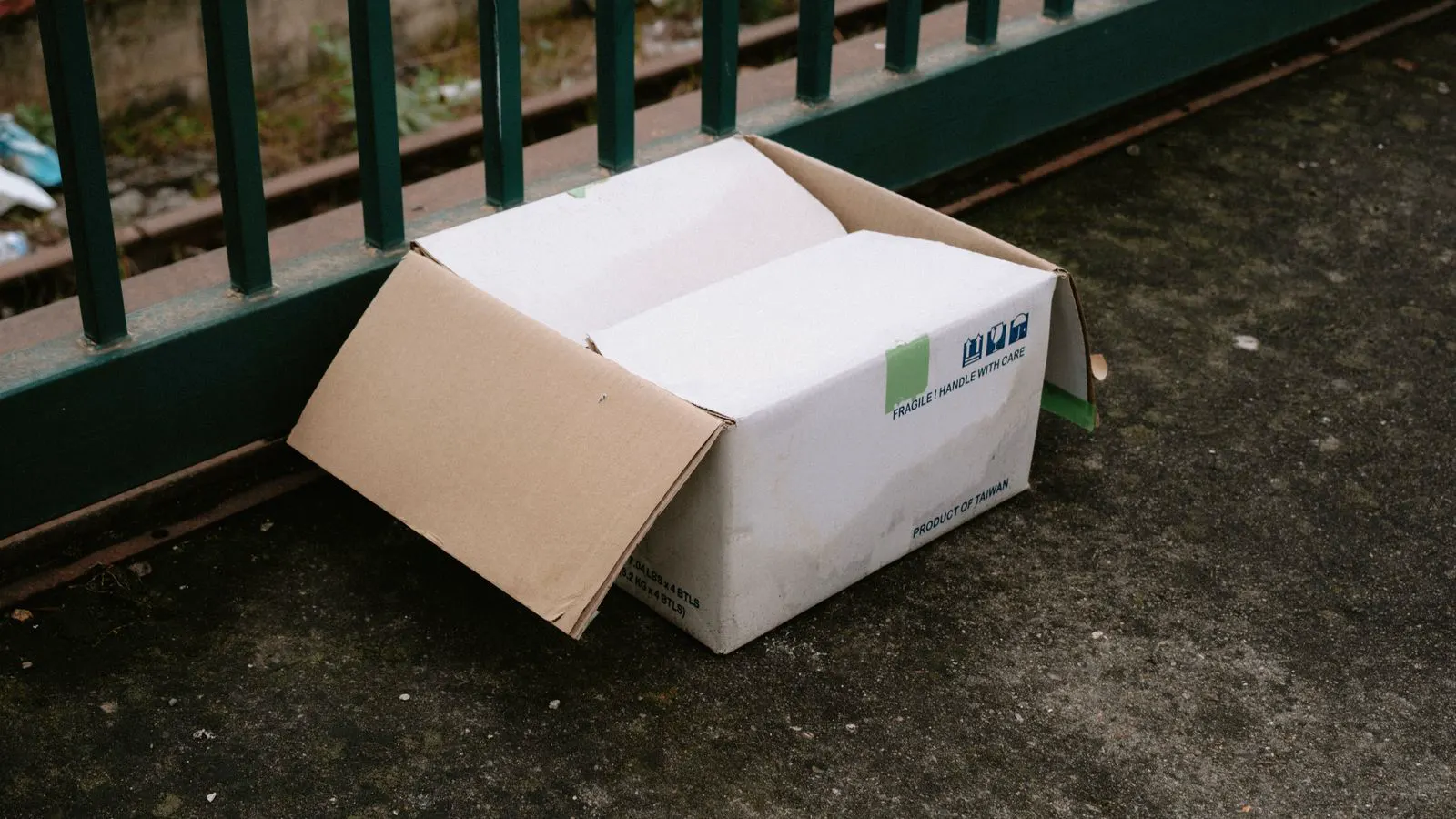
Lightweight corrugated structural design is shifting toward thinner flutes, optimized wall thicknesses, and digital modeling. Buyers should plan for tighter spec sheets, earlier engineering involvement, and standardized test protocols to maintain strength while reducing material and transport costs.
- Plan packaging design around specific load paths, not just base flute thickness.
- Involve packaging engineering at the concept stage to align material, geometry, and testing.
- Use digital models to compare wall thickness options before committing to production.
- Keep test protocols consistent so lighter boxes meet the same failure thresholds.
- Revisit flute and board combinations when weight targets tighten.
Why lighter boxes are becoming a default requirement
Lightweight corrugated structural design is no longer a cost-saving exercise. It is shaping how buyers specify boxes, how carriers calculate weight, and how warehouses handle mixed pallets. The same box that worked fine on a domestic lane may now be questioned when freight rules, pallet limits, or last-mile handling change.
The shift is practical. A lighter box moves faster through a facility, uses less pallet space, and reduces the load on forklifts. It also changes the way structural design is approached. Engineers no longer ask, can this box survive a drop? They ask how much strength is needed, where that strength must sit, and what can be removed without creating a weak point.
Buyers should expect this to continue. The goal is not a thinner box for its own sake. It is a box that does its job with less material.
What changes in the box when weight is reduced
Weight reduction in corrugated packaging comes from several places. Thinner board, smaller flutes, reduced wall count, and smarter panel geometry all contribute. Each change affects the box in different ways.
A smaller flute reduces board weight but can lower edge crush and stacking resistance. A thinner liner or medium board can reduce cost but may change crush behavior. Removing a middle wall turns a triple wall box into a double wall box, which can be a major drop in strength unless the remaining wall is upgraded.
The result is that packaging design becomes more specific. A box for a heavy appliance is not the same as a box for a lightweight consumer product. The engineering focus moves from generic ratings to load-based selection.
How structural design is being rethought
Traditional structural design often started with a box size and a flute. The new approach starts with the load. Where does the box sit? Is it on a pallet corner? Is it stacked under a heavy pallet? Will it be compressed by a forklift? Will it be handled in a humid environment?
This is where packaging engineering matters most. The box is not just a container. It is a compression member, a shear member, and a drop container all at once. Designers now model these forces separately. A box may need high edge crush strength for stacking but only moderate drop performance for a short drop test.
This separation lets engineers remove unnecessary strength. If a box only needs to survive a short drop and light stacking, it does not need the strength of a box that will be stacked on a pallet for a month in a warehouse.
What buyers should look for in a new packaging design
When a supplier proposes a lighter box, do not accept the claim. Ask for the basis. What test was used? What load was applied? What was the failure mode? What was the safety factor?
A good supplier will provide a simple comparison. The current box and the proposed box, with board grade, flute, wall count, and test result. If the supplier cannot show the numbers, the claim is not useful.
Buyers should also ask how the box performs in a real environment. A box that passes a dry, room-temperature test may not perform the same way in a humid loading dock. Ask how the design accounts for moisture, temperature, and handling.
How to prepare your team for lighter structural packaging
Preparation starts before a new box is ordered. Review the way you specify boxes. If your current spec sheet only lists size, flute, and board grade, it is too basic for lightweight structural design.
Add load conditions. State the maximum stack height. State the expected compression force. State the drop height and surface. State the transport environment if it is known. These details let the supplier design a box that meets the job, not a generic standard.
Involve your packaging engineering team early. If you do not have an in-house team, use a supplier with engineering support. Ask them to model the box before it is produced. A digital model can show where the box is over-designed and where it is likely to fail.
Where testing fits into the new workflow
Testing is not a final check. It is part of the design process. A box that passes a crush test but fails a vibration test is not a complete answer. A box that passes a drop test but fails a stacking test is not ready for a pallet.
Buyers should agree on a test plan before production. Use the same test method every time. Use the same sample size and location. Use the same failure criteria. If the test plan changes, the result is not comparable.
The most useful test is the one that matches the real failure. If boxes are failing on the pallet edge, test edge crush. If boxes are failing in the last-mile van, test drop and vibration. If boxes are failing after a long sea freight, test compression and moisture effects.
How to compare suppliers on lightweight structural design
Suppliers will offer different approaches. One may focus on thinner board. Another may focus on geometry. Another may focus on a combination of both. The best approach depends on the box.
A simple comparison table helps. Use the same columns for every supplier. Board grade, flute, wall count, dimensions, crush rating, drop rating, weight, and test method. When the columns are the same, the comparison is fair.
Do not compare weight alone. A lighter box that fails on the first stacking cycle is not lighter. It is a problem. The goal is a box that meets the load with less material, not a box that saves weight and creates damage.
A practical comparison of common lightweight approaches
| Approach | What changes | Typical effect | Watch for |
|---|---|---|---|
| Thinner board | Board thickness reduced | Lower weight, lower cost | Crush strength may drop |
| Smaller flute | Flute height reduced | Lower board weight | Edge crush and stacking may drop |
| Fewer walls | Middle wall removed | Major weight reduction | Stacking strength drops sharply |
| Geometric changes | Score lines, reinforcements | Strength where needed | Handling and folding may change |
| Digital modeling | Load-based design | Less over-design | Requires accurate load data |
The table shows why one-size-fits-all does not work. Each approach has a trade-off. The right choice depends on the load, the handling, and the test result.
How to keep the design stable over time
A lighter box is only useful if it stays consistent. If the supplier changes the board grade without notice, the box may no longer meet the spec. If the flute changes slightly, the crush rating may shift.
Put the spec in writing. Include the board grade, the flute, the wall count, the dimensions, and the test requirements. Include the acceptance criteria. If the supplier changes anything, require a new test result before release.
This is not bureaucracy. It is how you keep the box from drifting. A box that passed testing last quarter may not pass this quarter if the material changed. The spec is the bridge between the design and the production run.
Where to focus your attention next
The next step for most buyers is to update their packaging design documents. If the documents only list size and flute, they are not ready for lightweight structural design. Add load data. Add test data. Add environment data.
The second step is to start a small test. Pick one box that is currently over-designed. Ask for a lighter option. Test it against the current box. Compare the result. This gives you a real-world example to use for the next round of design work.
The third step is to align your team. If procurement, engineering, and logistics are not on the same page, the box will not perform. The procurement team needs to understand that a lighter box may need a different test. The logistics team needs to understand that a lighter box may change pallet weight. The engineering team needs to understand that a lighter box is not a cheaper box. It is a different box.
What a realistic timeline looks like
A lightweight structural design project is not a one-week task. It is a process. A supplier may take two to four weeks to model a new box. Testing can take another two to four weeks, depending on the lab and the number of tests. Production setup may take another week or two, depending on the box and the supplier.
This does not mean the project is slow. It means the project is controlled. A box that is tested and verified is more useful than a box that is fast and unknown. The timeline protects the buyer. It also protects the supplier.
If you are working on a time-sensitive launch, start the process early. Give the supplier the load data, the test plan, and the target weight. Ask for a draft spec. Review it. Approve it. Then move to testing. This is the fastest path to a box that works.
How to know if a lighter box is ready
A lighter box is ready when it meets the load, passes the test, and stays consistent across production. If the box meets the load but fails the test, it is not ready. If the box passes the test but drifts in production, it is not ready. If the box is lighter but causes damage in the warehouse, it is not ready.
The final check is the real environment. Put the box in the same place where it will be used. Stack it. Move it. Test it in the same conditions. If it performs, it is ready. If it does not, go back to the design.
This is not a final decision. It is a verification. The box is ready when it does what it is supposed to do, every time, under the conditions where it will be used.
Frequently asked questions
What is the biggest mistake buyers make when moving to lightweight corrugated boxes?
Buyers often reduce weight without updating the test plan. A lighter box needs the same or better performance, not just a lower number on the scale.
Can a lighter box be stronger than a heavier one?
Yes, if the strength is placed where the load is. A well-designed lighter box can outperform a poorly designed heavier box in a specific application.
How do I know if a supplier is using digital modeling?
Ask for the model file or a screenshot of the load path. Ask for the failure mode and the safety factor. If they only give a test result, ask for the basis of the design.
What is the fastest way to test a new lightweight box?
Use the same test method as the current box. Use the same sample size and location. Use the same failure criteria. This gives a direct comparison.
How often should I retest a lightweight box?
Retest when the board grade, flute, wall count, or dimensions change. Retest when the load changes. Retest when the environment changes.