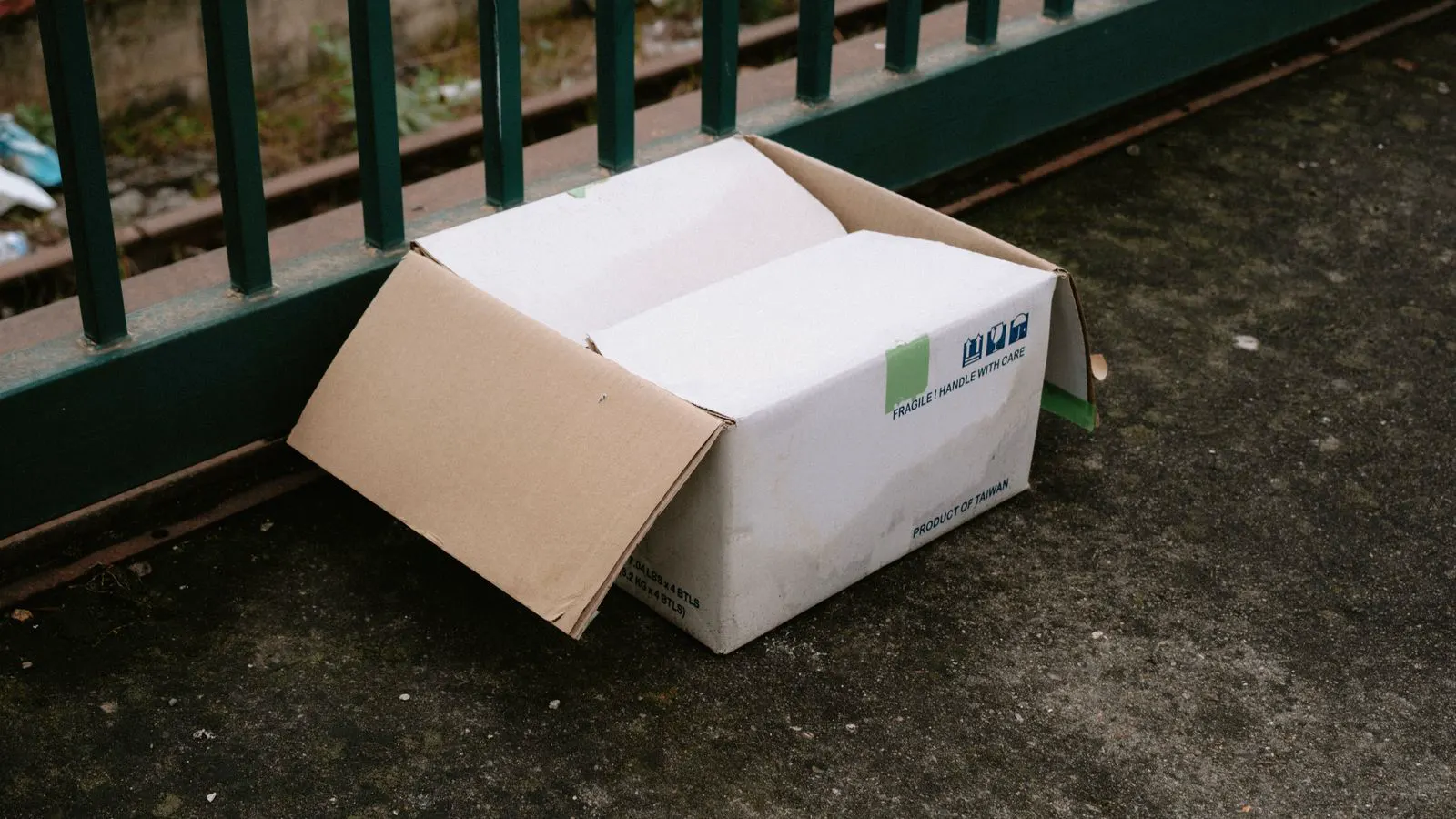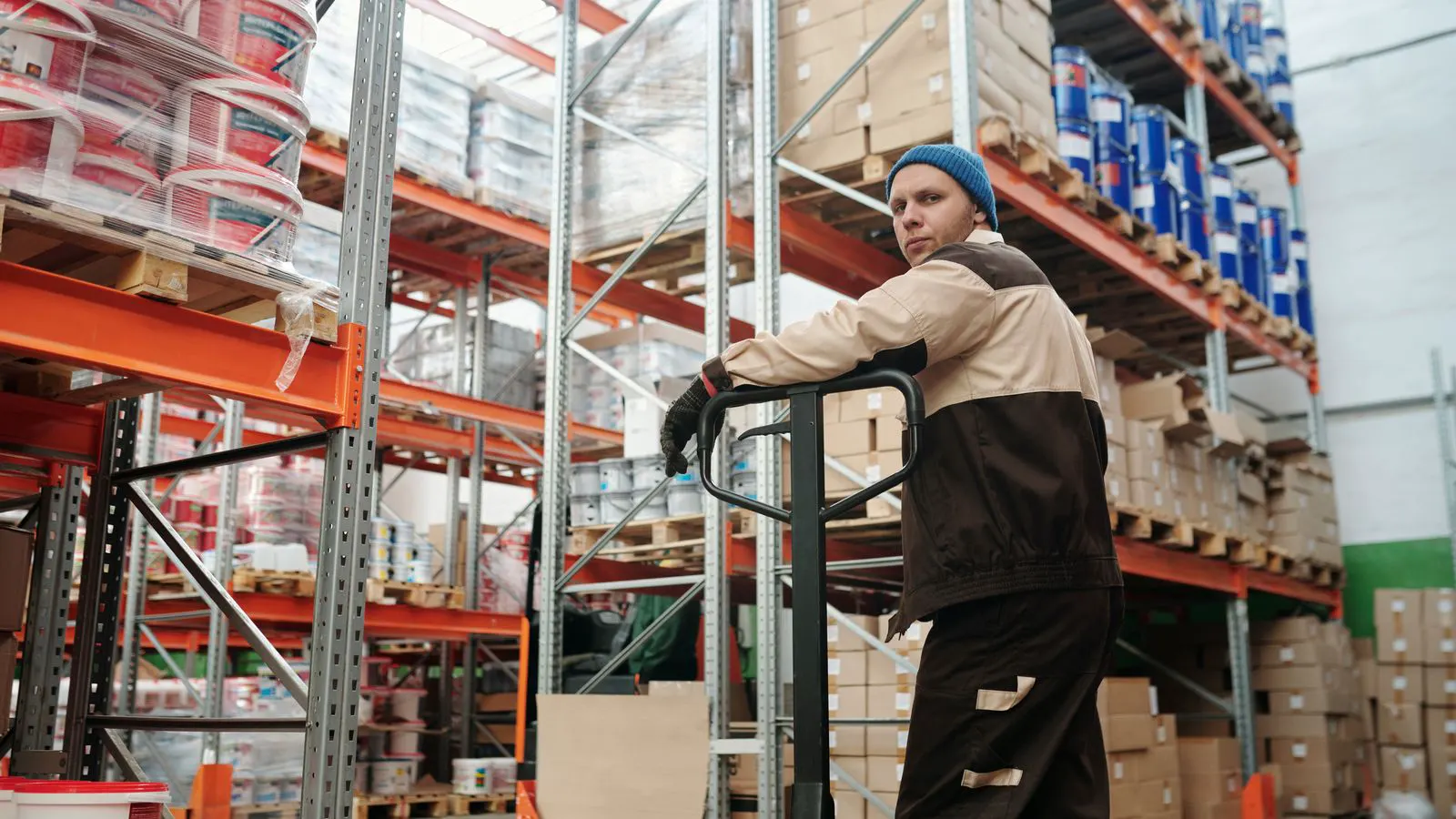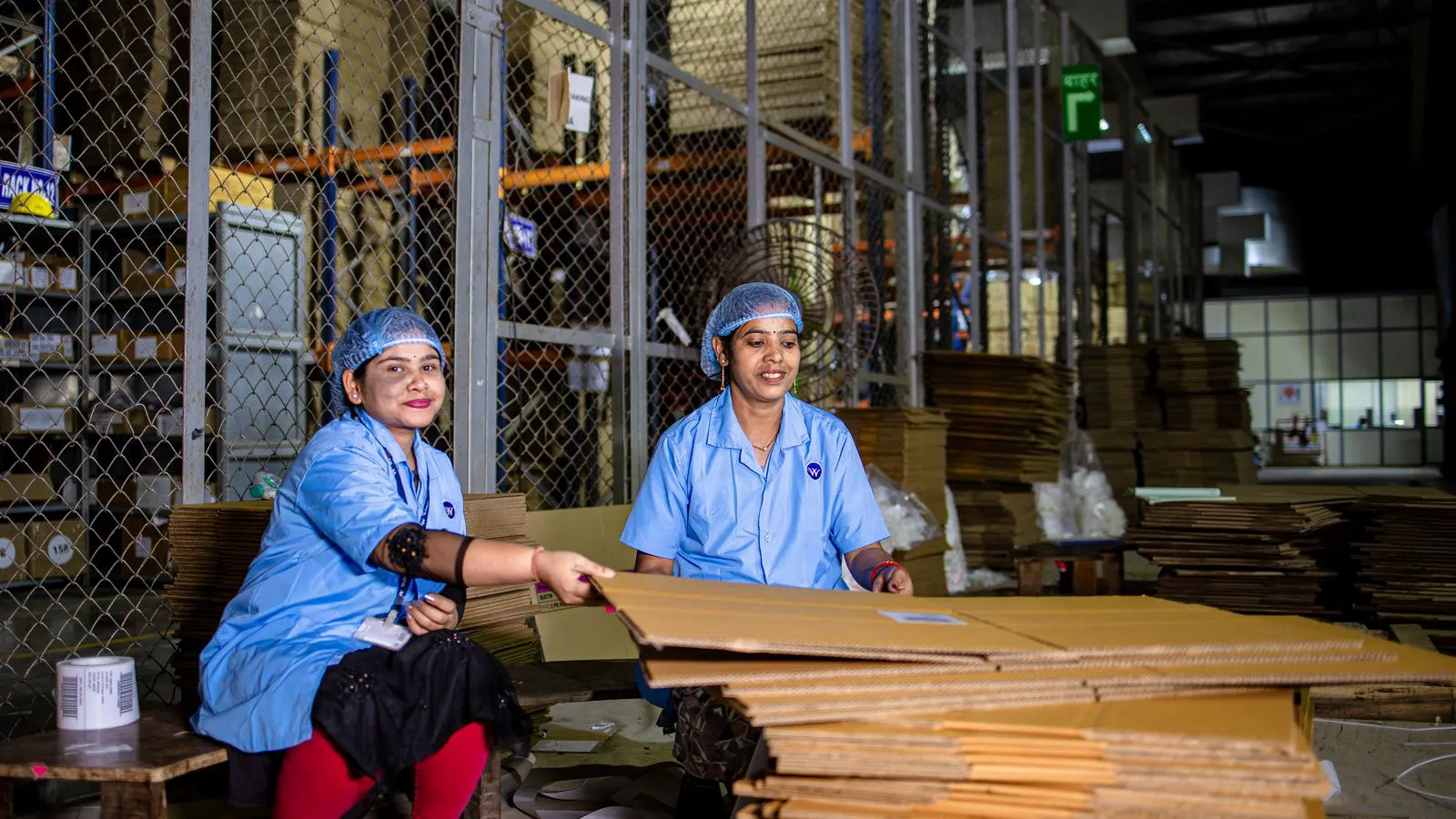
Box crushing during marine transport usually stems from moisture absorption, excessive stacking loads, or weak structural design. This guide identifies common symptoms, matches them to likely causes, and outlines practical fixes based on box testing results and packaging engineering principles.
- Moisture is the primary cause of crushing failures in sea freight; dry boards lose strength quickly when wet.
- Box testing must replicate actual stacking loads and humidity levels to reveal weak points before shipment.
- Structural design changes, such as adding internal dividers or changing flute orientation, often resolve recurring crush patterns.
- Prevention requires matching board grade to weight and using desiccants or moisture barriers for long ocean routes.
Why Do Boxes Fail at Sea
Marine transport imposes two distinct stresses that do not appear in land delivery. Salt air and high relative humidity soak the board. The total weight of the pallet and any boxes stacked above it presses down on the bottom face. When those two forces meet, the corrugated flutes lose stiffness. The box deforms inward. In severe cases, the flutes collapse entirely.
This failure mode is common on long ocean routes. The damage often appears after several weeks at sea. The boxes may look fine at loading. They arrive with visible crushing, torn flutes, and weakened side walls. Buyers and engineers need a systematic way to trace the failure back to the packaging design.
The physics of the failure is straightforward but easy to underestimate. Corrugated cardboard is a honeycomb structure. Its strength depends on the geometry of the flutes and the strength of the paper walls. Humidity acts as a plasticizer. Water molecules bond with the cellulose fibers, reducing the modulus of elasticity. The board becomes less able to resist bending and compression. Simultaneously, the load from the stack above creates a compressive force that tries to flatten the flutes. If the board has lost stiffness due to moisture, the load required to collapse the structure drops significantly. A box rated for a specific stacking weight in dry conditions may fail at half that weight if it is damp.
Another factor is the temperature cycling inside shipping containers. Containers are often loaded in one climate and unloaded in another. As the air temperature drops, humidity rises inside the container. If the board has been exposed to warm, moist air, condensation can form on the surface. This condensation is often heavier and more damaging than rain because it wicks directly into the flutes. The combination of repeated wet-dry cycles weakens the board fibers over time.
Common Symptoms of Marine Crushing
The damage pattern tells you a lot about what happened. Look closely at the box before assuming a single cause.
| Symptom | Likely cause | What to do |
|---|---|---|
| Uniform inward collapse on all four sides | Excessive stacking load from pallet or overloading | Recalculate stacking load, reduce box height, or increase board thickness |
| Crushing concentrated on bottom corners | Uneven pallet weight or point loads from forklift tines | Add corner protectors, use rigid pallets, or reinforce the bottom panel with a die-cut insert |
| Wet-looking flutes with localized softness | Moisture absorption from condensation or rain exposure | Apply moisture barrier, use desiccant packs, or switch to a water-resistant board grade |
| Flute failure on one side only | Board grade mismatch or poor gluing during manufacturing | Inspect the production line for adhesive coverage, verify board grade against load requirements |
| Box remains intact but contents are damaged | Internal shifting during transit | Add internal dividers, void fill, or a rigid inner tray |
Check the flutes carefully. If the flutes are flat and dry, the failure is structural. If they are damp, compressed, or discolored, moisture played a role. If the flutes are intact but the box has shifted, the issue is internal support.
Uniform collapse on all four sides usually indicates that the total stacking load exceeded the box’s capacity. This is a design issue. The box height is too tall for the weight on top, or the bottom panel is too thin. Look at the bottom corners. If the crushing is localized there, the load was not distributed evenly. This often happens when the pallet is uneven or when forklift tines dig into the box during loading. Check the flutes for moisture. If they are damp, the board lost strength before the load was even applied. If the flutes are dry but the box is crushed, the load was simply too high.
Internal shifting is a different problem. The box itself may be strong enough to hold the weight, but the contents moved inside. As the box jostles in a truck or on a ship, the contents slide. They hit the walls and corners. This creates point loads that the box was not designed to handle. The box may look fine on the outside, but the product inside is shattered or dented.
How Box Testing Reveals Weak Points
Box testing is the fastest way to confirm a cause. A single compression test in a lab gives a number. A real-world failure needs a test that mirrors the conditions.
- Perform a static compression test on the bottom panel. Use the actual weight of the contents plus the weight of the boxes stacked above.
- Run a humidity exposure test. Place the box in a chamber at high relative humidity for a defined period. Test it again.
- Check the edge compression of the flutes. Weak glue lines show up here first.
- Review the board grade. Confirm the ECT and basis weight match the calculated load.
If a box passes dry compression but fails after humidity exposure, the problem is moisture. If it fails dry compression even with a high-grade board, the design is under-specified. The test data should drive the fix, not guesswork.
Testing must be representative. Do not test a sample that was cut from the center of the roll. Test a box that was assembled in the production line where the failure occurred. The glue lines, the die-cutting, and the sealing method all matter. A lab sample made by hand may not reflect the actual quality of the production run.
The static compression test is the baseline. You must calculate the total load. This includes the weight of the product, the weight of the box itself, and the weight of any boxes stacked on top. Do not guess the stacking height. Use the actual configuration from the failed shipment. If the boxes were stacked two high, test with two boxes. If they were stacked three high, test with three. The number of boxes on top determines the compressive force on the bottom panel.
The humidity test is critical for marine routes. A standard compression test is done at room temperature and humidity. This does not reflect the conditions in a shipping container. Place the box in a humidity chamber at 85 to 90 percent relative humidity for 48 to 72 hours. Then run the compression test. The difference between the dry and wet results tells you how much moisture is affecting the strength. If the drop in strength is significant, the board is too sensitive to moisture for the route.
Edge compression testing checks the glue lines. The glue lines are the joints that hold the flutes together. If the glue is not applied correctly, the flutes can separate under load. This is especially true if the board is damp. The glue weakens when wet. Check the edge compression of the flutes. If the flutes separate easily, the production line has a glueing defect.
Review the board grade. ECT, or Edge Compression Test, is a measure of the board’s ability to resist compression along the edge of the flute. Basis weight is the mass of the board per unit area. Both are important. A high ECT board may have a low basis weight if it uses a strong but thin paper. A high basis weight board may have a low ECT if the paper is weak. Confirm that both values match the calculated load. If the board grade is too low, the box will fail even if the design is correct.
Structural Design Fixes That Work
Once the cause is identified, packaging engineering choices become straightforward. The goal is to add stiffness where the load applies.
- Change the flute orientation. Flutes that run horizontally across the bottom panel resist compression better than those that run vertically. If your bottom panel uses vertical flutes, consider a reorientation.
- Add internal dividers. A simple corrugated insert splits the load across multiple support points. It also stops contents from shifting and creating point loads.
- Use a thicker bottom panel. A double-wall bottom on a single-wall box adds margin without changing the overall footprint.
- Reduce box height. A shorter box distributes the stacking load over a smaller vertical span. It also reduces the moment force on the side walls.
- Select a higher board grade. Moving from a medium-grade to a heavy-grade board increases ECT. Do this only where the load demands it.
These changes cost more. They also solve the problem permanently. The choice depends on the value of the contents and the frequency of the route.
Flute orientation is a powerful tool. The flutes act like a beam. A beam that runs across the width of the box resists bending better than a beam that runs along the length. If the flutes run vertically, the compressive load pushes straight into the ends of the flutes. This is less efficient. If the flutes run horizontally, the load is distributed across the entire width of the panel. This is more efficient. Changing the flute orientation is a simple design change. It requires a new die or a reconfiguration of the production line. The cost is low compared to using a heavier board.
Internal dividers are effective for preventing internal shifting. A simple corrugated insert can be cut into the bottom of the box. It splits the box into smaller compartments. Each compartment supports the contents. The load is distributed across multiple points instead of one point. This reduces the stress on the box walls. Internal dividers also protect the contents. If the box is crushed, the contents are contained in a smaller space. They are less likely to shift and damage each other.
A thicker bottom panel is a direct solution to crushing. A double-wall bottom adds a layer of board. This increases the ECT of the bottom panel. It also increases the basis weight. The box becomes heavier, but it becomes stronger. Use this only when the load is high. For light products, a double-wall bottom is unnecessary and adds cost.
Reducing box height is often overlooked. A tall box has a larger moment force on the side walls. The side walls must resist the bending force caused by the weight on top. A shorter box reduces this bending force. It also reduces the surface area exposed to moisture. A shorter box is less likely to collapse under the same load. If the product fits in a shorter box, use it.
Selecting a higher board grade is the most expensive option. It increases the cost of every box. Use it only when the other options are not enough. If the load is very high, or if the route is very harsh, a heavier board may be necessary. But do not use a heavy board for a light product. It is a waste of money.
Moisture Control for Long Sea Freight
Moisture is often the hidden multiplier. A board that handles a two-ton load in dry conditions may fail at half that load when damp. Salt air is worse than rain because it carries dissolved salts that accelerate board degradation.
Practical controls include:
- Use a moisture barrier film or shrink wrap around the pallet. The wrap must be sealed tightly. Gaps let humidity in.
- Place desiccant packs inside the box. The quantity should match the volume of the package.
- Store pallets in a dry area before loading. Boxes that arrive at the port already damp are already compromised.
- Consider a board with a resin coating. This adds a layer of resistance to water absorption.
Moisture control is cheaper than replacing failed boxes. It also protects the contents from water damage even if the outer box shows minor crushing.
Shrink wrap is the first line of defense. It creates a barrier between the board and the air. It prevents direct contact with condensation and rain. The wrap must be sealed tightly. Any gap allows humidity to enter. A loose wrap is useless. The wrap should be applied around the entire pallet, including the top. It should be tight enough to prevent movement during transit.
Desiccant packs are effective for small boxes. They absorb moisture from the air inside the box. They are not effective for large boxes with a large volume of air. The quantity of desiccant must match the volume of the package. Use enough desiccant to dry the air inside the box. Do not use too little. If the desiccant is saturated, it will not work.
Store pallets in a dry area before loading. This is often neglected. Boxes that are stored in a wet warehouse are already compromised. They have already absorbed moisture. They are weaker than boxes that are stored in a dry area. Store pallets in a dry area. Use a dehumidifier if necessary. Do not load damp boxes.
A resin-coated board is a long-term solution. It adds a layer of resistance to water absorption. The resin is applied to the surface of the board. It prevents water from penetrating the board. It also prevents the board from losing strength when damp. Resin-coated boards are more expensive than standard boards. Use them for high-value products or harsh routes. Do not use them for standard products.
Preventing Recurring Failures
A one-time fix does not solve a systemic problem. Preventing recurring crushing requires a feedback loop between design, production, and shipping.
- Document the failure. Take photos of the crushed box and the flutes. Record the route, humidity, and stacking configuration.
- Update the box testing checklist. Add the specific load and humidity conditions that caused the failure.
- Share the data with the manufacturer. Structural design changes need to be baked into the die and the production setup.
- Monitor the board grade. Suppliers can change the basis weight or the flute type without notice. Verify the grade before every production run.
- Review the pallet design. A weak pallet can concentrate loads that a strong box cannot handle.
The cost of prevention is small compared to the cost of rejected shipments, damaged goods, and customer claims.
Documenting the failure is the first step. Take photos of the crushed box. Take photos of the flutes. Record the route, humidity, and stacking configuration. This information is critical. It helps you identify the cause. It also helps you prevent the same failure in the future.
Update the box testing checklist. Add the specific load and humidity conditions that caused the failure. The checklist should be specific. It should not say “test for crushing.” It should say “test for crushing under a load of 500 kg at 90 percent relative humidity.” The specific test conditions ensure that the test is representative of the failure.
Share the data with the manufacturer. Structural design changes need to be baked into the die and the production setup. If you change the flute orientation, the die must be changed. If you change the board grade, the production setup must be changed. The manufacturer must be informed of the changes. They must implement the changes before the next production run.
Monitor the board grade. Suppliers can change the basis weight or the flute type without notice. This is common. A supplier may switch from a high-grade board to a medium-grade board to reduce costs. They may change the flute type from E-flute to G-flute. These changes affect the strength of the box. Verify the grade before every production run. Do not assume that the board is the same. Check the documentation. If necessary, run a sample test.
Review the pallet design. A weak pallet can concentrate loads that a strong box cannot handle. The pallet must be strong enough to support the weight of the boxes. It must be flat. It must not have damaged corners. It must be able to support the boxes without bending. If the pallet is weak, the boxes will be crushed even if they are strong.
When to Escalate the Problem
Some failures are not simple design issues. If a box crushes under a load that should be well within its rating, look deeper.
- Check the production line for glue defects. Poor adhesive coverage creates weak points that appear only under load.
- Inspect the board for manufacturing defects. Moisture in the raw paper stock causes inconsistent strength.
- Review the shipping documentation. If the box was stored in a wet container or exposed to rain during loading, the failure is environmental, not structural.
- Consider a material switch. Sometimes a different flute type or a paper-based alternative outperforms standard corrugated in high-humidity conditions.
Escalation is not a sign of failure. It is a sign that the problem is more complex than a single design tweak can solve.
If the box fails under a load that is well within its rating, the problem is not the design. It is something else. It is a production defect or an environmental factor. Check the production line. Look for glue defects. Poor adhesive coverage creates weak points. These weak points do not appear in a dry compression test. They appear only under load. Inspect the glue lines. If they are not fully covered, the flutes will separate.
Inspect the board. Moisture in the raw paper stock causes inconsistent strength. If the paper is damp, the board is weaker. The board may look fine, but it is not strong. Check the board for manufacturing defects. Look for tears, holes, or weak spots. If the board is defective, the box will fail.
Review the shipping documentation. If the box was stored in a wet container or exposed to rain during loading, the failure is environmental. It is not structural. The box was damaged before it was loaded. Check the shipping documentation. Look for notes on the container conditions. If the container was wet, the box was damp. If the box was exposed to rain, the box was wet. In these cases, the box was not strong enough to carry the load.
Consider a material switch. Sometimes a different flute type or a paper-based alternative outperforms standard corrugated in high-humidity conditions. Standard corrugated is not suitable for all conditions. If the route is very harsh, you may need a different material. A paper-based alternative may be more resistant to moisture. A different flute type may be stronger. Consider a material switch. Do not stick to standard corrugated if it does not work.
Final Checklist
Use this checklist when a box fails at sea.
- Photograph the damage and record the location on the box.
- Determine if the flutes are dry or damp.
- Calculate the actual stacking load, including pallet and overpack weight.
- Run a box test that replicates the failure conditions.
- Review the board grade and flute orientation.
- Implement a structural design change or moisture control measure.
- Verify the fix on the next production run.
A systematic approach turns a recurring failure into a solvable engineering problem. The data from box testing and the choices in structural design are your tools. Use them in order. The result is a package that survives the ocean.
Frequently asked questions
Does a wet box always mean the board grade is too low?
No. A wet box can result from condensation, rain exposure, or poor sealing. Check the storage and loading conditions before assuming the board grade is inadequate.
Can I fix crushing by adding void fill?
Void fill protects contents from shifting. It does not add compressive strength to the box walls. If the box is crushing, you need a structural change or a stronger board.
How do I calculate the correct stacking load?
Add the weight of the contents, the box itself, and the weight of every box stacked above it. Use the total load per square foot of the bottom panel. Compare that number to the board ECT and the box geometry.
Is a moisture barrier wrap always necessary?
For short routes in dry climates, it may not be. For long sea freight, high-humidity regions, or open-air loading, a sealed moisture barrier is recommended.
Will changing the flute orientation solve the problem?
It helps when the load direction is the issue. Horizontal flutes on the bottom panel resist compression better. If the failure is from moisture or a weak glue line, changing orientation will not fix it.