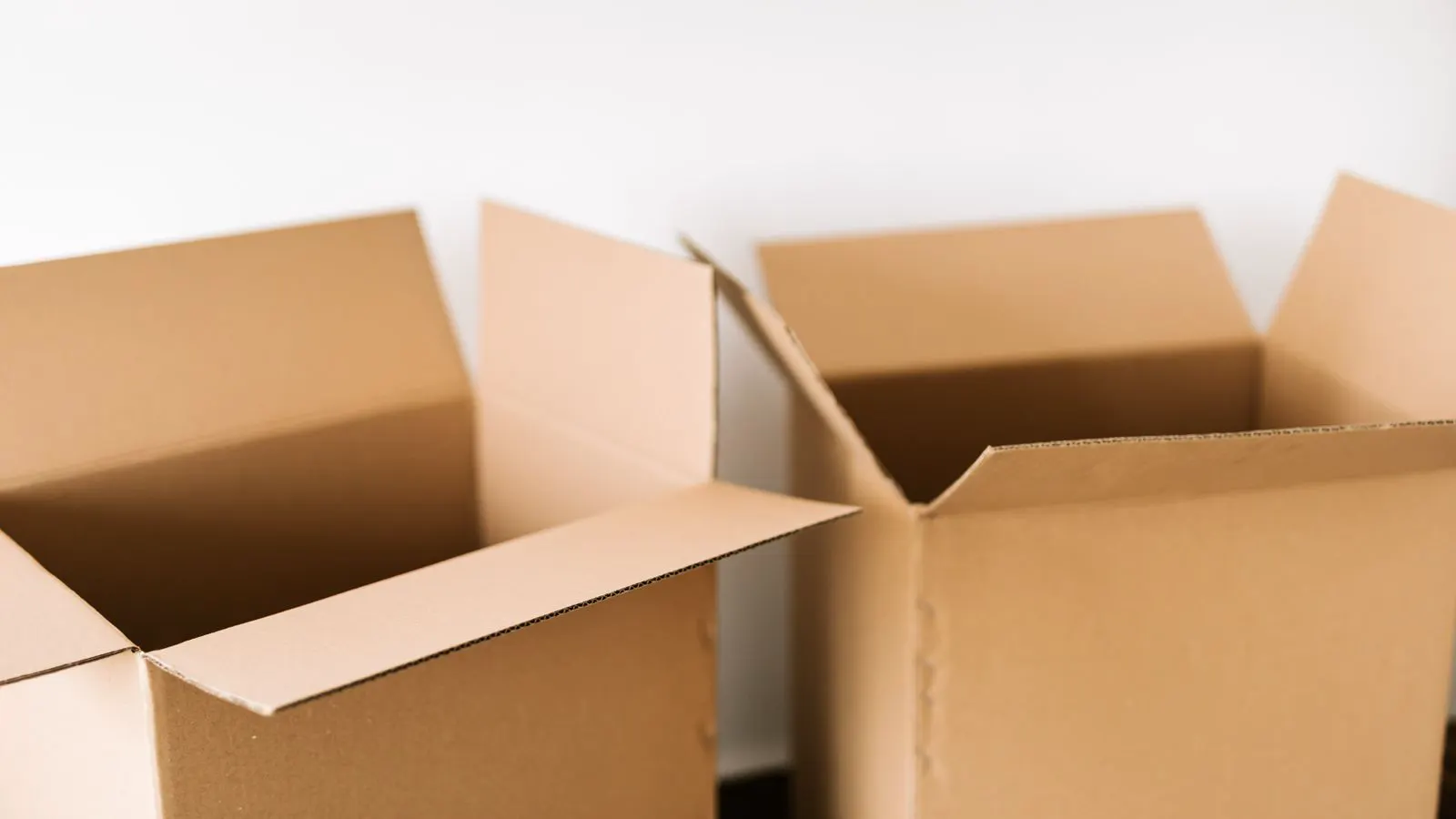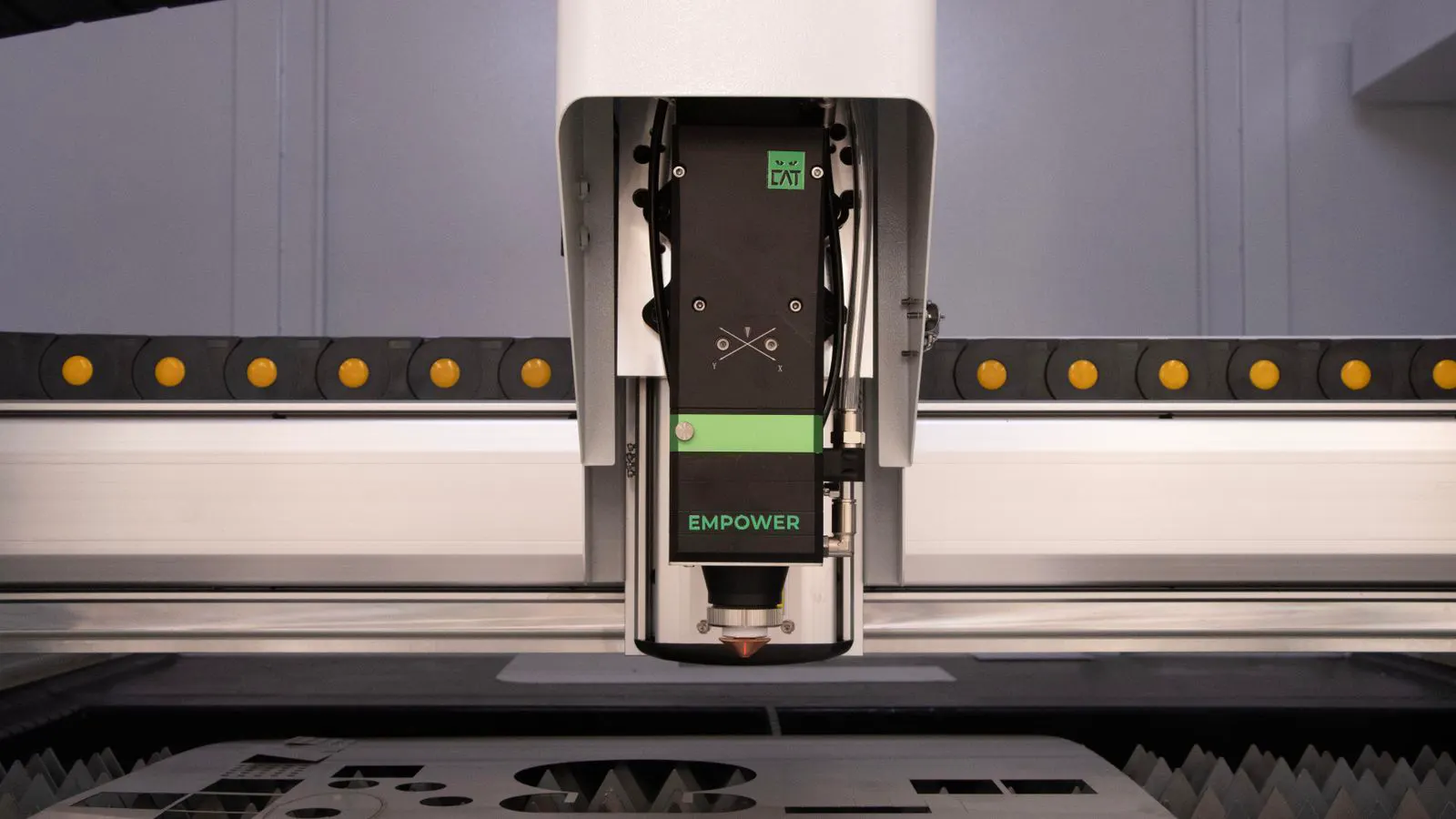
A die-cut carton uses a sharp blade tool to cut precise shapes and openings in corrugated board. This process creates custom shapes for specific products. Understanding the process helps buyers choose the right box construction for their needs.
- A die-cut carton is made by pressing a tool into the board, separating material and creating clean edges.
- The die profile determines the shape, opening size, and structural support of the final carton.
- Custom shapes and die-cut openings reduce material use and simplify assembly, but they increase die tooling costs.
- Sourcing decisions depend on volume, product fit, and whether the shape needs to repeat across orders.
A die-cut carton is not a special paper or coating. It is a standard corrugated carton that has been shaped by a tool. The tool presses into the board and follows a specific pattern. This process separates the material exactly where the design requires a gap, a fold line, or a handle. The result is a carton with openings, windows, or non-rectangular profiles that a standard guillotine cut cannot produce.
How the Die-Cutting Process Works
The core of the process is the die. A die is a physical tool, usually made from steel or hardened plastic, that holds the cutting pattern. The tool has two main parts. The cutting blade removes material. The scoring blade creates a bend without cutting through. These two functions happen in one press cycle.
The corrugated board moves under the die on a flatbed or rotary press. The press applies pressure. The blade cuts through the flutes and the outer liners. The score line bends the board. Once the cycle ends, the finished carton falls away as a single flat piece or a partially formed box.
This method differs from standard cutting. A guillotine cutter slices straight lines across the entire sheet. That works well for rectangular boxes. It cannot create a handle, a circular window, or a tapered base. For those features, the die-cutting process is the standard approach.
What Makes a Die-Cut Carton Different
The term die-cut carton refers to the manufacturing method, not a specific box style. A carton can be die-cut to create a simple square opening for a label. It can also be die-cut to form a complex three-dimensional profile. The board type and flute orientation remain the same as in a standard carton. The difference is in the shape of the material.
Three features define a die-cut carton. The first is the profile. The outer edges of the box may be curved, angled, or irregular. The second is the opening. Windows, slots, or cutouts remove material to create space. The third is the fold line. The score pattern determines how the box stands up. In a standard box, fold lines are straight. In a die-cut box, they can be curved or offset.
These features change how the box interacts with the product. A handle cutout allows two-handed carrying. A window lets the customer see the contents without opening the box. A tapered profile can reduce the height of the package, which lowers stacking height in a truck.
How Die-Cutting Affects Box Construction
The die profile influences structural strength. When you cut material out of a carton, you remove load-bearing flutes. The remaining walls must carry the weight of the product and any handling forces. A carton with a large window has less surface area to resist compression. This requires a higher edge crush strength or a double-wall board to maintain rigidity.
The fold line also affects construction. A curved fold line creates a smaller radius for bending. This reduces the chance of the board cracking during assembly. It also creates a more rigid joint compared to a sharp 90-degree corner. For heavy freight, this can be a significant advantage.
Board selection is the first sourcing decision. For light products, single-wall corrugated is often sufficient. For heavier items or those needing stacking strength, double-wall board is standard. The die-cutting process does not change the physics of the board, but it changes the amount of material left in the final shape. A box with a large cutout needs more material strength than a box of the same dimensions with no cutout.
Custom Shapes and Product Fit
Custom shapes are the main reason buyers specify die-cut cartons. A rectangular box may fit a product, but it may waste space. The air between the product and the box adds weight and volume. Shipping carriers charge based on dimensional weight. Excess air increases the cost per unit. A die-cut profile that hugs the product reduces this air gap.
Consider a product with a handle. A standard rectangular box requires the handle to protrude, increasing the overall height. A die-cut box can integrate the handle into the top panel. The handle is part of the box structure, not an add-on. This reduces the number of components and the assembly time. It also lowers the risk of the handle detaching during transit.
The shape must match the product geometry. If the product is cylindrical, a die-cut box can create a round or oval profile. This reduces the empty space in the corners. The cutout must be precise. If the profile is too tight, the product may scratch or deform. If it is too loose, the box will shift during transport. The die tool is built to exact measurements, which is why the process is reliable for repetitive orders.
Sourcing Decisions and Tooling Costs
The biggest factor in sourcing die-cut cartons is the tooling cost. The die tool is a one-time investment. It is built from the customer’s design file. The tool can be steel or composite. Steel lasts longer but costs more to manufacture. Composite tools are cheaper to make but wear out faster. The choice depends on the expected production run length.
For low-volume or prototype orders, the tooling cost may be high relative to the number of boxes. For high-volume, recurring orders, the tool cost becomes negligible per unit. Buyers should ask the supplier about the tooling fee and the expected lifespan of the tool. A tool designed for a single season may differ from one built for a permanent product line.
Lead time is another variable. The die must be designed, manufactured, and tested. The test run identifies any errors in the die before mass production. This process takes longer than standard box production. Buyers should factor this into their procurement schedule. If the product design changes, the die may need to be modified or rebuilt.
Worked Example: A Handle Cutout Carton
Imagine a carton for a home improvement tool that weighs eight kilograms. The standard rectangular box is 30 centimeters long, 20 centimeters wide, and 15 centimeters high. The tool handle sticks out the top. This increases the total height to 25 centimeters. The box is bulky and takes up more space in a warehouse rack.
A die-cut solution changes the profile. The top panel is cut with a handle opening that matches the tool shape. The handle is integrated into the box. The total height remains 15 centimeters. The box is slimmer and stacks better. The cutout removes a small amount of material from the top panel. The supplier increases the flute weight slightly or uses a double-wall board to compensate for the removed material. The final carton is lighter because of the reduced air gap, and it has a lower dimensional weight rating. The assembly process is faster because there is no separate handle component to attach.
Common Mistakes in Die-Cut Sourcing
The most common mistake is designing the shape without considering the fold line. A complex outer profile looks good on a flat pattern, but it may not stand up properly. The score lines must be placed at the correct angles. If the score is too close to the cut edge, the board can tear during assembly. A simple flat test of the die-cut piece before mass production catches these errors early.
Another mistake is ignoring the opening size. A window that is slightly too small forces the product to shift. A window that is too large removes too much structural support. The opening must be sized based on the product’s tolerance. The die tool is fixed once made. Adjustments require a new tool or a modified die, which adds cost and time.
Finally, buyers often overlook the material finish. Die-cut edges are raw board edges. They can look rough. If the product is consumer-facing and aesthetics matter, the supplier may need to apply a label or a finish to the cut edges. This adds a step to the production process. It is better to specify this requirement at the design stage than to discover the rough edges after production.
Checking the Final Product
Before accepting a shipment of die-cut cartons, perform a physical inspection. Check the cut edges for burrs. The blade should produce a clean cut. A rough edge indicates a dull blade or a tooling issue. Check the fold lines. They should bend smoothly without cracking. Press on the top and bottom panels. The box should feel rigid. If it feels soft or floppy, the board strength may be too low for the cutout size.
Measure the opening. Use a ruler or a template. The opening must match the product dimensions. If the opening is too tight, the product will not fit. If it is too loose, the product will rattle. A loose product causes damage during transit. A tight product causes damage during assembly. The tolerance must be within the specified range.
Check the fold integrity. Close the box fully. The panels should align. There should be no gaps at the corners. The fold line should hold the angle. If the box does not stand up straight, the score line is incorrect. This is a tooling error.
Choosing the Right Box Type
The choice between a die-cut carton and a standard box depends on the product and the shipping method. For a simple, flat item, a standard box is cheaper and faster to produce. For a product with a handle, a window, or an irregular shape, a die-cut carton is the standard solution. The shape reduces air space, which lowers dimensional weight. It also simplifies the assembly process.
For heavy freight, die-cutting can improve stacking. A tapered profile reduces the height of the carton. This allows more units per layer. The box also fits better in the truck bed. For e-commerce, die-cutting can create a better unboxing experience. A window or a custom shape makes the product stand out. The shape can also be used to create a protective cushion.
The decision is not always about aesthetics. It is about function. A die-cut carton is a functional tool. It shapes the package to fit the product and the shipping environment. The cost of the die tool is offset by the savings in material, shipping, and labor. For high-volume products, the offset is clear. For low-volume products, the tooling cost must be weighed against the benefits of the custom shape.
Frequently asked questions
What is the difference between a die-cut carton and a standard box?
A die-cut carton uses a tool to create custom shapes, openings, and fold lines. A standard box is cut with straight lines and has a rectangular profile.
Does die-cutting weaken the carton?
It removes material, which reduces the surface area available for load bearing. The remaining structure must be strong enough to support the product.
How long does it take to make a die tool?
The time depends on the complexity of the design and the supplier's workload. A simple die takes less time than a complex one.
Can I modify a die-cut design after production starts?
Modifying a die tool is expensive and time-consuming. It is best to finalize the design before the tool is built.
What is the best board type for a die-cut carton with a large window?
Double-wall corrugated is often preferred for large cutouts because it provides more structural support. Single-wall may work for light products. ===END===