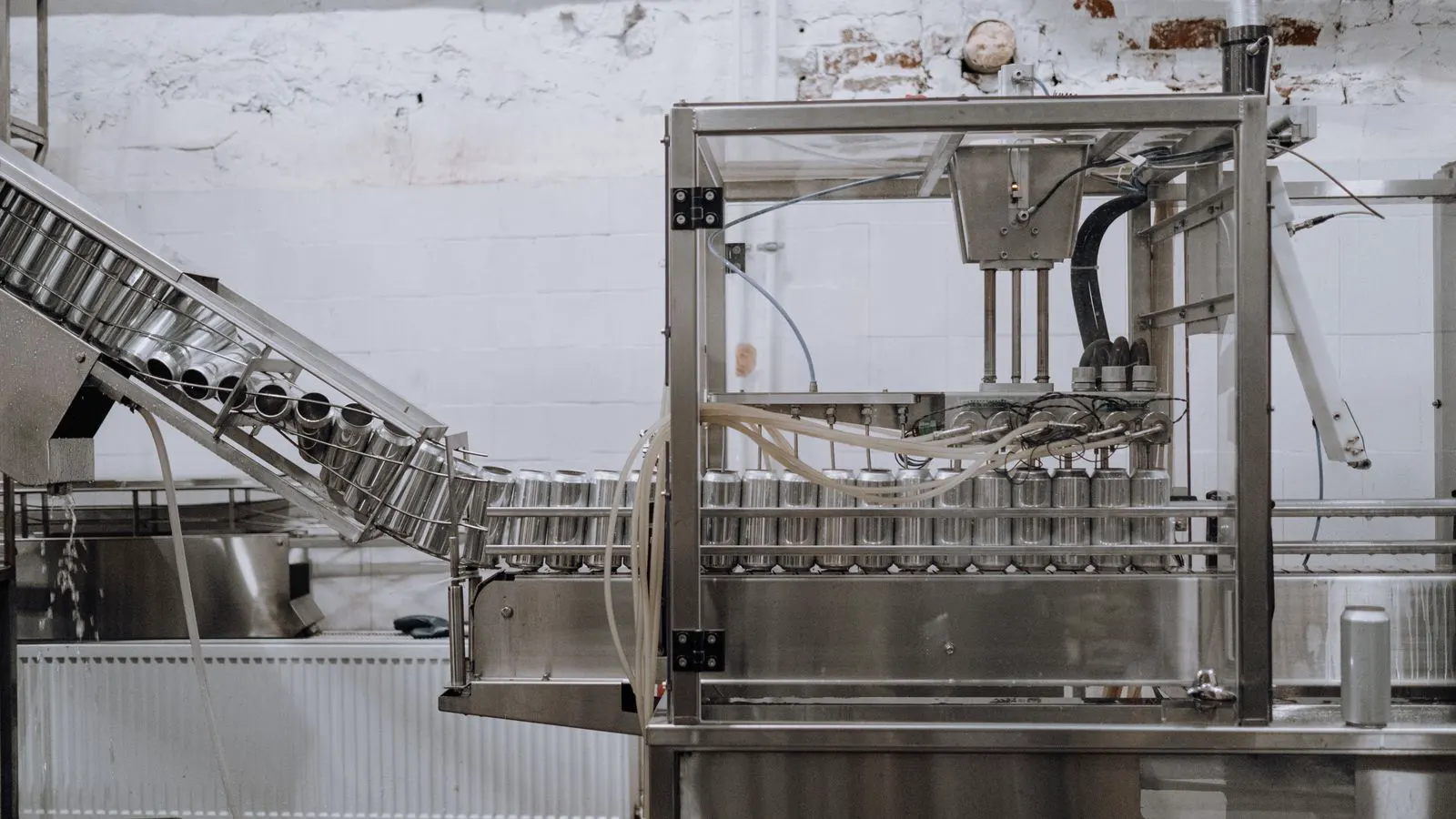
Verify supplier quality audit controls by checking raw material handling, press maintenance, finishing capabilities, and documentation. This checklist helps buyers confirm vendor compliance and reduce defect risk before placing production orders.
- Check the supplier's raw material storage and press maintenance records before approving a production order.
- Use physical packaging inspection checks at the press and final packing to catch defects early.
- Require written vendor compliance documentation for every carton lot to track traceability and accountability.
Why a Structured Audit Matters Before Ordering
Carton quality depends on controls that happen long before the final box leaves the warehouse. A supplier may look capable on a sales call while still struggling with board sourcing, press setup, or finishing tolerances. A supplier quality audit checklist turns those vague concerns into specific verification steps.
This guide gives buyers a structured list to check before placing orders. It focuses on the areas that cause the most common problems in production: material handling, press performance, finishing accuracy, and documentation.
Check Raw Material Handling and Storage
Corrugated quality starts with the board. If the supplier stores board in a humid or uncontrolled environment, the fluting can swell, delaminate, or lose strength. Ask for their storage conditions and how often they check board moisture.
Look for these specific controls:
- Board is stored off the floor on racks or pallets with ventilation.
- The storage area has a stable temperature and humidity range.
- Incoming board is inspected for visible damage, moisture, or contamination.
- Board is dated and tracked so you can identify which lot was used in a specific carton run.
Red flag: The supplier cannot tell you the lot number of the board used in a sample or production run. Without lot traceability, you cannot trace a defect back to a specific raw material batch.
Another red flag is a supplier that mixes board grades without clear separation. If premium and standard board sit in the same area, cross-contamination of labels and handling errors can happen.
Verify Press Maintenance and Setup
The press is where the carton gets its shape, print, and fold. A poorly maintained press produces inconsistent fold lines, misaligned print, and poor fluting compression. Ask the supplier for their press maintenance schedule and how often they calibrate fold gauges and cutting blades.
Check for these items during a site visit or request documentation:
- Presses are cleaned and lubricated on a fixed schedule.
- Fold gauges are checked regularly to ensure consistent fold depth.
- Cutting blades are replaced or sharpened when they show wear.
- Operators have standard work instructions for setup and changeovers.
Red flag: The supplier relies on “experience” instead of documented procedures for press setup. If the same operator always sets up the machine, the process is fragile. If that operator leaves, quality drops.
A practical check is to ask for a recent press calibration log. If they do not keep one, that is a signal their internal quality system is weak.
Review Finishing and Assembly Capabilities
Finishing is where many carton defects appear. Score lines, die-cut openings, tape placement, and sealing all affect how the carton performs in the field. If the supplier does not have a dedicated finishing area, quality can suffer from cross-contamination or rushed work.
Ask about their finishing setup:
- Do they have a dedicated die-cutting station with regular blade checks?
- Is tape or adhesive applied with a calibrated dispenser?
- Do they perform a final visual check before packing?
- Are finished cartons stacked in a way that prevents damage?
Red flag: The supplier does not have a separate area for finishing and general packing. If cartons are handled by different crews without a clear handoff, minor defects can go unnoticed until they reach your warehouse.
Another sign of a weak process is a supplier that does not offer a pre-shipment inspection. If they will not inspect their own output before shipping, you are taking on a higher risk of receiving damaged or defective cartons.
Confirm Packaging Inspection Standards
Packaging inspection is not just about counting boxes. It is about verifying that each carton meets your specifications. A good supplier uses a defined inspection method for each carton run.
Ask them to show you their inspection checklist. It should cover:
- Box dimensions within tolerance.
- Print alignment and color consistency.
- Fold line quality and squareness.
- Surface defects like dirt, tears, or scuffs.
- Seal or tape integrity.
Red flag: The supplier only does a visual check at the end of production. If they do not inspect during the press run, defects can continue for hours before anyone notices.
A practical approach is to ask for their defect classification system. Do they distinguish between cosmetic defects and functional defects? If they do not, they may accept boxes that look fine but fail in use.
Review Vendor Compliance and Documentation
Vendor compliance is about accountability. You need written records that prove the supplier followed their own standards and your specifications. Without these documents, disputes become difficult to resolve.
Request the following documents:
- A copy of their quality policy or management system.
- Recent inspection reports from a comparable carton run.
- A sample certificate of compliance or lot traceability form.
- Their process for handling nonconforming material.
Red flag: The supplier resists providing documentation or says “we have it internally” but will not share it. If they are not willing to document their process, they are not likely to follow it consistently.
A useful document to request is a nonconformance report from a recent production run. If they have never had one, ask why. If they have had several, ask what corrective actions they took. The quality of their response tells you how serious they are about fixing problems.
Compare Capabilities Against Your Carton Type
Not all suppliers handle every carton type well. A supplier that is strong on simple mailers may struggle with die-cut display boxes or heavy-duty shipping cartons. Match their capabilities to your specific needs.
Consider the following table when evaluating suppliers:
| Capability Area | What to Verify | Why It Matters |
|---|---|---|
| Board Sourcing | Lot traceability and storage conditions | Prevents moisture damage and strength loss |
| Press Setup | Calibration logs and operator training | Ensures consistent fold lines and print alignment |
| Finishing | Dedicated die-cut and sealing stations | Reduces defects in openings and closures |
| Inspection | In-process and final checks | Catches defects before they reach the customer |
| Documentation | Certificates and nonconformance reports | Provides traceability and accountability |
Red flag: The supplier claims to handle all carton types but does not have specific experience with your design. If your carton has a complex die-cut pattern or a tight tolerance, you need a supplier who has done it before and can show examples.
Use the Checklist as a Pre-Order Gate
Do not treat this supplier quality audit checklist as a one-time exercise. Use it as a gate before placing each order or at the start of each quarter. If a supplier fails on a critical item, do not place the order until they provide a corrective action plan.
A practical approach is to score each section. Assign a weight to each area based on your product risk. For example, if your carton ships internationally, board storage and seal integrity may carry higher weight than cosmetic print alignment.
Keep the completed checklist on file. If a defect appears in production, you can refer back to the audit and ask for evidence that the issue was addressed. This turns a vague complaint into a specific conversation about process failure.
Frequently asked questions
How often should I audit a new carton supplier?
Conduct a full supplier quality audit before the first production order. After that, revisit the checklist at least annually or when you change carton types or volumes.
What is the most common defect I should check for during packaging inspection?
Fold line inconsistency is one of the most common issues. It causes the carton to be difficult to open and can lead to damage during handling.
Do I need a site visit for a supplier quality audit?
A site visit is ideal for a first-time supplier. If distance prevents a visit, request recent inspection reports, press calibration logs, and a video walkthrough of the production line.
What documents should I require for vendor compliance?
Require a lot traceability form, a certificate of compliance for each production run, and a copy of their nonconformance report process.
Can I use this checklist for both small and large suppliers?
Yes, but adjust the depth of checks. For a large supplier, focus on their management system and automation. For a smaller supplier, focus on manual checks, operator training, and storage conditions.