Selecting packaging suppliers requires a systematic approach to assess quality, capacity, and compliance. This guide provides a framework for evaluating vendors through clear criteria, audits, and trial orders to ensure reliable sourcing.
- Define technical specifications before contacting vendors to filter out unsuitable suppliers.
- Conduct on-site audits to verify production capabilities, quality controls, and environmental certifications.
- Use small trial orders to test print quality, die-cutting precision, and lead time performance.
- Negotiate clear terms on minimum order quantities, lead times, and penalties for non-conformance.
Why Generic Quotes Are Not Enough
A packaging supplier quote is only as good as the data behind it. A low price per carton often hides costs in setup fees, minimum order quantities, or expedited shipping. When selecting packaging suppliers, buyers must look beyond the unit price. The real value comes from consistency. A vendor that delivers every carton with the same board thickness, print alignment, and sealing strength saves money in the long run. Inconsistent cartons create damage claims, wasted repackaging labor, and lost shelf space. The goal of vendor evaluation is to find a partner who understands your product’s weight, shape, and handling environment, not just a shop that can print your logo.
Define Your Technical Requirements First
Before sending a request for quotation, prepare a clear technical brief. Vendors work faster and more accurately when they understand the target. List the board construction, such as single-wall or double-wall, and specify the fluting type and thickness. If you need a specific board grade, state it clearly. Include the net outside dimensions of the carton. Mention any special features like die-cut windows, custom color inks, or embossing. Note the required printing process, whether offset, flexo, or digital.
Specify the quantity for the first order and the expected annual volume. This helps the supplier determine if your order fits their production line efficiently. If your product is fragile, mention the drop test requirements. If it will ship overseas, note any export compliance needs. A precise brief reduces back and forth. It also helps you compare quotes on an apples to apples basis. Two suppliers may quote different prices because they interpreted a vague request in different ways. Clear data prevents this mismatch.
Assess Production Capacity and Flexibility
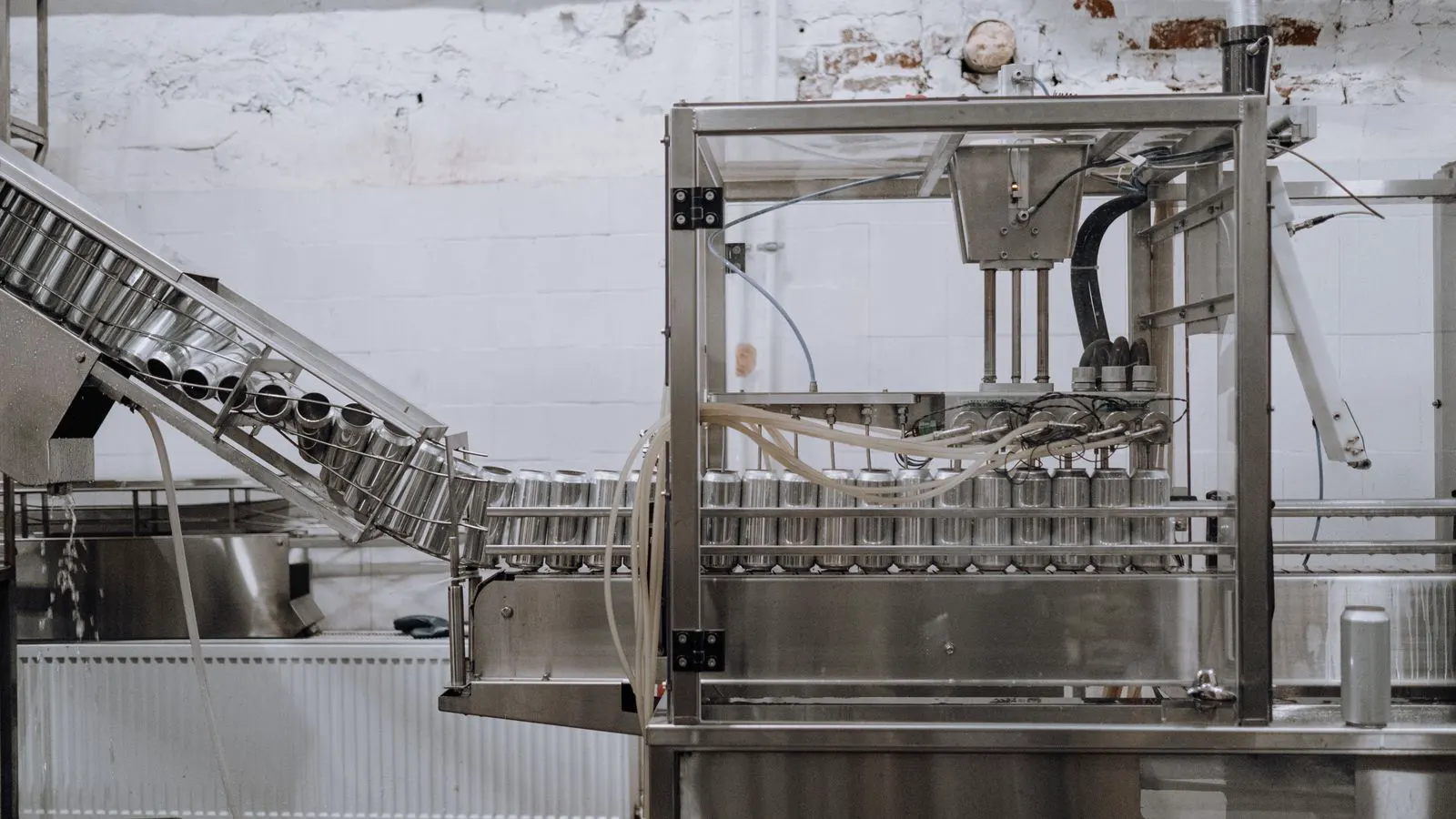
Capacity is about more than the number of cartons a plant can make in a year. Look at their peak season readiness. During holiday peaks, many plants run at maximum capacity. A supplier who is already at full capacity in October may struggle to meet your December deadline. Ask about their current load. If they are at full capacity, ask what their contingency plan is. Do they have backup lines? Do they outsource overflow work? If they outsource, who performs the quality checks?
Flexibility matters for product launches. If your product design changes, can the supplier handle the new die-cut file quickly? Can they adjust the print layout without a long retooling period? Digital printing is useful for short runs, but offset printing is more cost effective for high volumes. A good supplier will recommend the right process for your volume. They will not push the most expensive option just to make more money.
Evaluate Quality Control Processes
Quality control is where many suppliers separate themselves from the rest. Ask about their in process checks. Do they run a die-cutting test on the first run? Do they check print registration after the first hour of printing? Do they perform a compression test on the fluting before it is cut? A reliable supplier will have documented check points. They will not rely on the final visual inspection alone.
Request samples of previous work. If possible, visit their facility. A supplier quality audit checklist should include inspection of the board storage area. Humidity control matters. Board absorbs moisture from the air. If the board is stored in a damp warehouse, the cartons may lose stiffness. Check the press area. Are the inks mixed correctly? Is the paper feed aligned? Ask to see their lab. Do they have equipment to test bursting strength, edge crush strength, and seal strength? A supplier that can test and provide data is more trustworthy than one that only says “it looks good.”
Review Financial Stability and Compliance
Financial stability protects you from supply disruption. If a supplier goes out of business, your packaging line stops. Check their years in operation. Look at their customer base. Are they serving multiple industries? A supplier that relies on one large client is more vulnerable to that client’s decisions. Ask about their insurance. Do they have product liability coverage? Do they have workers compensation coverage?
Compliance requirements vary by region and industry. If you ship food products, the supplier may need food safe certifications. If you ship electronics, you may need static control features. If you ship internationally, check for export documentation capabilities. Some suppliers handle customs paperwork. Others only provide a packing list. Clarify this early. A supplier that handles compliance saves your team hours of administrative work.
The Role of Trial Orders
A trial order is the fastest way to test a supplier. Do not place a full production order based on samples alone. Samples are good, but they are often made on a separate press or with different board stock. A trial order should use the same production line as the final run. Request a small batch, perhaps one or two pallets. Inspect the cartons upon arrival. Check the dimensions with a caliper. Test the seal strength. Look for ink bleed or misregistration. Run a drop test with your actual product inside.
A trial order reveals lead time performance. Did the supplier deliver on the promised date? If they were late, why? A reliable supplier will communicate delays early. They will not send a late shipment without warning. They will offer solutions. A supplier that hides a delay is a red flag. Use the trial order to negotiate terms. If the first run has minor defects, discuss how they will make them up. This sets the tone for the long term relationship.
Negotiate Clear Commercial Terms
Clear terms prevent disputes. Negotiate the pricing structure. Is the quote valid for one year or one order? What happens if board prices change? Most contracts include a price adjustment clause based on market indices. Agree on payment terms. Net 30 is common, but some suppliers require 50 percent up front. Understand the penalty structure. If a carton does not meet spec, do they credit you? Do they replace it? What is the timeline for replacement?
Lead time is a commercial term. Define it clearly. Does the lead time start when you approve the dielines or when you pay the deposit? What is included in the lead time? Production, quality checks, packing, and shipping? If the supplier needs to source special board, does that add time? Get everything in writing. Verbal agreements are hard to enforce when deadlines are missed.
Decision Checklist
Use this checklist to finalize your supplier selection.
- Does the supplier meet all technical specifications in writing?
- Have you verified their production capacity for your peak season?
- Have you reviewed their quality control documentation?
- Have you completed a small trial order and inspected the results?
- Are the commercial terms, including lead times and penalties, clear and agreed upon?
- Have you checked their financial stability and compliance certifications?
- Is there a clear process for handling quality issues and disputes?
If the answer to any of these is no, pause. Do not sign a long term contract until the gaps are closed. A supplier who resists clarity is a supplier who will resist accountability.
Common Mistakes to Avoid
Buyers often skip the on site audit because it takes time. They rely on phone calls and email samples. This is a risk. A plant can look good in photos but fail in operation. Another mistake is focusing too much on price. A low price often means the supplier uses cheaper board or skips quality checks. You may save 5 percent on the carton and lose 20 percent in damage claims.
Some buyers sign a contract without defining the quality standards. They say “cartons must be good.” This is not a standard. Define the standards. Reference industry tests. Specify the tolerances. If a carton is 2 millimeters too wide, is it acceptable? If the print is 1 millimeter off, is it a defect? Clear standards remove ambiguity.
Finally, do not lock in a single supplier without a backup plan. Even the best supplier can have a fire, a flood, or a labor strike. Keep a secondary vendor qualified. Run a small trial order with them. Do not use them unless needed, but keep the relationship warm. This protects your supply chain.
Final Thoughts on Supplier Selection
Selecting packaging suppliers is a strategic decision. It affects product protection, cost, and brand perception. Use a structured approach. Define your needs clearly. Evaluate vendors on capacity, quality, and stability. Use trial orders to test performance. Negotiate clear terms. The best supplier is not the cheapest. It is the one that delivers consistent quality on time, every time.
Frequently asked questions
How do I know if a supplier is reliable?
Look for documented quality controls, consistent communication, and a track record of on time delivery. A reliable supplier will provide data and meet agreed specifications.
Should I use a local supplier or a distant one?
It depends on your volume and product type. Local suppliers offer faster turnaround and lower shipping costs. Distant suppliers may offer lower board costs or specialized capabilities.
What is a good trial order size?
Start with one or two pallets. This is large enough to test the full production line but small enough to limit risk. Adjust based on your production needs.
How often should I review my packaging supplier?
Review performance annually. Check quality metrics, lead time performance, and price competitiveness. Market conditions and your own needs can change.
Can I switch suppliers easily?
Yes, if you have clear technical files and maintain a good relationship. Keep your die-cut files and print files organized. This makes it easier to transfer to a new vendor if needed.