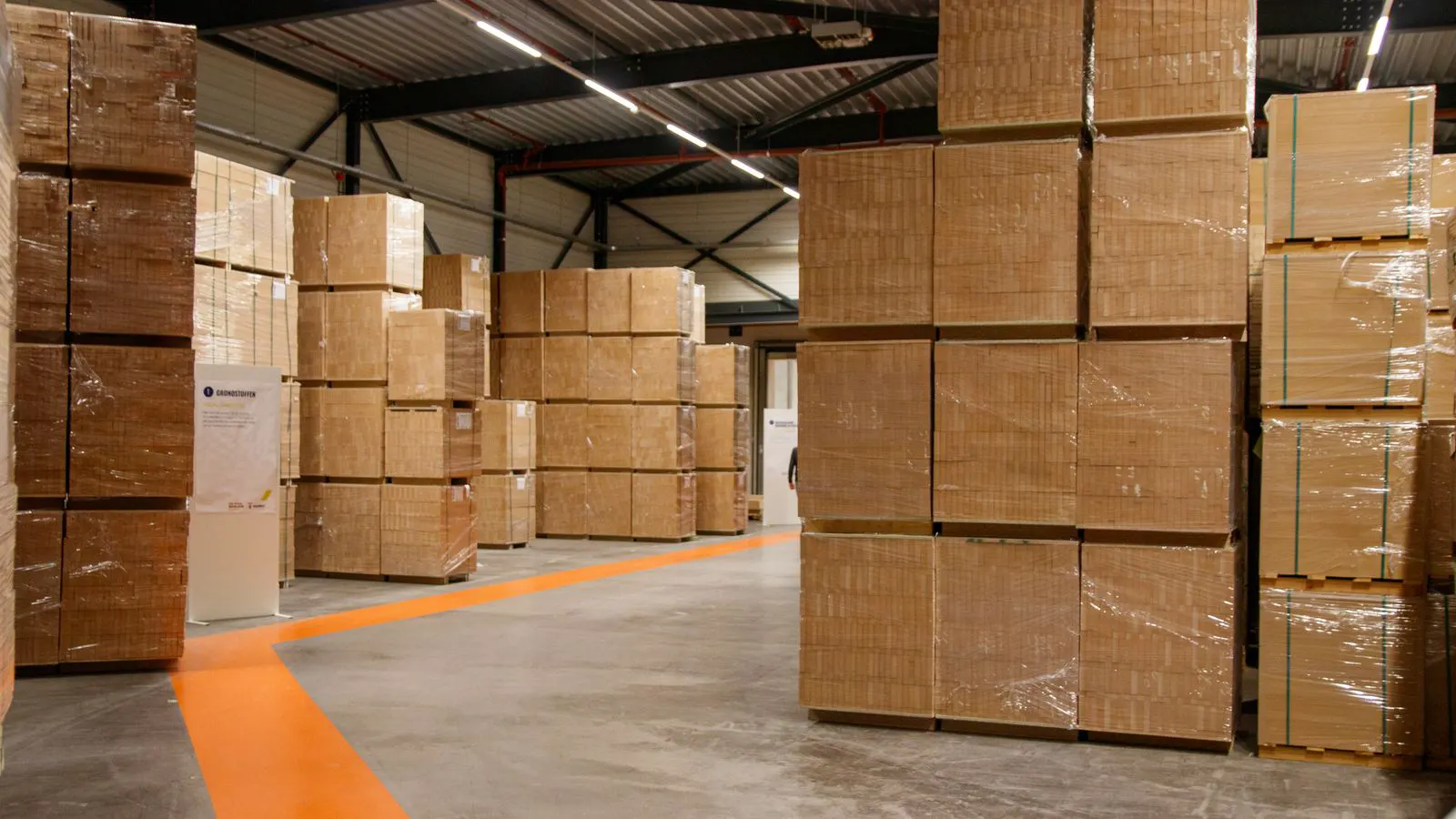
Export packaging requires specific physical validation. This guide outlines the required box testing procedures for stacking, compression, and transit. Verify these checks to prevent damage and ensure regulatory compliance for cross-border freight.
- Validate stacking load limits to prevent bottom box failure during palletization.
- Confirm compression strength meets destination warehouse handling requirements.
- Simulate transit conditions to identify weak points in the corrugated structure.
- Review test records as part of the final shipment documentation.
Why Physical Testing Matters for Export
International freight exposes packaging to conditions that domestic routes rarely do. Containers ship with mixed loads, pallets stack to varying heights, and handling equipment differs by region. A box that survives a warehouse floor in one country may fail in a container in another.
Structural design decisions must be verified through physical testing. Relying on theoretical calculations alone leaves gaps. The packaging design must hold up under real force. This checklist provides a structured approach to those tests before shipment leaves the origin facility.
Compression Strength Verification
Compression strength measures how much vertical force a box can withstand without crushing. This is the primary test for boxes that stack in transit.
- Place the closed box on a flat, rigid surface.
- Apply load evenly across the top and bottom surfaces.
- Increase the load gradually until the box shows deformation or failure.
- Record the load at the point of structural compromise.
The measured value must exceed the maximum expected stacking load. Check the specific stacking configuration for the destination. Some warehouses stack pallets two high. Others use forklifts that lift and place boxes with minimal support.
Red flags:
- The box bottom fails before the top.
- The edges of the top face show indentation before the core compresses.
- The measured strength is below the calculated stacking requirement.
If the bottom fails first, the board construction or the fluting direction may be incorrect. Fluting must run perpendicular to the direction of the compressive force.
Stacking Load and Pallet Configuration
How boxes stack on a pallet dictates the load on the bottom units. A standard pallet holds a specific weight. The total height determines the force on the lowest layer.
- Calculate the total weight of a full pallet.
- Determine the number of layers in the stack.
- Multiply the weight of the layers above by the number of layers above each specific box.
- Apply a safety margin to the result.
The packaging design must support this static weight. Dynamic forces from forklift movement add stress. Test the boxes at the calculated maximum.
Red flags:
- The bottom layer boxes show visible crushing after short storage.
- The pallet load shifts unevenly, placing point loads on box corners.
- The calculated load exceeds the compression strength of the bottom layer by a significant margin.
Review the stacking method with the forwarder. Some destinations use automatic stacking machines. These can apply uneven pressure. The structural design must accommodate point loads, not just uniform weight.
Impact and Drop Testing
Transit involves drops. Forklifts drop boxes onto pallets. Conveyor belts can jolt the load. Container doors slam.
- Select a drop height based on the handling environment.
- Position the box on a rigid surface.
- Release the box from the specified height.
- Inspect the box for visible damage.
- Check the contents for movement or breakage.
Repeat the test from multiple orientations. Top face, bottom face, and edge corners present different structural challenges.
Red flags:
- The box flaps tear away from the body.
- The box corners separate from the main structure.
- The contents shift significantly, indicating internal voids or loose fitting.
A box that passes a single drop test may still fail in a container. Vibration over long ocean routes causes fatigue. The gluing and tape joints must hold under repeated stress.
Vibration and Transit Simulation
Containers move over rough sea lanes and road networks. Vibration causes boxes to rub against each other. This friction weakens the structure over time.
- Place the box on a vibration table.
- Set the frequency and amplitude to match typical sea freight conditions.
- Run the test for a defined duration.
- Inspect the box after the test.
The packaging design must resist this cyclic loading. Weak gluing lines will fail first. Check the flaps and the bottom seams.
Red flags:
- The flaps peel back from the body.
- The bottom seam opens.
- The box corners expand due to vibration.
If the gluing fails, the adhesive may be unsuitable for the destination climate. High humidity can soften some glues. Use a heat-resistant adhesive in hot climates.
Moisture and Humidity Resistance
International routes expose boxes to varying humidity levels. Containers can become humid during loading. Ocean voyages add moisture.
- Expose the box to a controlled humidity environment.
- Monitor the box for swelling or warping.
- Test the compression strength after exposure.
- Compare the results to dry conditions.
The structural design must maintain integrity in damp conditions. Corrugated board absorbs moisture and loses strength.
Red flags:
- The box swells and the flaps separate.
- The compression strength drops after humidity exposure.
- The board feels soft to the touch.
Use a higher quality board if the route involves high humidity. The fluting size also affects moisture resistance. Larger flutes trap more air and can hold more moisture.
Labeling and Compliance Checks
Physical testing is not the only requirement. Export packaging must meet destination regulations. Labels provide critical information for handlers.
- Verify the box has a weight label.
- Check for “This Side Up” and “Keep Dry” symbols.
- Confirm the box size and weight match the shipping documents.
- Ensure the box is labeled with the destination country code.
Red flags:
- The labels are missing or illegible.
- The weight label is inaccurate.
- The box is labeled for a different destination.
Inaccurate labels cause handling errors. A box labeled as lightweight may be stacked too high. A box labeled as fragile may be dropped. The packaging design must support the intended handling.
Test Record and Documentation
Every test must have a record. The buyer needs proof of compliance. The record should include the date, the test method, the measured values, and the pass or fail status.
- Create a test sheet for each box size.
- Record the compression strength.
- Record the impact test results.
- Record the vibration test results.
- Include the humidity exposure data.
- Attach the test sheet to the shipment documents.
The test record is part of the packaging design validation. It shows that the structural design was tested and approved.
Red flags:
- The test record is missing.
- The test record does not match the box design.
- The test was performed on a sample that differs from the production run.
If the test record is incomplete, the shipment may be rejected at the destination. The buyer needs a complete trail. The structural design must be documented as well as tested.
Common Mistakes in International Box Testing
- Testing only one box size. Different sizes have different failure points.
- Ignoring the stacking configuration. The load depends on how the boxes are placed.
- Using domestic handling standards for international routes. International freight is harder.
- Focusing only on the box. The contents matter. A light box with a heavy, unsecured item will fail.
- Not retesting after design changes. A small change in board or fluting can alter the strength.
The box testing process is iterative. Adjust the packaging design based on the test results. Re-test after changes. The goal is a box that passes every test.
Final Verification Step
Before shipment, perform a final visual inspection. Check the box for damage, moisture, or contamination. Verify the labels. Confirm the contents are secure.
The box must be ready for the journey. The structural design must hold. The packaging design must protect. The test record must prove it. Export shipping is a chain of handling steps. Each step must be supported by the box. If one step fails, the box fails. Test every step.
Frequently asked questions
How often should I test my boxes?
Test every new box design. Retest after any change in board, fluting, or dimensions. Annual testing is a good practice for established designs.
What is the standard drop height for export?
There is no single standard. The drop height depends on the handling environment. Consult the forwarder for the specific route.
Can I use domestic test results for international shipping?
No. International routes involve higher stacking, more vibration, and varied humidity. Domestic results do not cover these conditions.
What if my box fails the compression test?
Review the board construction and fluting direction. Increase the board weight or change the fluting size. Retest after the change.
Do I need to test the contents?
Yes. The box protects the contents. Test the contents in the box to ensure they do not shift or break. The packaging design must secure the item.