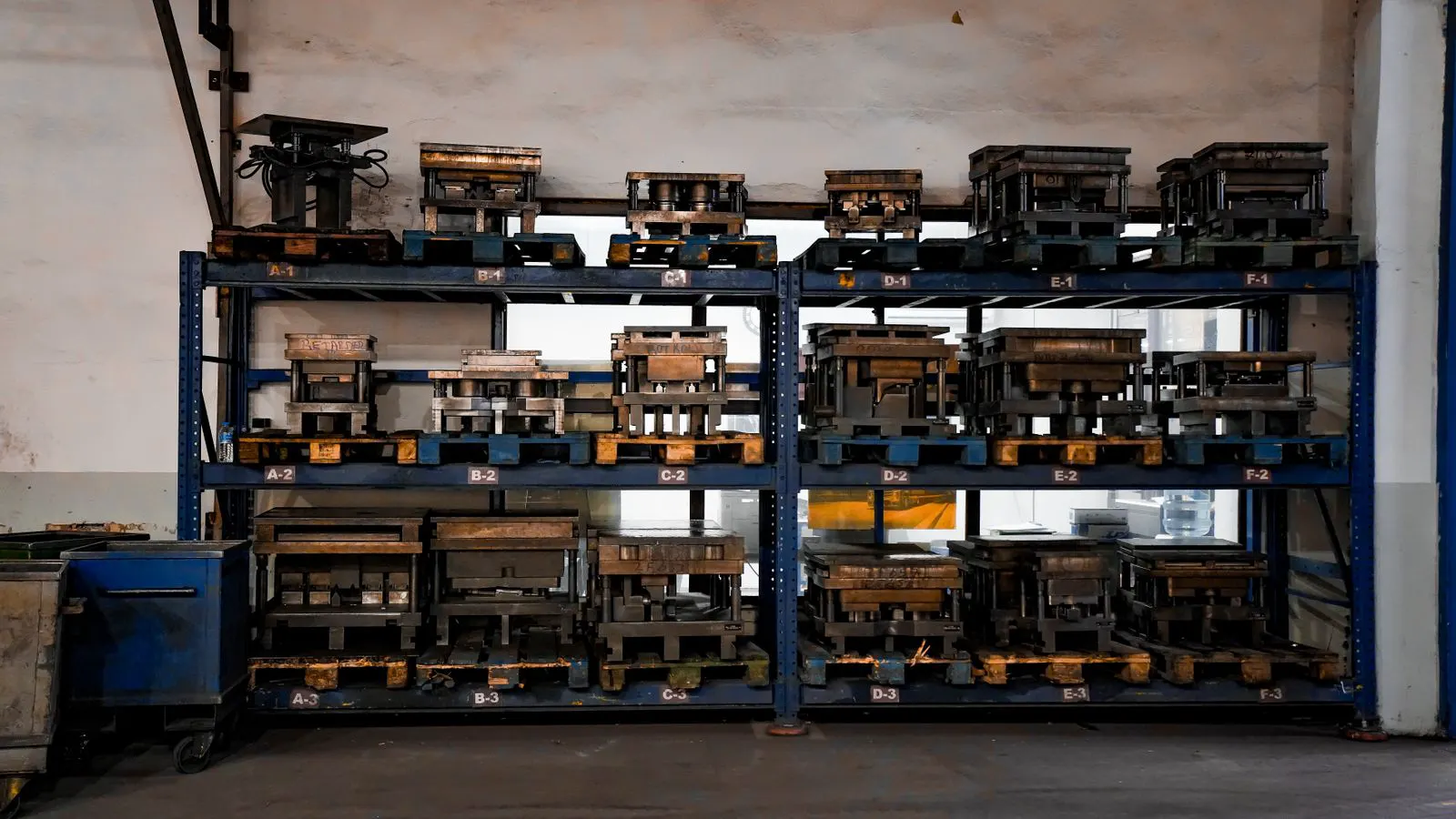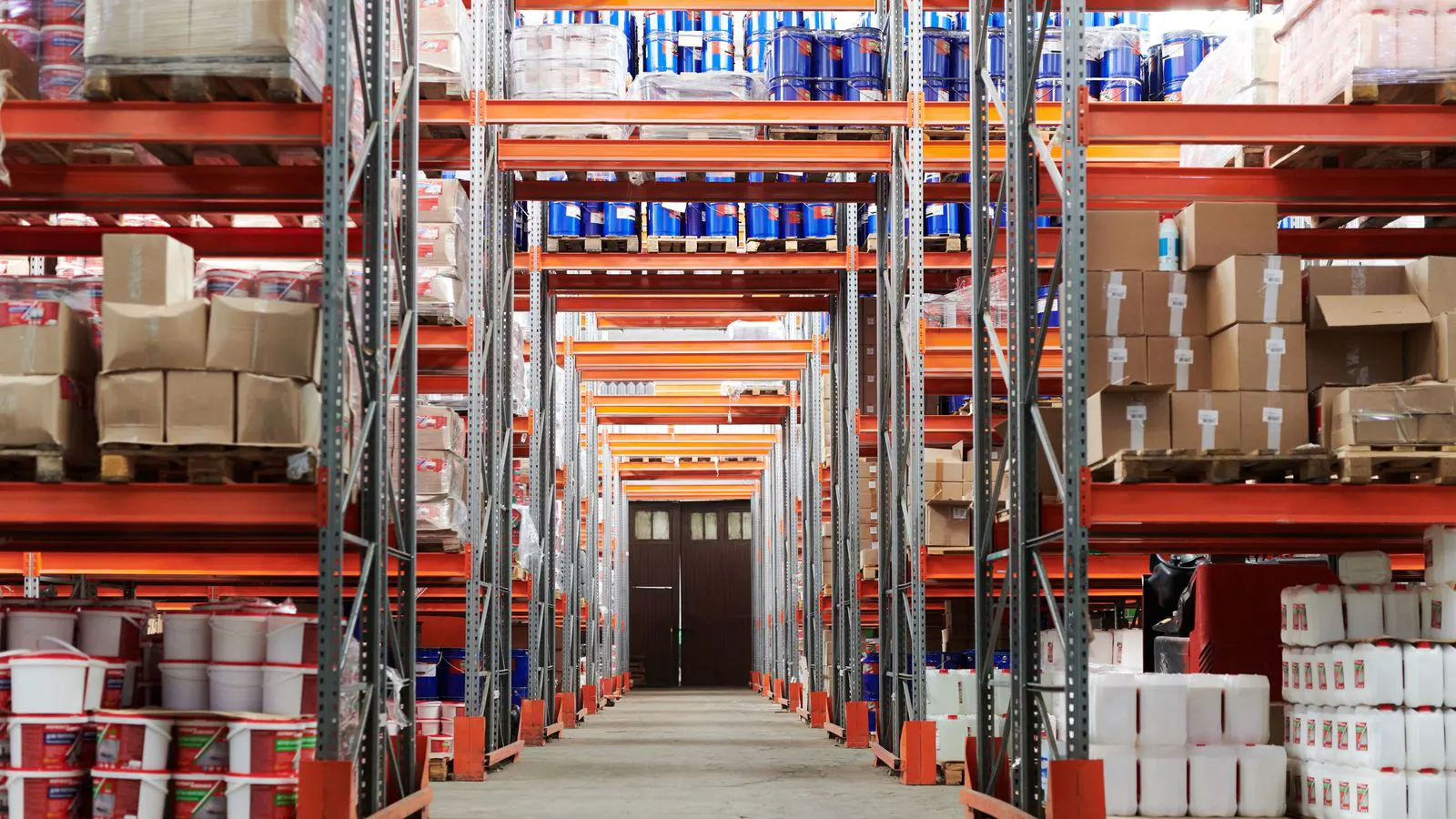
E-commerce and industrial cartons follow different paths. One prioritizes unboxing speed, shelf presence, and small parcel dimensions. The other focuses on crush strength, stackability, and long-haul durability. Buyers must plan for separate material grades, construction methods, and testing protocols to meet these distinct demands.
- E-commerce cartons prioritize low weight, fast assembly, and visible branding, while industrial boxes require high edge crush strength and stack stability.
- Buyers should maintain separate specification sheets for each sector to avoid over-engineering small parcels or under-protecting heavy freight.
- Dimensional analysis must account for carrier rates, pallet cube efficiency, and warehouse handling constraints.
- Sustainability requirements are being applied differently, with e-commerce focusing on recyclability and industrial sectors prioritizing durability and reusability.
- Testing protocols differ significantly, requiring sector-specific drop, vibration, and static load evaluations.
Why Sector-Specific Carton Requirements Diverge
Corrugated packaging demand splits into two distinct streams with fundamentally different physical and economic drivers. E-commerce relies on single-unit or small-bundle shipping, where the package travels short distances but faces unpredictable handling in sorting facilities. Industrial distribution moves palletized freight across long distances, where the package is exposed to static loads, temperature fluctuations, and extended storage periods. These differences in handling intensity, environmental exposure, and end-user interaction create divergent design priorities that cannot be resolved with a single standard.
An e-commerce carton must survive a drop from a height of perhaps one meter in a sorting facility. It must then be unpacked by a consumer within minutes. The box must feel light to the customer, open without tools, and present the product cleanly. The flutes must be thin enough to keep the empty weight low, yet stiff enough to resist puncture from rough handling. An industrial box must survive a six-month journey. It may sit on a pallet in a temperature-controlled or uncontrolled warehouse. It may be stacked three meters high. The box must resist edge crushing, maintain structural integrity under static load, and allow for rapid palletization by forklifts and pallet jacks.
These are not minor variations. They represent different physics. One is about friction, handling, and perception. The other is about compression, stacking, and protection over time. Buyers who apply a single carton design to both sectors will face cost inefficiencies and product damage. A box that is too light for industrial stacking will buckle under the weight of a pallet. A box that is too heavy for e-commerce shipping will inflate per-unit logistics costs and frustrate the end consumer.
Material Selection and Weight Trade-Offs
The first shift buyers must plan for is the divergence in material selection. E-commerce favors light-weight corrugated board. This reduces shipping costs, which are often paid per pound or per kilogram. The target is to minimize the weight of the empty container without sacrificing the ability to protect a small, fragile item. Buyers often specify single-wall corrugated for small packages, using fluting types that offer a balance between crush strength and weight. The liner weight and flute diameter are selected to keep the basis weight low.
Industrial boxes demand heavier board. The basis weight of the corrugated sheets, the fluting type, and the wall thickness all increase. The goal is to maximize edge crush strength. This property determines how much weight a carton can hold on its edges before the flutes crush. For palletized freight, this is the primary failure point. Buyers frequently specify double-wall or triple-wall corrugated for heavy freight. The fluting type may shift to larger diameters to increase the air pocket size and compressive strength. The liner weight often increases to handle the higher internal pressure and external stacking loads.
The trade-off is clear. A light e-commerce carton used for heavy freight will fail under static load. The flutes will collapse under the weight of the contents and the pallet above. A heavy industrial carton used for small parcels will inflate shipping costs unnecessarily. The empty weight of the container becomes a significant portion of the total shipment weight, driving up dimensional weight charges. Buyers must specify board grades based on the expected load and handling environment, not on convenience. The selection process requires a clear understanding of the maximum static load and the number of stacking cycles the carton will endure.
Dimensional Strategy and Carrier Constraints
The second shift involves dimensional analysis. E-commerce packaging is heavily influenced by carrier rates. Most carriers use dimensional weight, calculated from length, width, and height. A carton that is larger than the product it contains increases shipping costs without adding protection. The goal is to right-size the box. Buyers work with packaging engineers to determine the minimum internal dimensions required to protect the product during transit. The external dimensions must align with carrier size classes to avoid surcharges. Oversized cartons that do not fit into standard size classes often trigger higher rate brackets.
Industrial packaging is governed by pallet cube efficiency. The goal is to pack a standard pallet, typically 48 by 48 inches or 1200 by 1000 millimeters, as tightly as possible. The carton dimensions must be multiples of the pallet dimensions. A carton that is too large wastes pallet space and reduces the number of units that can be shipped per pallet. A carton that is too small increases the number of cartons per pallet, raising handling time during loading and unloading. Buyers calculate the number of cartons per pallet and the total cube utilization to determine the optimal carton size. The dimensions must also account for the height of the pallet stack, ensuring that the carton is not too tall to be stable when stacked.
These two approaches pull in opposite directions. E-commerce wants the smallest possible box that protects the item. Industrial wants the largest possible box that fits the pallet and holds the most product. Buyers must evaluate carton dimensions against specific logistical constraints, not just product size. The process involves mapping the logistics network, identifying carrier size classes, and calculating pallet cube efficiency. Any deviation from these constraints leads to higher costs or reduced throughput.
Protection Protocols and Testing
The third shift requires separate testing protocols. E-commerce cartons are typically tested for drop impact from a standard height, such as one meter. The test simulates a fall during sorting. The goal is to prevent product damage from a single event. Buyers specify drop tests on all faces of the carton, including the corners, which are most vulnerable to puncture. The test measures whether the product inside remains undamaged after the impact.
Industrial cartons face more complex stressors. They must pass static load tests, which measure how much weight a carton can hold on its floor and walls before buckling. They must pass edge crush tests, which measure the strength of the flutes under compression. They may also undergo vibration testing to simulate long-haul transport. The static load test places a specific weight on the carton floor and walls and measures the deflection. The edge crush test compresses the flutes at the edges of the carton to determine the load before crushing occurs. Vibration testing subjects the carton to random or sinusoidal vibration to simulate the shocks of truck transport.
A carton that passes a one-meter drop test may still fail a static load test. The flutes may be stiff enough to resist a single impact but weak enough to collapse under sustained compression. Conversely, a carton with high edge crush strength may be too heavy for e-commerce shipping. The testing protocol must match the actual handling environment. Buyers define the test suite based on the specific stresses the carton will face in the supply chain. This ensures that the packaging performs as intended under real-world conditions.
Sustainability and End-of-Life Considerations
The fourth shift involves sustainability. E-commerce customers often care about the unboxing experience and the recyclability of the packaging. They look for boxes that are easy to flatten and recycle. The emphasis is on post-consumer waste reduction and the visual appeal of the package. Buyers specify mono-material structures that use only corrugated board, avoiding mixed materials that complicate recycling. The design may include easy-open features that reduce the need for cutting tools, improving the consumer experience.
Industrial buyers focus on durability and reusability. A carton that can be reused multiple times in a closed-loop system reduces waste more effectively than a single-use box that is recycled. The emphasis is on material longevity and the ability to withstand repeated handling. Buyers may specify cartons that are designed for reuse, with reinforced edges and corners that can survive multiple cycles of loading and unloading. The sustainability metric here is the number of reuses before the carton is recycled or discarded.
These priorities create different sustainability metrics. E-commerce favors lightweight, mono-material structures that are easy to recycle. Industrial favors high-strength, durable structures that can be reused. Buyers must align their sustainability goals with the actual lifecycle of the package. A carton that is easy to recycle but fails under industrial stacking is not a sustainable solution. A carton that is reusable but too heavy for e-commerce shipping is also not a sustainable solution. The choice depends on the specific application and the end-of-life pathway.
Supply Chain and Specification Management
The fifth shift involves supply chain complexity. E-commerce packaging is often customized for specific products or campaigns. This creates a long tail of small, unique designs. The challenge is managing the variety of cartons, managing print runs, and managing inventory. Buyers must coordinate with converters to manage multiple SKUs, each with different dimensions, materials, and print requirements. The inventory management is complex because small runs have a higher cost per unit and a shorter shelf life.
Industrial packaging is more standardized. A limited number of carton sizes are used across many products. The challenge is maintaining quality consistency across large production runs and ensuring that the carton meets strict performance specifications. Buyers must manage the converter relationship to ensure that the batch-to-batch variation is within acceptable limits. The specification sheet for industrial packaging is detailed and rigid, with strict tolerances for dimensions and material properties.
Buyers must manage these two streams separately. A single specification sheet will not work. E-commerce requires flexibility in design and print. Industrial requires rigidity in performance and quality. Buyers should maintain separate vendor relationships or at least separate account management structures for each sector. This allows for different negotiation strategies, different quality control processes, and different inventory management approaches. The separation ensures that the specific needs of each sector are met without compromising the other.
Comparison Table: E-Commerce vs Industrial Carton Priorities
| Factor | E-Commerce Carton | Industrial Carton |
|---|---|---|
| Primary Goal | Minimize shipping cost, maximize unboxing experience | Maximize protection, minimize pallet waste |
| Material Weight | Light-weight board | Heavy board, high edge crush strength |
| Dimensional Focus | Smallest size possible, carrier rate optimization | Pallet cube efficiency, standard pallet dimensions |
| Testing | Drop impact from low height | Static load, edge crush, vibration |
| Sustainability | Recyclability, easy flattening, visual appeal | Durability, reusability, closed-loop systems |
| Supply Chain | High variety, small runs, custom prints | Standardized sizes, large runs, strict specs |
Preparation Checklist for Buyers
- Define the handling environment for each sector. Identify the specific stresses the carton will face.
- Specify material grades based on load and handling, not convenience. Use lighter board for e-commerce, heavier board for industrial.
- Evaluate dimensions against logistical constraints. Right-size for carrier rates in e-commerce. Optimize for pallet cube in industrial.
- Establish separate testing protocols. Use drop tests for e-commerce. Use static load, edge crush, and vibration tests for industrial.
- Align sustainability goals with the package lifecycle. Focus on recyclability for e-commerce. Focus on durability and reusability for industrial.
- Manage supply chains separately. Maintain distinct specification sheets and vendor relationships for each sector.
Final Considerations
The divergence between e-commerce and industrial packaging is a structural feature of the market. The physical demands of each sector are different, and the economic drivers are different. Buyers who recognize these differences and plan accordingly will reduce costs and improve product protection. Those who apply a one-size-fits-all approach will face inefficiencies and damage. The key is to treat these two sectors as distinct, with their own specifications, testing protocols, and supply chain structures.
The path forward is clear. Separate the requirements. Design for the specific environment. Test for the actual stresses. And manage the supply chain accordingly. This will ensure that the packaging performs as intended, in both the e-commerce and industrial sectors.
Frequently asked questions
Can the same carton design be used for both e-commerce and industrial shipping?
Generally no. E-commerce cartons are optimized for light weight and small dimensions, while industrial cartons require higher strength and larger size. Using one design for both will result in over-engineering or under-protection.
What is the primary difference in material selection between the two sectors?
E-commerce favors light-weight corrugated board to reduce shipping costs. Industrial boxes require heavier board with higher edge crush strength to support static loads and stack weight.
How do sustainability goals differ between e-commerce and industrial packaging?
E-commerce focuses on recyclability and easy flattening. Industrial packaging prioritizes durability and reusability in closed-loop systems to reduce waste over multiple uses.
What testing protocols are specific to industrial cartons?
Industrial cartons require static load tests, edge crush tests, and vibration testing. E-commerce cartons primarily require drop impact tests from low heights.
How should buyers manage supply chain complexity for both sectors?
Maintain separate specification sheets and vendor relationships. E-commerce requires flexibility in design and print, while industrial requires consistency in performance and quality.