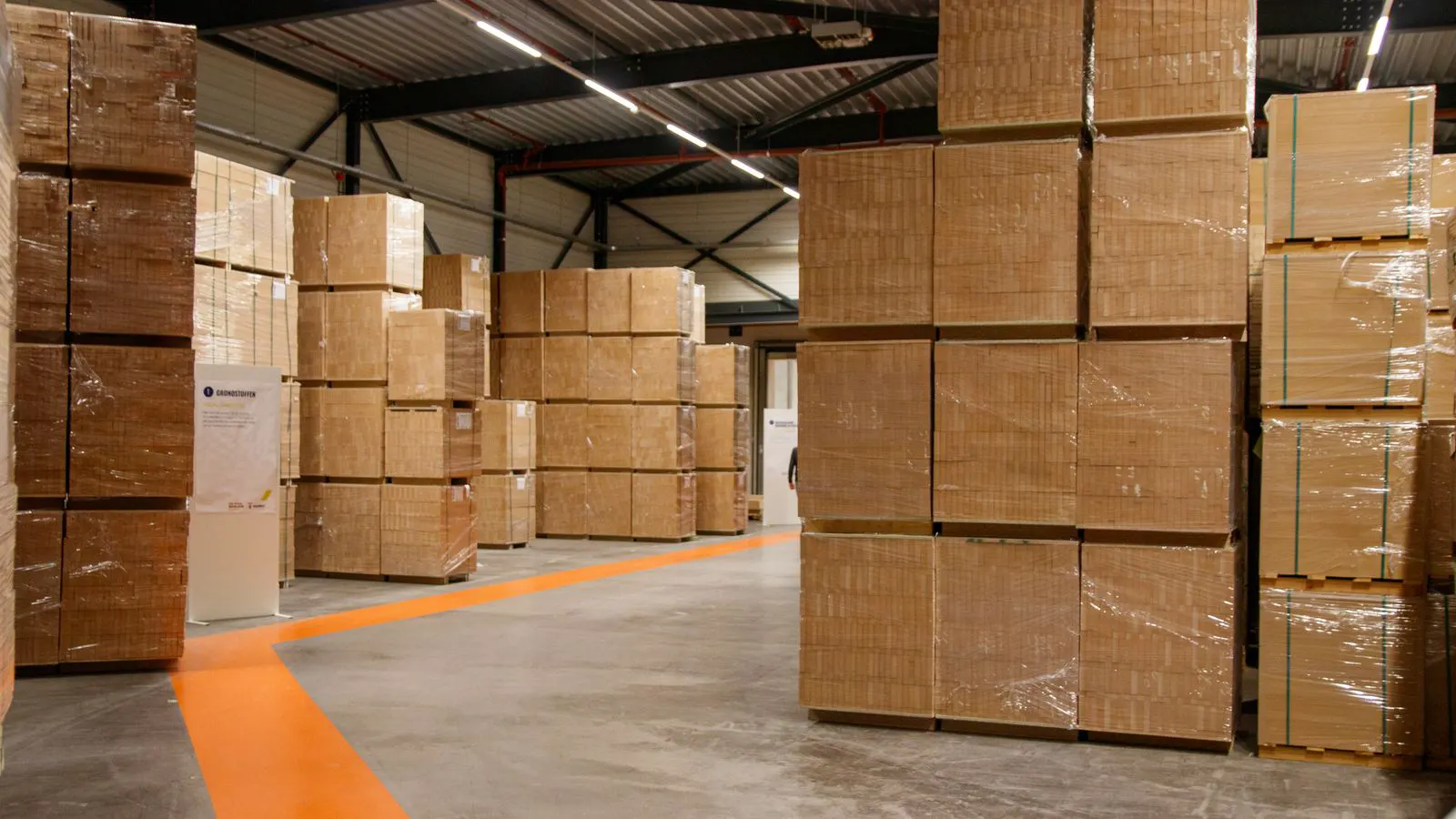
The best box types for heavy freight rely on double wall corrugated construction, reinforced corners, and high compressive strength. These features protect dense loads during industrial shipping. Choose based on weight limits, stacking needs, and transit conditions.
- Double wall corrugated boxes offer the highest cushioning and crush resistance for dense loads.
- Reinforced corners and bottom panels prevent weak points during heavy stacking.
- Match box dimensions to the load to avoid voids that shift weight during transit.
- Always verify the rated compressive strength against the actual weight of the freight.
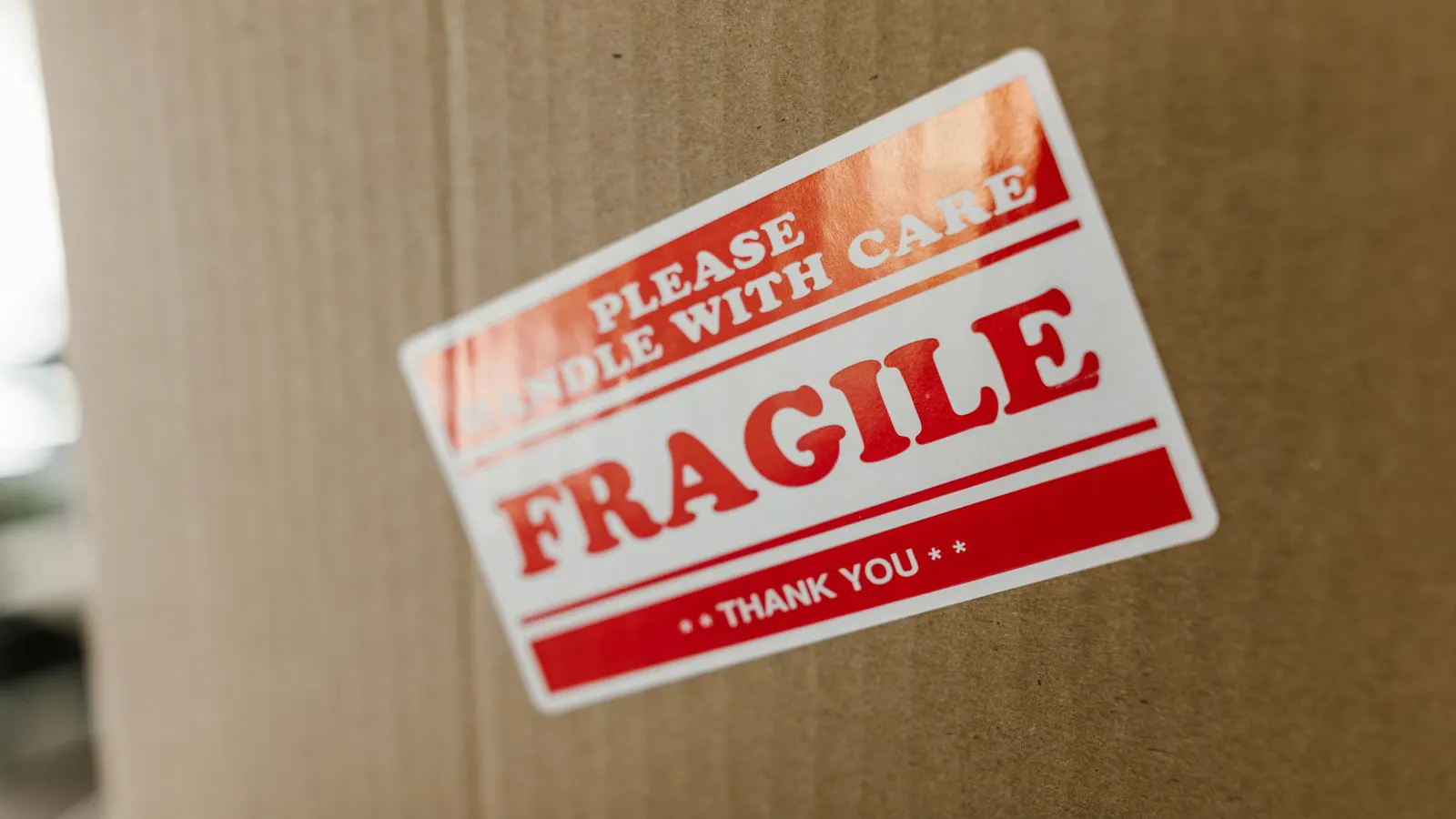
- Use protective labeling to indicate stacking limits and handling requirements.
What Makes a Box Suitable for Heavy Loads
Heavy freight boxes must handle weight, pressure, and impact without failing. A standard single wall box can split or collapse under dense weight. It may look fine in storage but fail during transit.
The core issue is structural integrity. The walls must resist crushing from the weight above. The bottom must distribute the load to the pallet or floor. The corners must resist shear forces during handling.
Engineers and buyers evaluate boxes based on three factors: wall thickness, board quality, and reinforcement. A box with thin walls but high board quality may hold more weight than a thick box with low quality board.
The right box type depends on the specific load. A pallet of dense metal parts needs different protection than a container of liquid bottles. The goal is to select a box that performs reliably under expected conditions.
Core Box Styles for Industrial Shipping
Several box styles are standard for heavy freight. Each has distinct strengths and limitations.
Double wall boxes use two layers of corrugated material. The flutes provide cushioning, and the double wall adds crush resistance. These boxes handle the highest weights per cubic foot. They are the default choice for dense industrial loads.
Triple wall boxes add a third layer. They are used for extremely heavy or fragile dense loads. The extra weight and cost make them less common. They appear in high value freight or long distance ocean shipping.
Single wall boxes with reinforcement can work for lighter heavy freight. Reinforced bottom panels add rigidity. Corner boards or tape can protect weak points. This option is cost effective for short hauls or lighter loads.
Palletized cartons are not a single box style but a system. Heavy freight often rides on pallets with multiple cartons. The pallet base must be rated for the total load. The cartons must be stacked in a way that distributes weight evenly.
Custom die cut boxes allow precise internal bracing. They fit the load tightly, preventing shift. They are more expensive but reduce damage from movement during transit.
Material Selection for High Weight Loads
The corrugated board grade determines box performance. Board quality is measured by compressive strength and edge crush strength.
Edge crush strength matters for stacking. The top of the box presses on the bottom. If the edge crush strength is low, the wall buckles. For heavy freight, buyers should look for high edge crush ratings in the double wall section.
Face liner quality affects durability. A thick face liner resists abrasion during handling. It also adds stiffness to the wall. For heavy loads, a heavier face liner helps the box maintain its shape under pressure.
Flute size influences crush resistance. Larger flutes provide more cushioning and higher compressive strength. They also increase weight. A box with larger flutes may be stronger but heavier, which raises shipping costs.
The board grade must match the load. A low grade board will fail quickly even in a double wall construction. Buyers should request board specifications from the supplier. Check the compressive strength rating against the expected load.
Structural Reinforcement Techniques
Reinforcement targets the weak points of a standard box. The corners, bottom, and top are the first to fail under heavy load.
Bottom reinforcement adds a second layer of board to the base. This prevents the bottom from sagging or tearing. It is standard for heavy freight boxes. Some boxes use a full bottom overlay, while others use corner gussets.
Corner reinforcement uses extra board at the vertical corners. These corners take the most stress during stacking and handling. Reinforced corners prevent the box from opening or collapsing at the edges.
Top reinforcement adds rigidity to the lid. This helps when the box is stacked. It also prevents the top from crushing if weight is placed directly on it.
Internal bracing uses dividers or supports inside the box. This keeps the load from shifting. It also distributes the weight across the box walls. For dense loads, internal bracing is critical to prevent local pressure points.
Tape reinforcement adds strength to the seams. Heavy duty tape can hold the box together under stress. It is not a substitute for strong board but helps prevent the box from splitting during handling.
Evaluating Box Performance: Criteria Table
Buyers need a clear way to compare box options. The table below lists key criteria for selecting heavy freight boxes.
| Criterion | What to look for | Why it matters |
|---|---|---|
| Wall Construction | Double or triple wall corrugated board | Higher crush resistance for dense loads and stacking |
| Edge Crush Strength | High rating for the specific board grade | Prevents buckling when boxes are stacked vertically |
| Bottom Reinforcement | Full overlay or reinforced corners | Distributes load and prevents base failure |
| Flute Size | Larger flutes for higher strength | Increases compressive strength and cushioning |
| Box Dimensions | Tight fit to the load | Reduces void space and prevents shifting |
| Load Rating | Rated compressive strength | Ensures the box can handle the actual weight |
| Board Quality | High quality face liner and medium | Resists abrasion and adds wall stiffness |
Practical Selection Guide for Buyers
Selecting the right box for heavy freight requires a step by step approach.
- Weigh the load accurately. Include the weight of the product and any internal packaging. Do not guess. The actual weight determines the required box strength.
- Measure the load dimensions. The box must fit the load with minimal void space. Excess space allows the load to shift, which creates stress points.
- Determine the stacking height. How many boxes will stack on top of each other? The top boxes experience the most compressive force. Calculate the total weight on the bottom box.
- Choose the wall construction. For most heavy freight, double wall boxes are sufficient. Use triple wall only for extreme weights or fragile dense loads.
- Select the board grade. Request boards with high edge crush strength. Match the flute size to the required strength.
- Add reinforcement. Reinforce the bottom and corners. Consider internal bracing for dense loads that might shift.
- Test the box. Run a compression test on a sample. Place the rated load on the box and check for failure. This confirms the box performs as expected.
- Verify handling requirements. Label the box with weight and stacking limits. This informs handlers and prevents misuse.
Common Mistakes to Avoid
Buyers often make errors that lead to box failure.
Underestimating the load weight. Adding packaging, tape, or pallets increases the total weight. The box rating must cover the total, not just the product.
Ignoring stacking limits. A box may hold the load weight but fail when stacked. Check the compressive strength rating against the stacking height.
Using the wrong flute size. Small flutes provide less crush resistance. For heavy loads, larger flutes are often necessary.
Neglecting bottom reinforcement. The bottom takes the most pressure. A weak bottom fails first, even if the walls are strong.
Allowing void space. If the load does not fill the box, it shifts during transit. This creates impact forces that exceed the design limit.
Final Decision Checklist
Use this checklist to confirm your selection for heavy freight boxes.
- The box is double wall or triple wall corrugated.
- The load weight is below the rated compressive strength.
- The bottom is reinforced or uses a high strength board.
- The corners are reinforced or gusseted.
- The flute size matches the required crush resistance.
- The box fits the load tightly with minimal void space.
- The board grade is suitable for the expected handling.
- The box is labeled with weight and stacking limits.
- A compression test has been performed on a sample.
- The box is compatible with the pallet and shipping method.
If you check all these items, your box selection is likely to perform well. Adjust the specifications if any item fails. The right heavy freight box protects the cargo and reduces costs from damage and rework.
Frequently asked questions
What is the strongest corrugated box for heavy freight?
Triple wall corrugated boxes are the strongest standard option. They provide the highest crush resistance for extremely heavy loads. Double wall boxes are sufficient for most heavy freight applications.
Do I need a pallet for heavy freight boxes?
A pallet is recommended for heavy loads. It provides a stable base and makes stacking easier. The pallet must be rated for the total weight of the boxes.
How do I know if a box will hold the weight?
Check the rated compressive strength of the box. This rating should be higher than the total weight of the load and any boxes stacked on top.
Can I use single wall boxes for heavy freight?
Single wall boxes are generally too weak for heavy loads. They may work for lighter heavy freight with reinforcement, but double wall boxes are the standard choice.
How does flute size affect box strength?
Larger flutes provide higher compressive strength and better cushioning. They also add weight to the box. Choose the flute size based on the required strength and shipping cost.