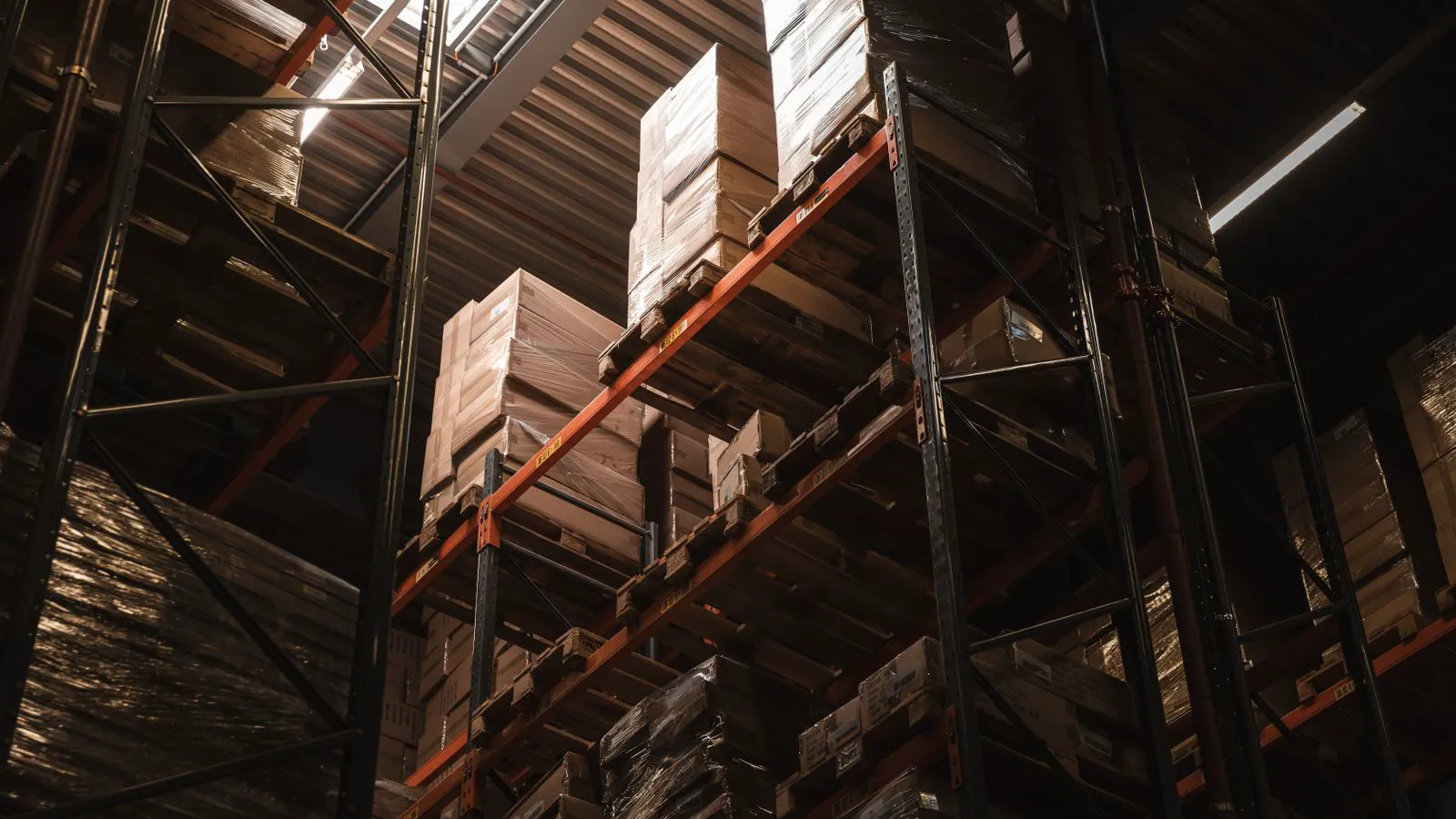
This checklist helps buyers verify that flute thickness and board grade meet international shipping durability requirements. It covers stack compression, edge crush, moisture resistance, and carrier specifications to prevent damage during export.
- Match flute size and board grade to the specific route and handling method, not just product weight.
- Verify ECT and EDC values against carrier stack load requirements before finalizing board selection.
- Check moisture resistance and liner type for routes with high humidity or sea freight exposure.
- Confirm flute selection against customer drop tests and edge crush tests before mass production.
- Review documentation and mill certificates to ensure board grades meet contractual specifications.
Why Flute Selection Fails in Export Packaging
Export packaging fails when flute selection ignores the specific stresses of the route. A box that survives a domestic warehouse drop test can collapse under ocean container stack loads or high-speed sortation. The flute and board grade must work together as a single structural unit.
This checklist covers the core technical checks for flute selection. It is built for buyers and engineers verifying that a proposed corrugated structure meets international shipping durability requirements. Use it to audit supplier specifications, mill certificates, and test data before releasing production orders.
Structural Checks for Flute Selection
1. Verify Flute Size Against Weight and Stack Load
Flute size determines the box edge crush strength and stack compression behavior. Small flutes like G and E offer good edge crush and dimensional stability but limited stack capacity. Larger flutes like B and C provide more stacking depth but reduce edge crush strength.
Check the flute size against the gross weight of the finished box and the expected stack height. A box carrying 20 kilograms may work on a B flute, but a lightweight box in a high stack may need C or B for compression resistance. Match the flute to the stack load, not just the product weight.
2. Confirm Board Grade ECT and EDC Values
Board grade sets the baseline for the corrugated structure. Higher grades like ABC or BDC provide stronger linear boards with better ECT and EDC values. Lower grades like BAC or CAC trade some linear strength for cost savings.
For flute selection, verify the ECT and EDC of the face liner and middle liner. These values drive edge crush strength. A B flute with a C face liner performs differently than a B flute with an A face liner. Request mill test data showing measured ECT and EDC, not just grade labels.
3. Check Moisture Resistance and Liner Type
Export routes expose boxes to humidity, condensation, and salt air. Standard kraft liner loses strength when wet. For routes with high moisture risk, verify the liner type and moisture resistance of the corrugated board.
Check for moisture resistant or waxed liner options where needed. For sea freight, verify that the board specification includes moisture protection. A standard C flute box may hold up in a dry warehouse but fail after a humid ocean crossing.
4. Review Flute Types for Dimensional Stability
Flute types include E, B, C, D, and G. Each flute size has different crush behavior and dimensional stability. Smaller flutes resist compression better but offer less stacking depth. Larger flutes allow deeper stacking but crush more easily under point loads.
For export packaging, verify that the selected flute type maintains dimensional stability under the expected handling. A box that swells or collapses in width after a container stack load will fail customer acceptance. Check the flute profile for the specific route.
5. Verify Flute Selection Against Carrier Requirements
Carriers and forwarders often specify minimum flute sizes or ECT values for international shipments. Some lanes require higher ECT for high-speed sortation. Others require specific board grades for ocean freight.
Review the carrier specification sheet for the destination lane. Confirm that the proposed flute selection meets or exceeds the stated minimums. A box that meets domestic carrier rules may fail international carrier requirements.
Practical Audit Items for Export Packaging
6. Cross-Reference Flute Selection with Product Weight
The product weight drives the required box strength. A 5 kilogram product may work on an E flute, but a 25 kilogram product may need a C or B flute with a stronger board.
Calculate the gross weight including packaging. Verify that the flute selection supports the weight under the expected stack configuration. If the product is heavy and fragile, increase the flute size or board grade to reduce crush risk.
7. Check Drop and Compression Test Data
Request test data for the proposed flute selection. Look for drop test results and edge crush test results that match the export conditions.
A drop test from 1 meter on a concrete floor simulates warehouse handling. An edge crush test shows how the box handles stack loads. Verify that the test data matches the route conditions. If the route includes high-speed sortation, request additional impact test data.
8. Verify Board Grade Against Mill Certificates
Board grade names can be confusing. A B flute on a B board is not the same as a B flute on an A board. Verify the exact board grade from the mill certificate.
Check that the mill certificate matches the specification sheet. A mismatch here is a red flag. If the certificate shows a different board grade than the purchase order, stop and resolve the discrepancy before production.
Flute Size and Board Grade Trade-Offs
| Flute Size | Typical Board Grade | Best For | Watch For |
|---|---|---|---|
| E | A or B | Lightweight products, short distances | Limited stack depth, low compression resistance |
| B | B or C | Mid-weight products, standard stacks | Higher cost than E, moderate crush resistance |
| C | A or B | Heavy products, long stack heights | Lower edge crush than E, higher stack capacity |
| D | A or B | High stack loads, heavy contents | Bulky, harder to stack in tight containers |
| G | B or C | Very lightweight products | Lowest stack capacity, fragile under impact |
Red Flags in Flute Selection
9. Specification Mismatches
A red flag appears when the purchase order board grade differs from the mill certificate. This mismatch causes weak boxes that fail in transit. Verify that the specification sheet, purchase order, and mill certificate all match.
10. Missing Test Data
If the supplier cannot provide drop test or edge crush test data, the flute selection is unverified. Do not approve production without test data that matches the export conditions.
11. Generic Board Grade Labels
A specification that says “standard board” without naming the grade is incomplete. For export packaging, verify the exact board grade and flute size. Generic labels hide quality variations.
12. No Moisture Protection for Wet Routes
If the route includes ocean freight or high humidity, verify moisture protection. A standard kraft liner will lose strength in humid conditions. Check the liner type and moisture resistance specification.
Final Verification Steps for Export Packaging
13. Confirm Flute Selection with the Customer
The customer may have specific requirements for export packaging. Verify that the selected flute meets their acceptance criteria. A box that passes your internal tests may fail the customer’s drop test.
14. Review Documentation Before Production
Before releasing the production order, review all documents. The purchase order, mill certificate, specification sheet, and test data must all align. A mismatch in any document can cause weak boxes and shipping failures.
15. Monitor First Production Runs
Inspect the first production run for flute consistency and board quality. Check that the flute size and board grade match the specification. If the first run shows weak edges or poor flute formation, stop production and investigate.
When to Escalate Flute Selection Decisions
Escalate when the product weight, route conditions, and board availability do not align. If the required flute size is not available from the mill, consider alternative board grades or flute profiles. A substitute may not meet the export durability requirements.
Contact the mill and carrier to verify alternatives. Do not approve a substitute without test data that matches the export conditions. The goal is a box that survives the route, not just a box that meets the minimum weight.
How to Document Flute Selection Decisions
Record the flute selection decision in the production file. Include the product weight, route conditions, board grade, flute size, and test data. This documentation protects the buyer if the box fails in transit.
A complete record shows that the flute selection was verified against international shipping durability requirements. It also helps future orders by providing a baseline for comparison.
Common Mistakes in Flute Selection
One mistake is selecting the flute based on product weight alone. Another mistake is ignoring the route conditions. A box that works in a dry warehouse will not work in a humid container.
Another mistake is using generic board grades without verifying ECT and EDC values. Grade labels do not guarantee performance. Test data does.
A final mistake is skipping the customer verification step. The customer’s acceptance criteria may be stricter than the carrier requirements. Verify the flute selection against both.
Summary of Flute Selection Requirements
Flute selection for export packaging requires verification of flute size, board grade, moisture resistance, and test data. The flute and board must work together to meet stack load, impact, and humidity requirements.
Use this checklist to audit supplier specifications and verify that the chosen structure meets international shipping durability requirements. A verified flute selection reduces shipping damage and protects the brand.
Frequently asked questions
What flute size is best for export boxes?
There is no single best flute size. The right flute depends on product weight, stack height, route humidity, and carrier requirements. Match the flute to the specific export conditions.
How do I verify board grade for export packaging?
Request the mill certificate and compare it to the purchase order specification. Verify the ECT and EDC values from test data, not just the grade label.
Do all export routes need moisture resistant liner?
Not all routes require it, but ocean freight and high humidity lanes do. Check the route conditions and verify moisture protection in the specification.
What test data should I request for flute selection?
Request drop test data and edge crush test data that match the export conditions. For high-speed sortation, request additional impact test data.
Can I use a cheaper board grade for export boxes?
Only if the test data shows it meets the export durability requirements. A lower grade may fail under stack loads or moisture. Verify before approving.