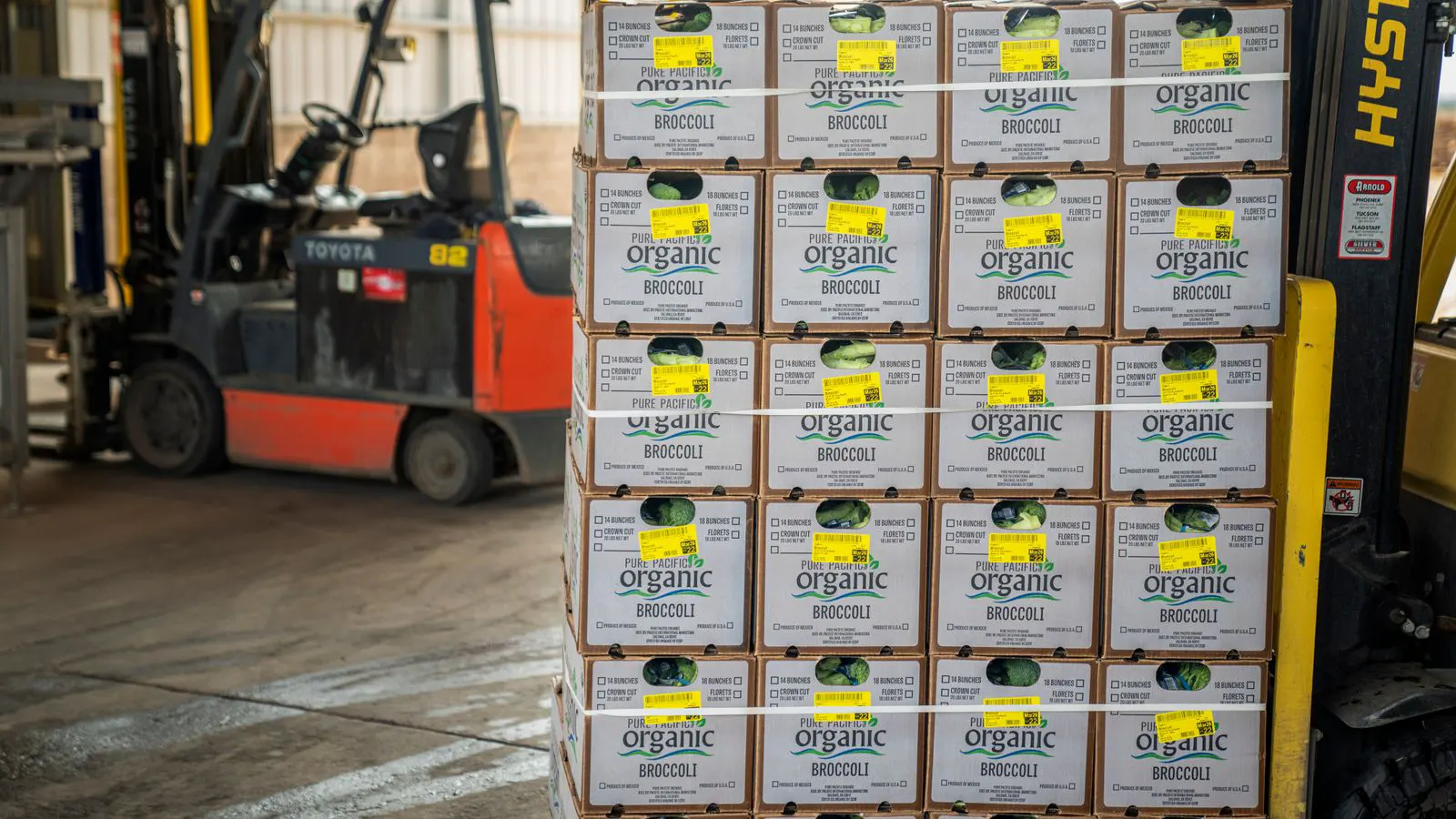
Verify packaging standards by matching box specifications to destination regulations, confirming material compliance, and validating transport durability. This process ensures import compliance and protects your sustainable packaging investments from rejection at borders.
- Match box construction to destination market requirements before shipping.
- Document material composition and recycling status for regulatory audits.
- Test structural performance under conditions typical of your route.
- Keep digital and physical records for customs and client verification.
- Review standards annually as import compliance rules shift across regions.
Why Standards Vary by Destination
Export packaging fails for a specific reason: the box was built for one market but shipped to another. A carton that meets domestic weight limits may not survive the humidity in Southeast Asia. A box with high recycled content may be rejected in a region that still mandates virgin fiber for certain product classes.
Before you commit to a shipment, you need a clear map of which rules apply to your route. This usually involves three layers. The first is the destination import regulations. The second is the carrier or logistics partner requirements. The third is the customer specification sheet. These three sources often conflict.
The buyer often assumes that meeting domestic standards is enough. It is not. Standards for packaging differ significantly between jurisdictions. Some focus on structural integrity. Others emphasize environmental impact. A few require specific labeling or material certifications. Ignoring these differences leads to rejected shipments, damaged goods, and penalties at the border.
Prerequisites: What You Need Before Verification
You cannot verify packaging standards without the right data. Gather these items before you start the process.
- Destination country regulations. Check the official trade or customs website for the specific product category.
- Customer specification document. This should list required box dimensions, edge crush strength, and material constraints.
- Material bill of lading. A detailed breakdown of fiber types, recycled content, and adhesives used.
- Transport route profile. The typical climate, handling methods, and stacking conditions along the journey.
- Previous test reports. If you have done drop tests or compression tests, keep the results on file.
Without these, you are guessing. Guessing fails in export logistics.
Step 1: Map the Regulatory Requirements
Start with the destination. Identify the specific legal requirements for packaging. Some countries require packaging to be made from approved materials. Others mandate specific labeling for recyclability or hazardous contents.
Read the regulations carefully. Look for terms like “mandatory,” “required,” and “prohibited.” These are your hard constraints. If a regulation says a box cannot contain more than a certain percentage of non-recyclable material, you must verify your current stock meets that limit.
This step takes time. Do not skip it. The penalty for missing a regulatory requirement is usually much higher than the cost of re-engineering the box.
Step 2: Confirm Material Compliance
Next, look at the physical composition of the carton. Check the liner paper, the corrugated fluting, and the adhesives. Each component has its own rules.
Recycled content is a major factor in many markets. Some regions require a minimum percentage of post-consumer waste in the fiber stream. Others restrict the use of certain inks or coatings because they interfere with recycling.
Use your material bill of lading to verify each component. If your supplier cannot provide a detailed breakdown, request it immediately. Vague answers are a red flag. You need specific data points to prove compliance.
Step 3: Verify Structural Performance
A box that meets material rules can still fail if it is too weak. Check the edge crush strength and burst strength against your transport profile.
Heavier goods need stronger fluting. Humid climates weaken the paper over time. Long distances increase vibration. Match the box specification to the worst-case scenario in your route.
If you have not tested your boxes recently, run a compression test. Place the box on a standard testing platform and apply pressure until it fails. Compare the result to the required minimum. If it falls short, increase the fluting thickness or change the liner paper grade.
Step 4: Check Labeling and Marking
Many import regulations require specific markings on the box. This includes country of origin, material identification, and handling symbols.
Check the destination rules for required symbols. Some markets require a recycling symbol. Others require a specific barcode format. Missing a label can cause a shipment to be held at customs.
Print the labels clearly. Use high-contrast ink. Make sure the text is legible even if the box is slightly damaged. Do not rely on digital records if the physical marking is required by law.
Step 5: Align with Customer Specifications
The customer often has stricter requirements than the law. Their specification sheet is your contract. Read it word for word.
Look for hidden constraints. Some customers require specific box sizes to fit their automated sorting lines. Others require no plastic tape. Others demand a specific type of closure.
If your current box does not meet the customer spec, you have a problem. You must either change the box or negotiate with the customer. Do not assume that “close enough” will be accepted. It rarely is.
Step 6: Document Everything
Verification is not just about the box. It is about the paper trail.
Create a compliance file for each shipment. Include the regulatory requirements, the material breakdown, the test results, and the labeling confirmation. Store this file digitally and keep a physical copy.
Customs officers and auditors may request this documentation. If you have to find it quickly, you will be frustrated. Keep it organized. Use a consistent naming convention.
Step 7: Conduct a Final Pre-Shipment Audit
Before the truck leaves the dock, do a final check.
Pull a random sample from the shipment. Inspect the boxes for damage, labeling errors, and material inconsistencies. Compare the sample to your compliance file.
If everything matches, the shipment is ready. If you find a discrepancy, stop the shipment. Fix the problem. Do not ship it and hope for the best.
Common Mistakes in Export Verification
Buyers make the same errors every year.
Assuming domestic rules apply. This is the biggest mistake. Domestic standards are not export standards.
Ignoring climate impact. A box that works in a dry warehouse may fail in a humid port. Humidity changes the strength of paper.
Skipping the material bill of lading. Without this document, you cannot prove your box meets material requirements.
Relying on verbal assurances. Suppliers may say a box meets standards. You need written proof.
Neglecting customer specs. The law is the floor. The customer spec is the ceiling. You must meet both.
Verification Checklist Table
| Check Item | What to Verify | Source of Truth |
|---|---|---|
| Regulatory Compliance | Material limits, labeling rules | Destination customs website |
| Structural Strength | Edge crush, burst strength | Internal test report |
| Material Composition | Recycled content, fiber type | Supplier bill of lading |
| Labeling Accuracy | Origin, symbols, barcodes | Customer specification sheet |
| Transport Profile | Humidity, vibration, stacking | Logistics partner data |
Final Verification Step
After you have completed the seven steps, perform a final verification.
Pick one box from the shipment. Check it against every item in your compliance file. Does it meet the regulatory requirements? Does it meet the customer spec? Does it have the correct labels?
If you can answer yes to every question, the box is verified.
If you answer no to any question, the box is not ready. Do not ship it. Fix the issue, re-test, and verify again.
This final step takes ten minutes. It saves you from a rejected shipment and a costly delay.
Keeping Standards Current
Packaging standards change. Import compliance rules shift. Sustainable packaging requirements evolve.
Review your verification process every year. Check for updates in regulations. Talk to your suppliers about material changes.
Do not assume that last year’s box will work this year. The rules may have tightened. The climate may have changed. Your customer may have updated their spec.
Stay active. Stay informed. Verification is not a one-time task. It is an ongoing practice.
The Cost of Failure
A rejected shipment is expensive. You pay for the box. You pay for the shipping. You pay for the storage. You pay for the delay.
Worse, it damages your reputation. Customers trust suppliers who deliver on time and in good condition. If your boxes fail at the border, you lose that trust.
The cost of verification is small. The cost of failure is large. Do the work. Verify your packaging standards. Ship with confidence.
Next Steps for Your Team
- Assign a single owner for export packaging verification.
- Create a digital folder for all compliance documents.
- Schedule annual reviews of regulations and customer specs.
- Train your warehouse staff on the verification checklist.
- Maintain a list of approved suppliers who provide detailed material data.
These steps will build a reliable process. They will prevent errors. They will protect your brand.
Start today. Pull your last shipment. Check it against the rules. See where you stand. Then fix what needs fixing.
Export packaging is a discipline. Treat it with respect. Verify your standards. Move forward.
Frequently asked questions
How often should I verify my packaging standards?
Verify before every major shipment and review your process annually. Regulations change, and customer specifications are updated frequently.
What if my supplier cannot provide a material bill of lading?
Do not ship the product. Request the document from your supplier. If they cannot provide it, consider switching to a supplier who can.
Are domestic packaging standards enough for export?
No. Domestic standards do not cover all international requirements. You must check the specific regulations of your destination country.
How do I handle humidity in my transport route?
Test your boxes in humid conditions. Use higher strength fluting or add a moisture barrier if the route is humid.
Do I need to keep physical copies of my compliance documents?
Digital copies are usually accepted, but keep a physical copy for quick reference. Some customs officers prefer paper documents.