Lower packaging cost by optimizing material thickness, box construction, and print methods. Review cost drivers before quoting to ensure structural performance remains intact while cutting per-unit spend.
- Right-size the flute thickness and box construction to match the actual load, not the worst-case scenario.
- Reduce material waste by aligning box dimensions with the product shape and standard pallet patterns.
- Use single-color or no-print finishes to lower conversion costs without affecting strength.
- Negotiate annual volume commitments to secure better pricing from your corrugated converter.
Identify the real cost drivers
Packaging cost is rarely driven by the raw paper alone. A high-performing box can cost more than a weak one, but the difference usually lies in material grade, box style, and finishing. Before cutting spend, break the quote into components.
The three biggest variables are the board flue size, the construction type, and the print process. A double-wall box with a thick flute protects heavy goods, but it uses more fiber. A single-wall box with a smaller flute moves light items well and costs less. If you are shipping small, lightweight products in oversized boxes, you are paying for air.
The second cost driver is the box style. A standard open-top box is cheaper to convert than a tuck-end box because it uses less material and simpler die-cutting. If your product is lightweight and does not need a full lid, switch to an open-top or a simple fold. This reduces the paper used and shortens the machine run.
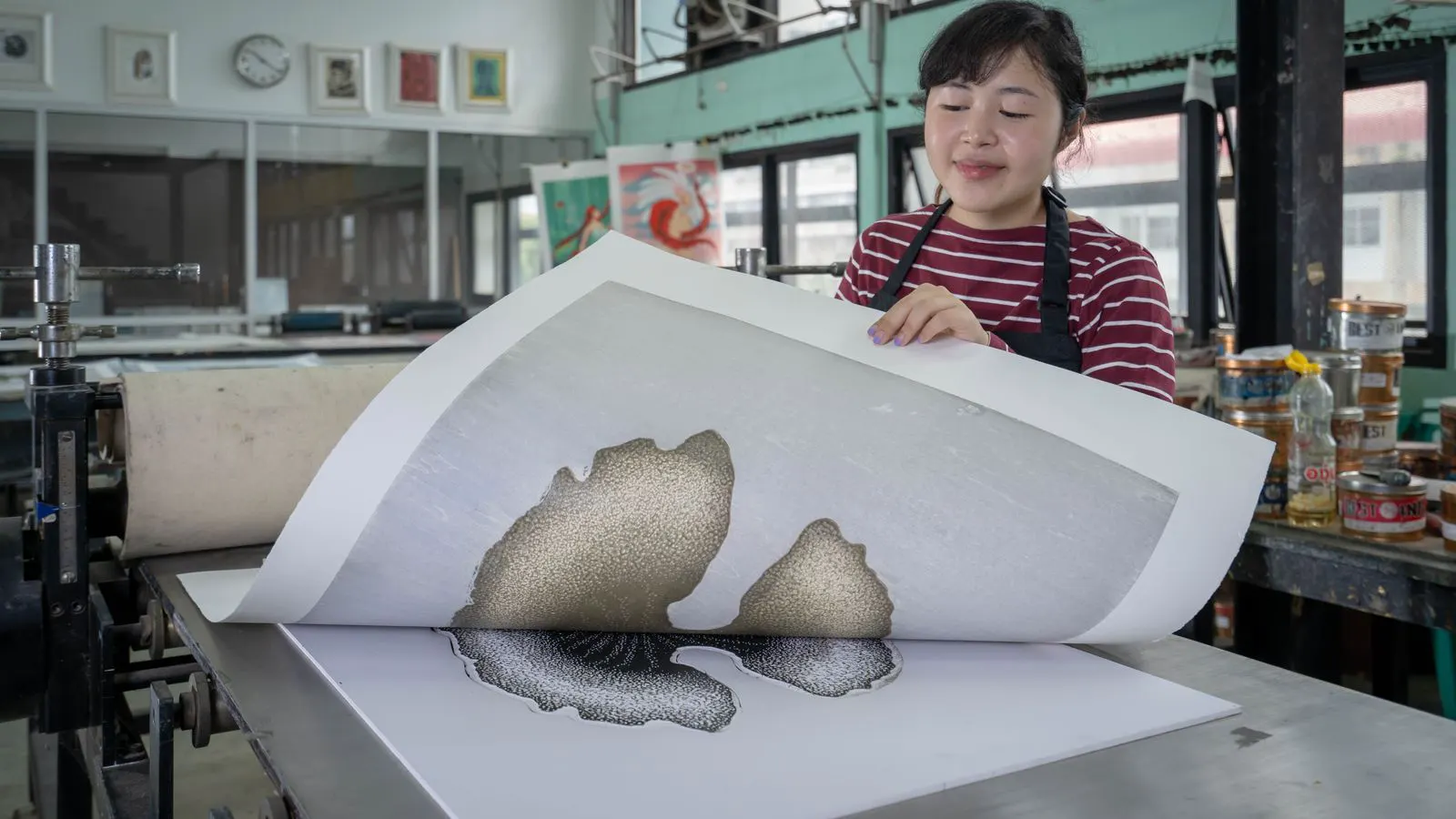
The third driver is print. Full-color printing on corrugated is expensive. It requires special inks and slower presses. If your brand identity does not demand it, use a single color, a stamp, or no print at all. The box itself is the packaging. The box does not need to be a billboard.
Right-size the material
Do not use the thickest board available. Use the thickest board you need for the specific load. Engineers often over-specify to avoid risk, but this wastes money.
Start with the weight of the product. Add a safety margin for handling, stacking, and transport. If a product weighs five kilograms and the box will stack two high, a medium-thickness single-wall board may be enough. If the product weighs twenty kilograms and the box will stack five high, you need a heavier board.
The flute size matters too. A smaller flute is thinner and lighter. A larger flute is thicker and stronger. For most general shipping, a medium flute is the standard. For heavy goods, a large flute or double-wall construction is better. For very light items, a small flute works well.
Check the board grade. A standard E-flute is good for retail display. A B-flute is better for shipping. A C-flute or larger is for heavy loads. Do not mix grades randomly. Use the grade that matches the load. If you are unsure, ask your converter to run a simple compression test on a prototype. The test is cheap. A failed shipment is not.
Optimize the box design
The shape of the box affects cost in two ways. It affects the amount of paper used, and it affects how many boxes fit on a pallet or in a truck.
If your product is rectangular, use a rectangular box. If your product is cylindrical, consider a custom-shaped box or a mailer that hugs the shape. A square box around a round product wastes paper. A custom die cuts closer to the product and uses less material.
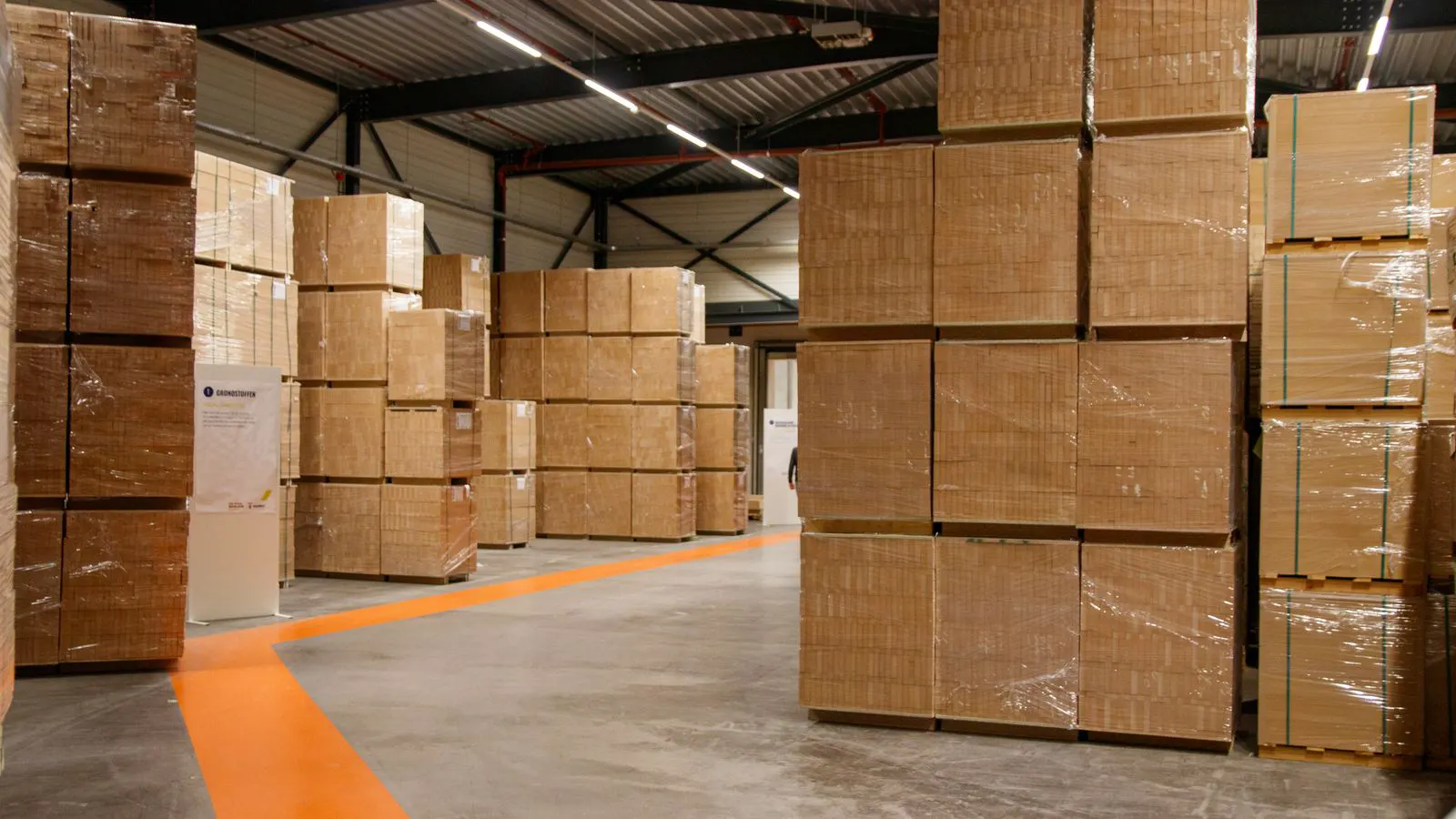
The next step is to fit the box to the pallet. A standard pallet is 120 by 80 centimeters. If your box is 40 by 30 centimeters, six boxes fit on one pallet. If your box is 35 by 25 centimeters, the same six boxes may not fit neatly. You might need to use a different pallet or leave empty space. Empty space is paid freight.
Align your box dimensions with the pallet. Work backward from the pallet size. If the pallet is 120 by 80, and you want six boxes, the box should be 40 by 30. If you want eight boxes, the box should be 30 by 25. This simple math saves money on freight and warehouse space.
The last design step is to reduce the number of pieces. A box made from two flaps and a base is cheaper than a box made from six pieces. If your product does not need a full lid, remove the lid. If the product does not need a handle, remove the handle. Every piece of paper is a cost.
Use the right printing method
Print is a common place where companies overspend. They want to look professional, but they do not need to spend on full color.
For most B2B and industrial shipping, no print is the best option. The brown board is standard. It is recognizable. It is cheap. If you need a brand name, use a single-color stamp. A black or red stamp is fast and inexpensive. It does not affect the strength of the box.
If you must print, use the minimum number of colors. Two colors is better than four. Four colors is better than eight. The more colors, the slower the press. The slower the press, the higher the cost per unit.
The print area also matters. Printing on the entire surface is expensive. Printing on one side, or a small logo on the top, is cheaper. Ask your converter for a layout that uses the least amount of ink. The box does not need to be covered in ink to be professional.
Negotiate with the supplier
The supplier relationship affects your cost. Do not just buy the cheapest quote. Look at the total cost of ownership.
A supplier who charges a lower price per box may have a high minimum order quantity. If you only need 500 boxes, a low-price supplier with a 1000-box minimum will cost you more. A supplier who charges a higher price per box may accept 500 boxes and still be cheaper in total.
Ask for a price break for annual volume. If you buy 100,000 boxes a year, you should get a lower price per unit. If you buy 10,000 boxes a year, you should get a higher price per unit. This is normal.
The supplier’s location matters too. A supplier close to you has lower freight costs. A supplier far away has higher freight costs. If a supplier is 50 kilometers away, freight is cheap. If a supplier is 500 kilometers away, freight is expensive. Factor freight into the per-unit cost.
The supplier’s capacity matters too. A supplier who is fully booked may rush your order. A rushed order costs more. A supplier with open capacity may give you a standard price. Check their lead time before you sign a contract.
Build a cost review process
Do not review packaging cost once a year. Review it every quarter.
Keep a simple spreadsheet. List the current box, the current price, and the volume. When the market changes, the price changes. When your product changes, the box changes. Update the spreadsheet.
The quarterly review should answer three questions. Is the box still the right size? Is the material still the right grade? Is the print still the right method? If the answer to any of these is no, make the change.
The review should also look at waste. If your boxes are being cut and discarded, you are paying for them. If your boxes are being crushed in transit, you are losing product. Track these numbers. They are real costs.
The final step is to document the decision. Write down why you chose the current box. Write down the load, the stack height, and the transport method. If the product changes in two years, you will not have to guess. You will have the data.
Criteria table for evaluating cost
| Criterion | What to look for | Why it matters |
|---|---|---|
| Material grade | Match the flute and board thickness to the actual load | Prevents over-spending on unnecessary strength |
| Box style | Choose the simplest style that fits the product | Reduces paper use and conversion time |
| Print method | Use no print or single-color for most B2B shipping | Lowers press costs and run times |
| Pallet fit | Align box dimensions to standard pallet sizes | Reduces empty space and freight cost |
| Supplier terms | Check minimum order quantity and freight distance | Avoids hidden costs in low-volume orders |
Decision checklist
- Confirm the product weight and stack height.
- Select the minimum board flute that meets the load requirement.
- Choose the simplest box style that protects the product.
- Align box dimensions to the standard pallet size.
- Select no print or single-color print for most applications.
- Get quotes from at least two suppliers.
- Calculate the total cost including freight and minimum order fees.
- Document the decision in a simple cost review log.
Frequently asked questions
Can I use a smaller box to save money?
Yes, if the product fits. A smaller box uses less paper and takes up less space on a pallet. Make sure the product is not crushed by the walls.
Is double-wall always stronger than single-wall?
Generally, yes. Double-wall is thicker and handles higher loads. But if your product is light, double-wall is overkill. You are paying for strength you do not need.
Does printing affect the box strength?
No. Print does not change the structural properties of the board. It only adds cost. You can print or not print without changing the strength.
How do I know if my current box is too big?
Measure the product and the box. If there is more than a few centimeters of empty space on each side, the box is likely too big. Try a smaller size and test it in transit.
Can I get a lower price by ordering more?
Yes, usually. Most suppliers offer volume discounts. If you can consolidate your orders, you can get a lower per-unit price. This is a common way to reduce packaging cost.